
Afghan officials say Pakistani strikes killed 36 civilians
Pakistan said it hit militant positions after attacks at home, while Afghanistan condemned the cross-border operation and warned of retaliation.
By James Whitfield · Staff Writer
3 min read
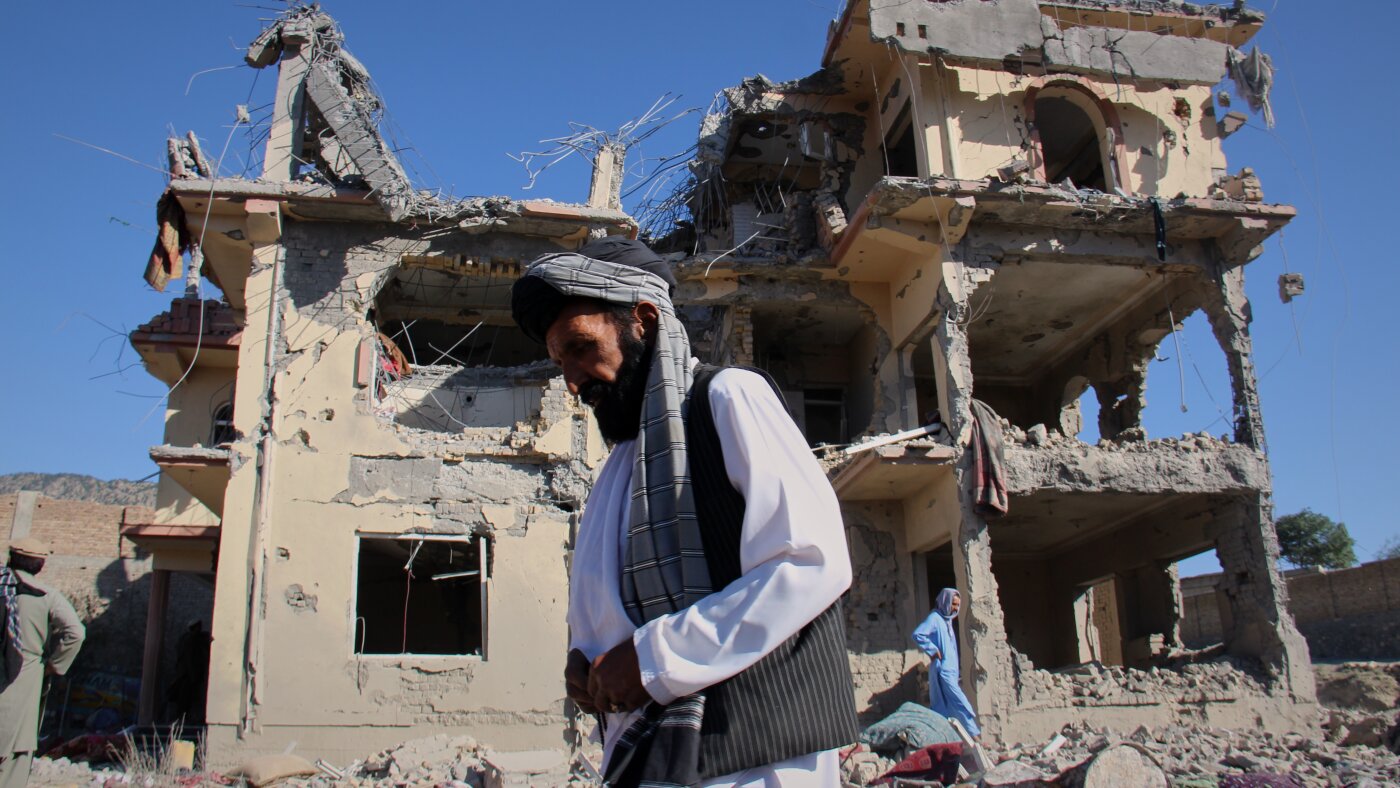
Pakistani strikes and a border ground operation killed at least 36 civilians in Afghanistan and wounded more than 160 others overnight, Afghan officials said Monday. The reported deaths mark a sharp escalation between Pakistan and Afghanistan, which have traded fire repeatedly this year.
Pakistan said its forces were responding to militant attacks inside Pakistan. Information Minister Attaullah Tarar said Pakistani security forces conducted a ground operation late Sunday along the border and then struck militant hideouts and safe havens, killing 29 fighters.
Afghanistan’s Taliban government condemned the attacks in Paktia, Paktika and Kunar provinces. Hayatullah Mohajer Farahi, deputy minister for publications at Afghanistan’s Ministry of Information and Culture, said Afghanistan would respond “in due time.”
Hamdullah Fitrat, deputy spokesperson for the Taliban government, said Pakistani forces first hit a house in Chamkani district in Paktia province, killing an older man and a child and wounding relatives. Fitrat said a second strike hit after villagers gathered to help, killing 28 people and wounding 158.
Fitrat said another home was struck in Giyan district of Paktika province, killing six people, most of them women and children. He said a civilian home in Kunar province was also hit, causing no human casualties but killing about 30 livestock.
Diplomatic protests follow the attacks
Afghanistan and Pakistan each summoned the other country’s top diplomat Monday. Zia Ahmad Takal, deputy spokesperson for Afghanistan’s Foreign Ministry, accused Islamabad of repeatedly blaming Afghanistan for attacks inside Pakistan without credible evidence.
Pakistan’s Foreign Ministry said it summoned Afghanistan’s top diplomat in Islamabad to protest what it described as Afghan nationals’ involvement in recent attacks, including a weekend assault in Karachi. Pakistani officials said the border was relatively calm Monday, while security forces remained on high alert.
Pakistan has blamed the Pakistani Taliban, known as the TTP, and allied groups for a rise in attacks on police and security forces in recent years. The Pakistani Taliban are separate from the Afghan Taliban, though the groups are allied.
Tarar posted three videos on X that he said showed strikes on camps and safe havens used by Jamaat-ul-Ahrar and Fitna al-Khawarij in Paktia, Paktika and Kunar. He said the operation killed “terrorists” and destroyed weapons and ammunition stores.
Pakistan uses the term “Khawarij” for Pakistani Taliban and other militants it says are backed by India. Jamaat-ul-Ahrar is a breakaway faction of the Pakistani Taliban.
India rejected Pakistan’s allegation. Foreign Ministry spokesperson Randhir Jaiswal called the claims “baseless allegations” and said Pakistan should act against militant infrastructure on its own territory.
Karachi attack preceded the operation
The Pakistani operation followed an attack on the regional headquarters of the paramilitary Rangers in Karachi that killed three soldiers. Pakistani security forces killed three attackers and arrested another person, whom the military identified as a wounded Afghan national.
Jamaat-ul-Ahrar claimed responsibility for the Karachi attack. Pakistani police later released a statement attributed to the wounded Afghan detainee saying the attack had been planned by Jamaat-ul-Ahrar, though it was not clear whether the statement was made under duress.
Sunday’s strikes came less than three weeks after Pakistan said it hit militant hideouts in Afghanistan. The latest fighting followed about a month of relative calm after Islamabad had described the conflict with Afghanistan as an “open war.”
Several rounds of talks have failed to produce a lasting ceasefire. China hosted both sides in April and later said Pakistan and Afghanistan had agreed to avoid escalation and look for a solution.
This story draws on original reporting from NPR.