
Court says Trump may remove FTC commissioners
The 6-3 decision overturns a 1935 precedent that limited presidential power over independent agency commissioners.
By Maya Lindqvist · Senior Technology Correspondent
3 min read
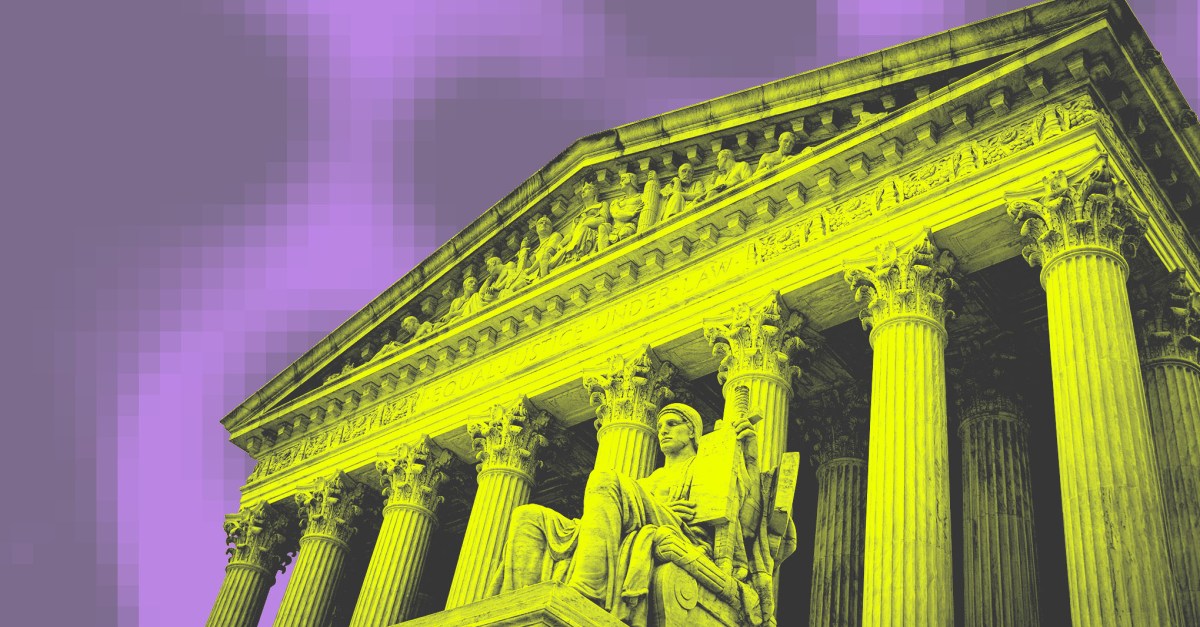
The Supreme Court ruled that President Donald Trump had the power to remove two Democratic members of the Federal Trade Commission, a decision that puts the agency more directly under White House control. The 6-3 ruling in Slaughter v. Trump matters because it overturns a long-standing limit on presidential removal power at independent agencies.
The case centered on Trump’s firing of FTC commissioners Rebecca Kelly Slaughter and Alvaro Bedoya. According to the court, the president may dismiss commissioners who exercise executive power, despite earlier precedent that had protected some independent agency officials from removal except for cause.
Precedent from 1935 falls
The majority opinion, delivered by Chief Justice John Roberts, rejected the framework set by the Supreme Court’s 1935 decision in Humphrey’s Executor. That earlier ruling had held that commissioners at independent agencies could be insulated from at-will presidential firing.
Roberts wrote in the court’s syllabus that Congress and the courts may not force a president to work with executive-branch subordinates he cannot accept, even though the Senate decides whether to confirm nominees. The syllabus said officials who exercise presidential power are subject to presidential removal, tying that authority to political accountability.
The majority also said the Humphrey’s Executor framework had failed over time and rejected the idea that independent agencies are free of presidential authority. The decision reflects the unitary executive theory, a legal view whose supporters argue that the president holds ultimate authority over the executive branch.
Dissent warns of expanded presidential power
Justice Sonia Sotomayor dissented, saying the ruling alters the structure of the federal government. In her dissent, she wrote that the president now holds “far greater power than ever before” and said that power was not granted by the people, Congress or the Constitution.
Sotomayor said the court had upended precedent, misread history and abandoned judicial restraint. The dissent framed the decision as a broad shift away from the independence Congress had given certain regulatory agencies.
The ruling is likely to affect agencies long treated as independent from direct presidential control, including the Federal Communications Commission, Federal Election Commission, National Labor Relations Board and National Transportation Safety Board, according to The Verge.
Federal Reserve treated differently for now
In a separate 5-4 order, the Supreme Court said Trump could not remove Federal Reserve member Lisa Cook for now. The court said Congress allowed removal from the Federal Reserve only “for cause.”
The Slaughter decision pointed to the Federal Reserve as an agency that may not be subject to the same level of presidential control as the FTC. That distinction leaves the Fed’s status unresolved beyond the court’s temporary ruling in Cook’s case.
The immediate practical effect at the FTC may be limited. The Verge reported that Slaughter and Bedoya had mostly been blocked from returning to the commission while the litigation proceeded, and that Bedoya later formally resigned to take another job.
FTC Chair Andrew Ferguson, a Republican, has described the agency as the “Trump-Vance Commission,” according to The Verge. The outlet also reported that Ferguson told staff to stop referring to the FTC as independent in legal complaints.
This story draws on original reporting from The Verge.