
World Cup streaming sets records in the US and abroad
The 2026 tournament is drawing record online audiences, with Telemundo, Tubi, YouTube, the BBC and South Korean platforms all posting milestones.
By James Whitfield · Staff Writer
2 min read
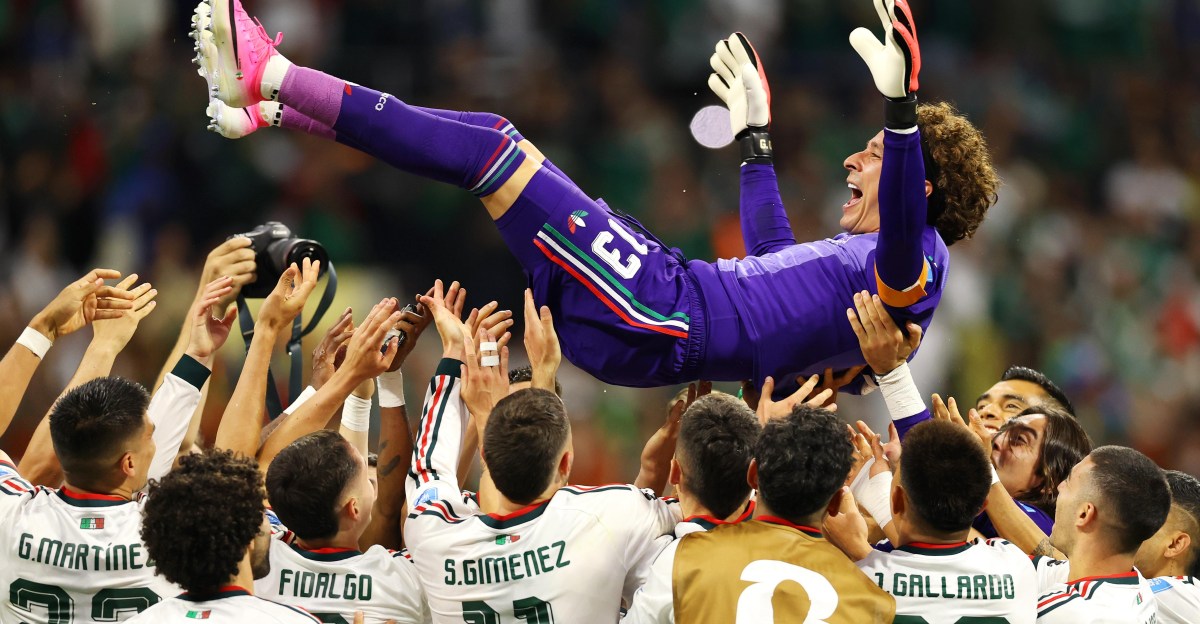
The 2026 World Cup is producing record streaming audiences across several major markets, according to figures reported by broadcasters and analytics firms. The numbers matter in the United States because they show soccer drawing large online audiences in a sports market where it has often trailed other major events.
In the US, Telemundo and Peacock said Mexico’s match against South Korea drew 6.1 million viewers across Telemundo’s streaming platforms. NBC Sports, which announced the figure, described it as the most-watched Spanish-language soccer stream for US audiences.
Fox Sports said the US men’s national team’s opening match brought 1.1 million streaming viewers on Tubi. Fox called it the most-streamed English-language World Cup match involving the US team.
Global records add to the streaming surge
The audience gains were not limited to the US. Streams Charts said Brazilian outlet CazéTV’s YouTube stream of Brazil’s opening game against Morocco topped 12 million concurrent viewers, setting a new YouTube mark.
Streams Charts also reported that South Korea’s match against Czech Republic reached a peak of 3.86 million streaming viewers in South Korea. The analytics firm said that total was twice the previous record associated with BTS.
The BBC reported more than 600,000 concurrent streams for France against Senegal. The broadcaster said the match became its largest live event streamed in 4K.
Several factors shaped the US market
The Verge, citing its Lowpass newsletter by Janko Roettgers, reported that the US streaming results followed a mix of business choices, legal fights and regulatory pressure that improved streaming access for soccer fans. The report identified Qatar’s summer heat and the failed launch of Venu as factors in how the market developed.
One relevant decision goes back to 2010, when FIFA selected Qatar to host the 2022 World Cup. The Columbia Journalism Review has reported that summer temperatures in Qatar often exceed 104 degrees Fahrenheit, a climate issue that made the tournament’s timing unusual for global soccer.
The 2026 tournament arrives after streaming has become a central part of sports distribution. The early audience figures show that World Cup matches are drawing large digital crowds on both free and subscription-linked platforms, including YouTube, Tubi, Peacock, broadcaster apps and national streaming services.
The strongest US figures so far have come from matches involving Mexico and the US team, according to NBC Sports and Fox Sports. Those results suggest the tournament is gaining traction online across both Spanish-language and English-language audiences.
This story draws on original reporting from The Verge.