
US Space Academy plan begins with a 120-day federal commission
Trump ordered a commission to design the proposed US Space Academy, leaving its site, admissions, programs and service terms undecided.
By James Whitfield · Staff Writer
3 min read
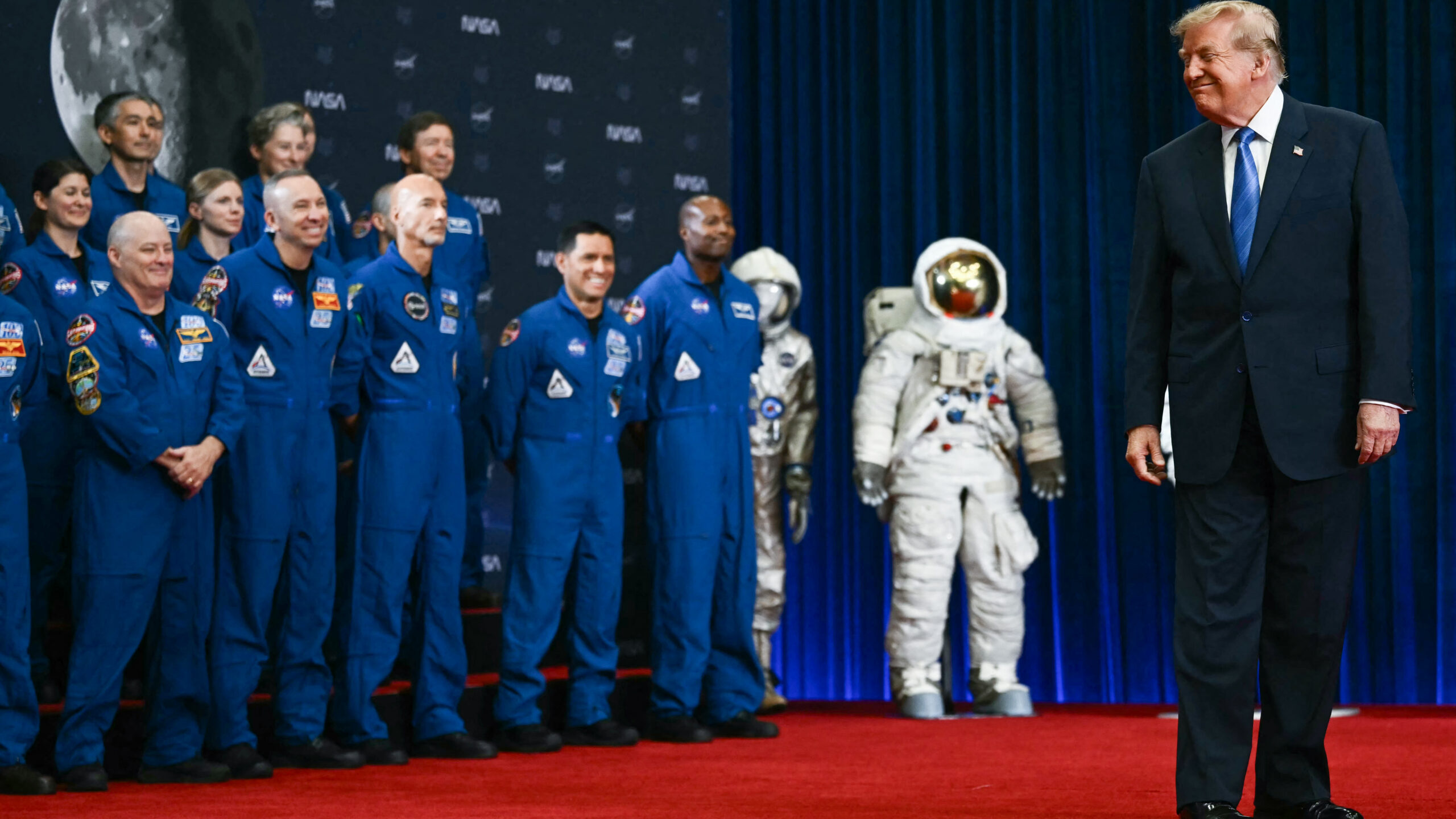
President Donald Trump’s US Space Academy announcement created a commission to plan a proposed school, rather than opening an academy or enrolling students. The White House order, signed August 28, gives the panel 120 days to recommend how a NASA-led federal academy could work.
Trump announced the initiative at NASA’s Johnson Space Center in Houston during a Congressional Space Medal of Honor ceremony for the Artemis II crew, according to CBS News and Al Jazeera. He compared the idea with established military service academies, but the order does not establish the proposed academy as a Space Force school.
What has Trump’s US Space Academy order actually created?
The executive order establishes the Presidential Commission on the United States Space Academy. It describes the academy as a proposed NASA-led institution intended to combine technical education, leadership development, discipline and public service, as part of a broader effort to develop the space workforce.
NASA’s administrator will chair the commission. The president’s assistants for science and technology and for economic policy will serve as vice chairs, while NASA’s deputy administrator will be executive director, the White House order says.
The order also names the Secretary of War, White House chief of staff, Office of Management and Budget director, national security adviser and Secretary of the Air Force, or their designees, as participants. The chair may invite other federal employees to join after consulting with the vice chairs, and working groups may seek advice from academic, industry and other outside experts.
What decisions are still pending?
Nearly all operational details remain unresolved. Within 120 days, the commission must submit recommendations on the academy’s governance, potential placement within NASA, accreditation, degree programs, training and applicant requirements, according to the White House.
- Whether graduates would have service obligations in the armed forces, civilian federal jobs, or both.
- Where a permanent campus would be located.
- Which pilot programs, partnerships and existing federal education programs could support the effort.
- What legislation may be needed and how the administration should sequence its implementation.
The order says NASA can carry out approved recommendations only after presidential approval and any necessary legislative action. Any action must also comply with applicable law and depend on available appropriations.
Ars Technica reported that planners have discussed a four-year degree, free tuition, a multiyear service commitment and courses ranging from spaceflight operations to orbital-debris mitigation. The publication said those remain formative ideas, not requirements set out in the order; no site had been picked at the time of its report. CBS News likewise reported that a location had not been selected and that civilian spaceflight industry access was unclear.
Former NASA deputy administrator Lori Garver told Ars Technica that an academy modeled on military schools could blur the line between NASA’s civilian space mission and the military activities of the Space Force. The commission’s report can propose a path forward, but the academy’s creation still depends on subsequent White House approval, potential action by Congress, legal requirements and funding.
This story draws on original reporting from Ars Technica.