
SpaceX’s Starlink launches run ahead of last year’s record pace
Tracker data cited by The Verge shows SpaceX deployed 1,589 Starlink satellites in the first half of 2026, 100 more than a year earlier.
By Maya Lindqvist · Senior Technology Correspondent
2 min read
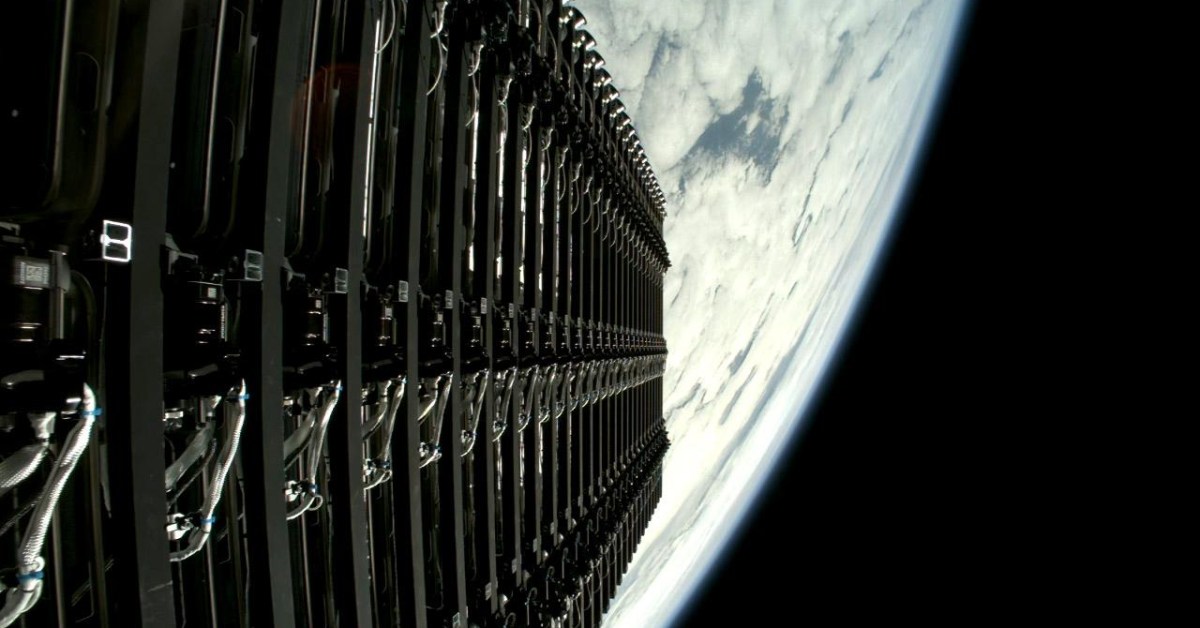
SpaceX is outpacing its 2025 Starlink deployment rate, according to satellite launch data cited by The Verge. The count matters because 2025 was already the company’s biggest year for building out its low-Earth-orbit internet network.
Data compiled by Jonathan McDowell’s satellite tracker shows SpaceX launched 1,589 Starlink satellites in the first half of 2026, The Verge reported. At the same point in 2025, the company had deployed 1,489 Starlink satellites, putting this year’s first-half total 100 satellites ahead.
SpaceX also said in a post on X that it deployed another 29 Starlink satellites last night, according to The Verge. The company’s pace keeps adding to a constellation that already dwarfs rival systems in orbit.
Starlink keeps expanding
The Verge reported that SpaceX launched 3,180 Starlink satellites in 2025, making it a record year for the company’s deployments. The first-half figures for 2026 put SpaceX on a faster track than that record-setting year, based on McDowell’s data.
Since Starlink began, SpaceX has launched more than 12,400 satellites for the constellation, The Verge reported. Nearly 11,000 of those satellites are still functioning, according to the same report.
The scale of SpaceX’s launches reflects the role of the Falcon 9, the reusable rocket that carries batches of Starlink satellites to low Earth orbit. The Verge compared the company’s annual launch capacity with Amazon’s still-smaller satellite internet effort.
Amazon remains far behind in orbit
Amazon’s Leo service has deployed about 400 satellites over the last 15 months, The Verge reported. Amazon plans a constellation of 3,232 satellites, according to the same report.
By comparison, SpaceX’s 2025 Starlink deployment total was close to the size of Amazon’s planned Leo constellation. The Verge said that means Falcon 9 is capable of putting up the equivalent of one Amazon Leo-sized space internet network in a year.
The figures show how far ahead SpaceX remains in satellite deployment volume. They also show that Starlink’s expansion has not slowed after a record year, at least through the first half of 2026.
This story draws on original reporting from The Verge.