
Brown class exam scores fuel AI cheating concerns
A Brown economics professor says a take-home midterm’s high scores collapsed when he moved the final exam back into the classroom.
By Maya Lindqvist · Senior Technology Correspondent
3 min read
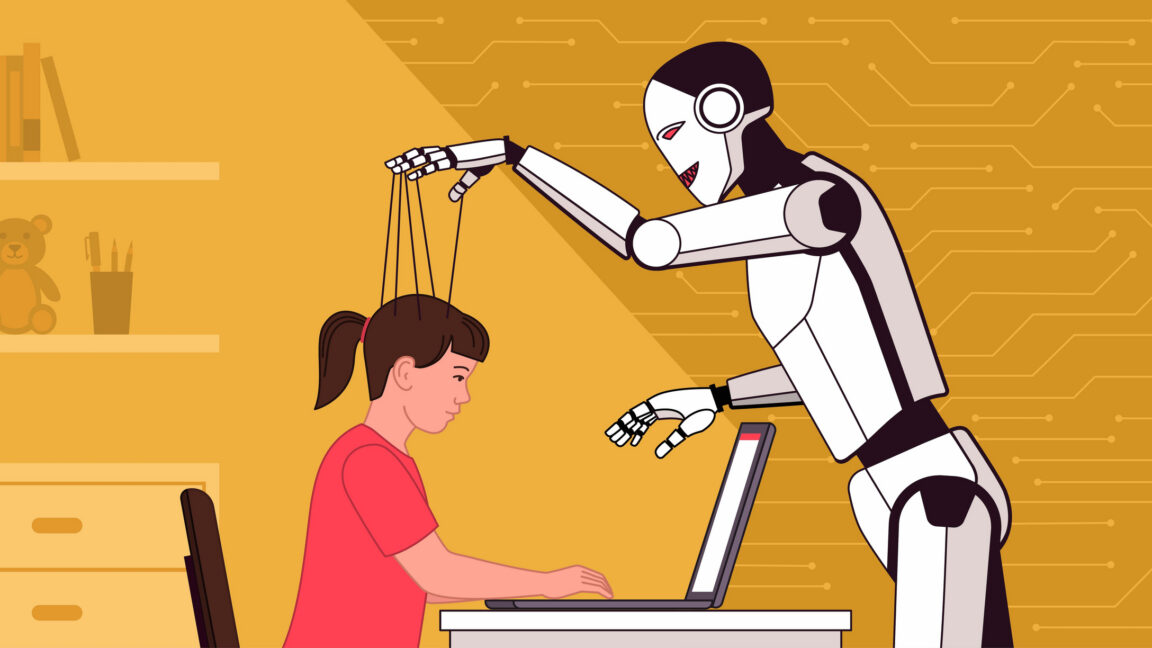
Brown University economics professor Roberto Serrano is challenging a spring 2026 exam episode that he says points to widespread use of generative AI to cheat. The case matters because it shows how quickly take-home assessments can become hard to trust as AI tools spread across campuses.
According to El País and Inside Higher Ed, Serrano changed the exam format for his difficult ECON 1170 course after a December 2025 attack on Brown’s campus left two people dead. Ars Technica reported that one of the victims had recently introduced herself to Serrano, and that the professor was shaken by the shooting.
Serrano, who is blind, allowed both the midterm and final to be taken at home for the spring term, El País reported. The course then drew 86 students, far above its usual enrollment; El País said Serrano had previously taught sections with no more than 30 students and sometimes as few as eight.
Midterm results raised alarms
The March 5 midterm produced unusually high grades, according to El País: the class average was 96 out of 100, and 40 students earned perfect scores. Serrano told Inside Higher Ed that prior midterm averages in the course had usually fallen between 65 percent and 80 percent, and that he had made this exam harder because students had unlimited time.
The answers also worried him, according to Inside Higher Ed. Serrano said some responses had an unusually tangled style, and he and graduate students found that ChatGPT produced similar kinds of answers when given the exam questions.
Serrano then changed the final exam to an in-person test, according to El País and Inside Higher Ed. He told students he would count the midterm only if the final exam results looked broadly comparable; otherwise, he would discard the midterm and shift the weight to the final.
After that notice, 18 students dropped the course and nine others did not show up for the final, El País reported. Of those 27 students, 22 had received perfect scores on the take-home midterm, according to the newspaper.
The students who sat for the in-person final averaged 48, down from the midterm average of 96, El País reported. Serrano has presented the gap as evidence that many students used AI on the take-home exam rather than learning the material.
Brown weighs AI in teaching
The episode comes as Brown is studying how generative AI should fit into university teaching. A provost-led Brown report on generative AI in teaching and learning found that 56 percent of undergraduate respondents and 67 percent of graduate and medical student respondents said they intentionally used generative AI tools daily or weekly.
The same Brown report said large majorities of students expressed concern about AI’s effect on their learning and feared harmful consequences for their cognitive capacity. Serrano told Inside Higher Ed he believes universities need to defend human thinking and academic integrity.
“We cannot afford to have a society in which a significant fraction of our best young minds think that cheating is okay,” Serrano told Inside Higher Ed. “That leads to a declining society, to a failed society.”
El País reported that Serrano lost his sight from retinal dystrophy at age 17 before continuing his studies and later attending Harvard. In interviews, he has framed the Brown case as part of a broader warning about universities, students and the temptation to outsource work to AI.
This story draws on original reporting from Ars Technica.