
Skydio CEO says wider drone use can improve safety
Adam Bry told The Verge’s Decoder that Skydio’s autonomous drones serve public safety, military, utility and infrastructure customers.
By Maya Lindqvist · Senior Technology Correspondent
3 min read
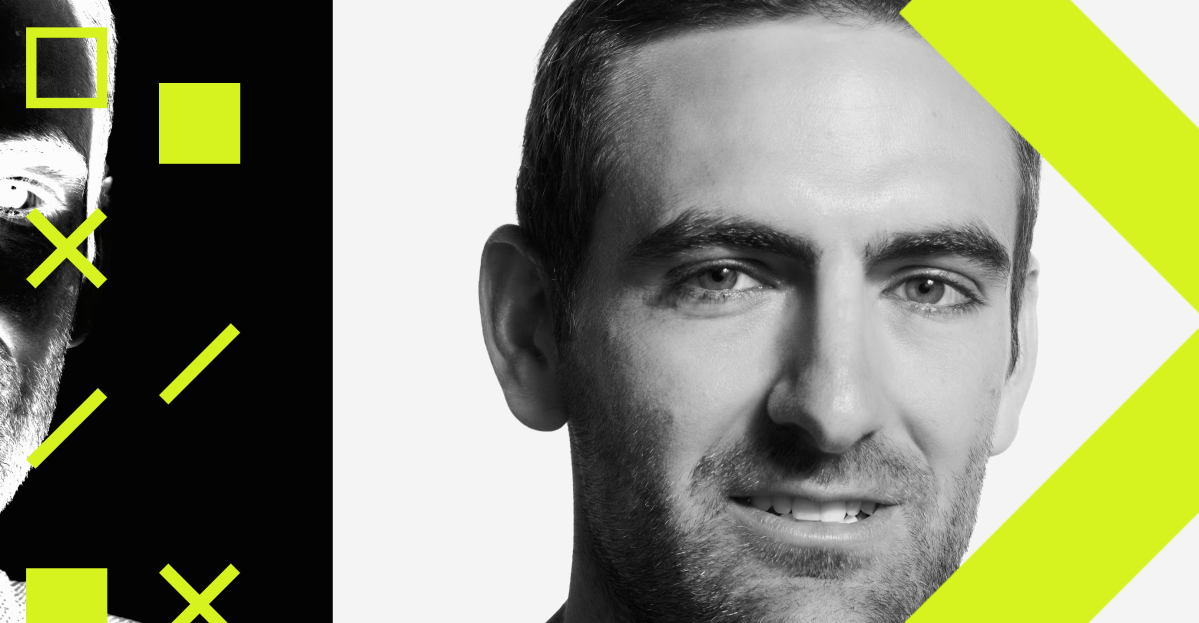
Skydio CEO Adam Bry argued in an interview with The Verge’s Decoder that broader drone use can make people safer, even as police, military and AI applications draw sharper scrutiny. The discussion matters because Skydio has become a leading U.S. supplier at a moment when Chinese-made drones face new barriers in the American market.
Bry told host Nilay Patel that Skydio is the largest U.S. drone manufacturer and described its products as flying sensor systems. He said the company, founded in 2014, works with public safety agencies, militaries, energy utilities, construction companies, transportation departments and security organizations.
According to Bry, those customers often operate in risky physical settings where better information can change the result of an incident or inspection. The Verge said Skydio has put much of its attention on enterprise users, including utilities that use drones to inspect infrastructure remotely.
The conversation also covered Skydio’s work with police and defense customers, according to The Verge. Patel said he pressed Bry on where he draws boundaries for AI and defense work, with military use of AI facing heightened controversy.
The Verge framed Bry’s position as a challenge to the idea that Silicon Valley companies should set categorical limits on drone uses. The podcast description said the episode covered mass surveillance, competition with China and Bry’s view that more drones will improve safety.
DJI ban reshapes the market
The market has changed sharply after the Trump administration banned foreign-made drones late last year, The Verge reported. Patel wrote that many lower-cost DJI drones, which came from China, effectively vanished from the U.S. market, leaving Skydio’s more expensive products as a main domestic option.
Bry and Patel also discussed the difficulty of producing advanced drones in the United States, according to The Verge. Skydio has recently taken on new investment, reached a multibillion-dollar valuation and is preparing to add 2,000 U.S. manufacturing jobs, Patel said during the interview.
Bry said Skydio currently has about 1,000 employees. He described the company as technically led, with senior engineering leaders covering hardware, software, operations and vehicle programs, and said his own engineering background shapes how the company is run.
Autonomy remains central
Bry told Decoder that drones have moved through several phases, from hobby aircraft to camera platforms to autonomous systems that can sit in docking stations, connect to the internet and fly remotely. He said the next stage will make drones more like infrastructure than standalone gadgets.
He said Skydio still spends heavily on flight technology, even as customers buy complete software and workflow systems. In his account, a drone company must master aerospace engineering, reliability and onboard computing before it can deliver useful enterprise integrations such as links to 911 dispatch or utility incident systems.
Bry said Skydio helped push drones toward computer vision, using onboard cameras and AI to hold position, avoid obstacles and follow subjects. He pointed to the Skydio R1, released in 2018, as the company’s first product built around that approach.
The Verge said Patel also remotely operated a Skydio X10 drone in the Bay Area from the podcast studio in New York and flew an indoor drone around the office. That demonstration was used to show how Skydio is pitching drones that can be operated at distance and used in professional settings.
This story draws on original reporting from The Verge.