
Russia to retire cracked space station tunnel after NASA safety standoff
Roscosmos has told NASA it will decommission the ISS PrK transfer tunnel after leak repairs raised fears of a rapid depressurization, Ars Technica reports.
By Hana Yoshida · Markets Reporter
3 min read
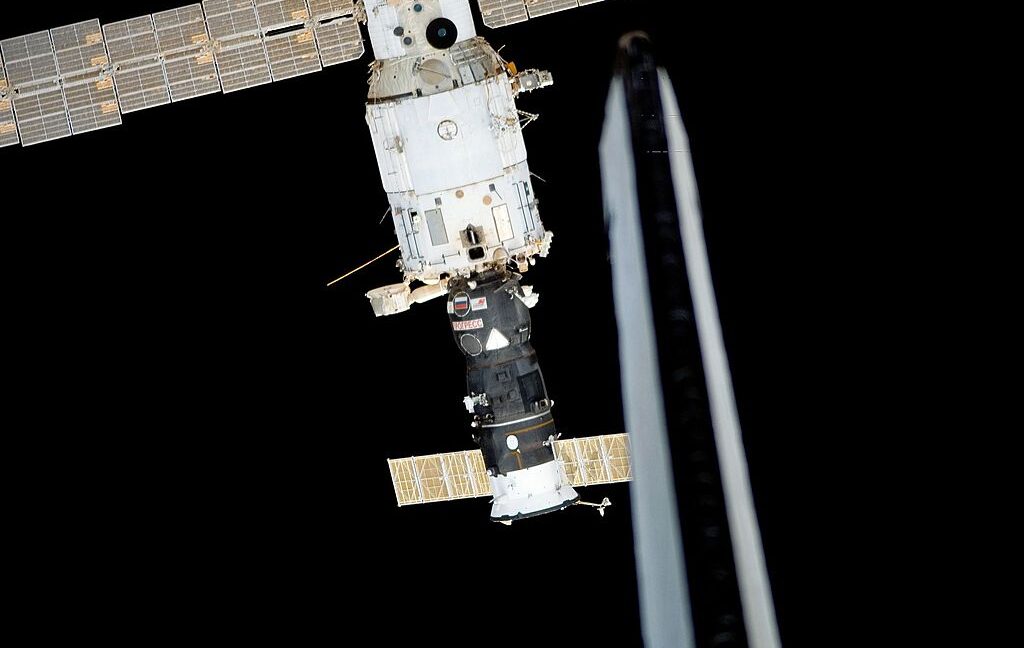
Russia has told NASA it will stop using a cracked transfer tunnel on the International Space Station, according to Ars Technica. The move could remove a long-running safety concern tied to air leaks in the Russian segment of the orbiting lab.
The decision follows a June 5 episode in which NASA ordered several astronauts to shelter inside SpaceX’s Crew Dragon Freedom spacecraft while Russian cosmonauts prepared work near the damaged area. NASA later said the crew returned to normal station operations after Russia chose to perform more measurements and inspections instead of proceeding.
Leaks in an aging Russian module
The problem centers on the PrK module, a small transfer passage connected to Russia’s Zvezda service module. The tunnel links the main Russian segment to a docking port used by Progress cargo spacecraft.
Cracks in the PrK area have been a concern since 2019, Ars Technica reported, citing NASA officials who spoke on background. Russian crews have tried repairs over several years, including use of a sealant called Germetall-1.
Roscosmos said earlier this year that the leaks had stabilized, according to Ars Technica. They returned in May and increased in early June, leading Russia to prepare a broader inspection and repair effort on June 5.
NASA has not given a detailed public account of its concerns. In late 2024, former astronaut and retired NASA official Bob Cabana said NASA had raised worries about “the structural integrity of the PrK” and the possibility of “a catastrophic failure,” according to Ars Technica.
Repair plan prompted alarm
Ars Technica reported that Russian officials told NASA on June 4 they planned to address newly found leaks using a drill and a drill-stop device intended to prevent the drill from passing through the module wall. NASA officials were alarmed because Roscosmos had not provided analysis showing the procedure would work, according to the report.
One NASA official told Ars Technica that the agency warned it could put astronauts in suits and in Dragon to show disagreement with the plan. The official said Russian officials did not change course at that point.
The standoff continued the next morning, according to Ars Technica. After Russian cosmonauts appeared to step back from the drilling plan, they approached the PrK area with a saw and planned to remove a load-bearing bracket, while communication between Roscosmos and NASA officials on the ground remained strained, the report said.
NASA then directed U.S. astronauts Jessica Meir and Jack Hathaway, French astronaut Sophie Adenot, Russian cosmonaut Andrey Fedyaev, and U.S. astronaut Chris Williams to shelter in Dragon Freedom, according to Ars Technica. Williams had arrived at the station aboard a Russian Soyuz spacecraft.
What decommissioning would change
Under the plan Russia has described to NASA, cosmonauts would no longer enter or pressurize the PrK tunnel, Ars Technica reported. That would end the pressure cycling that NASA officials linked to leaks in the corroded structure.
Progress spacecraft could still use the docking port for fluid transfers and other functions, according to the report. Russia, however, would need to use different ports to bring supplies into the station.
NASA and Roscosmos have not released new public updates on the issue since the June 5 safe-haven event, Ars Technica reported. If carried out, the PrK retirement would mark a significant change in how the partners manage one of the station’s longest-running structural concerns.
This story draws on original reporting from Ars Technica.