
OMB grant rule faces science group warnings before July 13 deadline
Scientific organizations say a proposed OMB rule would politicize federal research grants and weaken peer review as public comments near a July 13 deadline.
By James Whitfield · Staff Writer
3 min read
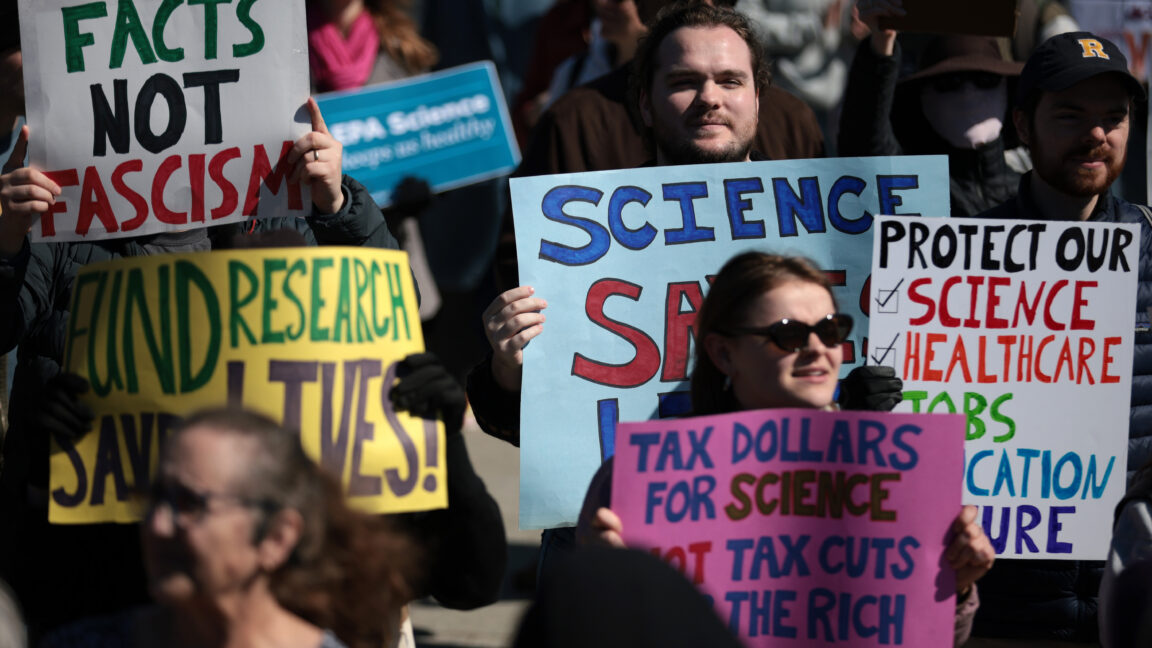
A proposed Office of Management and Budget rule for federal grants has drawn sharp warnings from major U.S. scientific organizations, which say it would shift research funding decisions toward political appointees and away from expert review. The proposal is still open for public comment, with responses due Monday, July 13, according to the federal rulemaking docket.
The OMB proposal, issued near the end of May, would revise how the federal government manages grants, including awards that support scientific research. OMB says the changes are meant to improve “transparency, accountability, and oversight,” reduce burdens on recipients and ensure federal money is not wasted or used outside legal and policy requirements.
Critics cited by Ars Technica say the rule would give political officials broad authority over grants that have traditionally depended on peer review and scientific merit. Ars reported that the proposal would allow grant decisions to be weighed against standards such as whether work aligns with administration priorities or the national interest, and would require political approval for spending on activities such as publishing and conference travel.
Science groups say the change could make long-term research harder to plan because grants could become vulnerable to policy shifts between administrations. They also warn that the rule would be harder to challenge than executive orders because, if finalized through the federal rulemaking process, it would carry the force of regulation.
The American Association for Cancer Research called the proposal “a major threat to the National Institutes of Health.” The group said the administration’s use of “Gold Standard Science” could be used to end research because it conflicts with a preferred political or methodological approach, rather than because the work is scientifically flawed.
Shane Jacobson, CEO of the American Cancer Society, said in a statement that putting changing policy preferences into federal regulation could create repeated overhauls after changes in administration. He said that would make it difficult for institutions and investigators to sustain multi-year research tied to clinical trials and medical discoveries.
Nancy Brown, CEO of the American Heart Association, said policies that move decisions away from established scientific and public health expertise risk weakening the innovation and collaboration needed to address health challenges. The American Geophysical Union said the rule would let political officials reject proposals that had passed expert review if the work did not fit presidential priorities or the national interest.
The American Physical Society said the proposal would allow political preference to override peer review, restrict travel, limit collaboration and affect programs that train future scientists. Sudip Parikh, CEO of the American Association for the Advancement of Science, said the rule would make future discoveries less likely and place too much power over science funding in OMB’s hands.
Public comments are part of the federal rulemaking process. Elizabeth Ginexi, a former National Institutes of Health program director, wrote that substantive comments can create a record for court review, require OMB to defend provisions and signal to Congress that the proposal may require legislative action.
Groups including the Society for Neuroscience, the American Geophysical Union, Stand Up for Science and the American Physical Society have posted tools or guidance for submitting comments. The federal docket for the proposal is available at Regulations.gov.
This story draws on original reporting from Ars Technica.