
OpenAI discusses 5% US stake as AI backlash grows
Sam Altman has talked with Trump officials about a public stake in OpenAI, while Bernie Sanders is pushing a far larger plan.
By James Whitfield · Staff Writer
3 min read
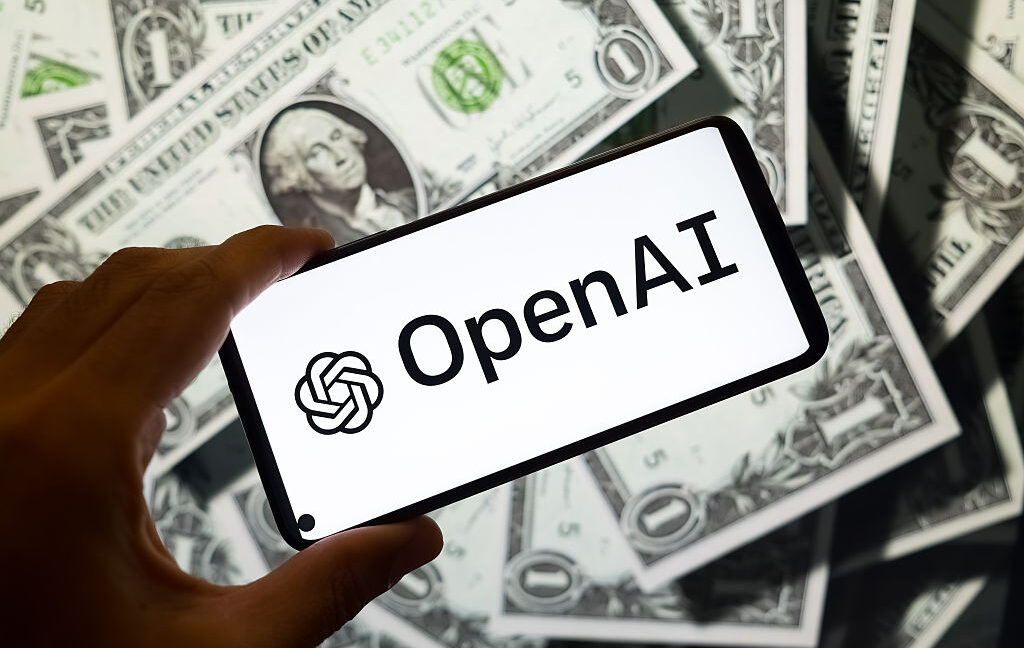
OpenAI CEO Sam Altman is in early talks with the Trump administration about giving the United States a 5 percent stake in the company, the Financial Times reported, citing people familiar with the discussions. The proposal would put public ownership at the center of a fight over who benefits from artificial intelligence as voters show rising concern about the technology.
Altman has argued that a financial stake for the public would help share gains from AI, according to the Financial Times. The newspaper reported that President Donald Trump supports the idea and that his administration has also spoken with other AI companies, including Google and Meta, about similar arrangements.
The companies did not comment to the Financial Times. Google and Meta have not said they accept OpenAI’s view that 5 percent is the right level for a public stake, according to the report.
The discussions come as AI companies face broader public resistance. Axios has described the mood as an “AI hate wave,” citing polling on concerns about the technology. Gallup found that 70 percent of Americans oppose AI data centers in their area, while Pew Research Center reported that half of Americans are more worried than excited about AI.
Pew also reported in June that views about AI and the speed of its development lean negative, including among younger adults, even as chatbots and AI summaries become more widely used. NBC News reported this week that voters in both major parties favor tighter AI regulation.
Trump and AI companies have argued that heavy regulation could weaken the United States in its competition with China, according to the Financial Times. OpenAI’s proposed public stake appears aimed at easing political pressure by tying ordinary Americans more directly to AI-related gains.
OpenAI has floated a sovereign wealth fund modeled in part on Alaska’s Permanent Fund, the Financial Times reported. That Alaska fund invests revenue from oil wealth in stocks and pays dividends to the state government and residents, according to the newspaper.
In the spring, OpenAI proposed an AI wealth fund that would give every citizen, including people who do not own stocks, a share in AI-driven growth, the Financial Times reported. OpenAI has also said in a blog post that an AI-led future may require new ways to give people lasting stakes in systems that create value.
The Financial Times reported that OpenAI has discussed the idea with Treasury Secretary Scott Bessent, Commerce Secretary Howard Lutnick and Sen. Bernie Sanders of Vermont. Sanders, an independent, has pushed a much larger public-ownership approach.
People familiar with Sanders’ talks with Altman told AP News last month that the two remained far apart on how much of OpenAI should belong to the public. Sanders has proposed legislation requiring major AI companies to pay a one-time 50 percent tax on their stock, which he estimated would raise about $7 trillion.
Under Sanders’ plan, that money could be sent directly to Americans or invested in areas such as health care, education and housing, according to AP News. Sanders has also called for a bipartisan Independent Commission for Democratic AI, with members nominated by the president and confirmed by the Senate.
Sanders told AP News that the commission could use voting shares to stop major AI companies from taking actions that could harm the public. “The public has got to have a significant seat at the table to make sure that terrible things do not happen to ordinary people, and that in fact, AI benefits ordinary people, not hurts them,” Sanders said.
The Financial Times reported that OpenAI’s idea remains conceptual and may require congressional action to create a mechanism for the United States to take stakes in AI companies.
This story draws on original reporting from Ars Technica.