
Hip implant wear caused severe cobalt poisoning in patient
Doctors traced a woman’s rapid nerve, heart and thyroid symptoms to cobalt released from a revised artificial hip joint.
By James Whitfield · Staff Writer
4 min read
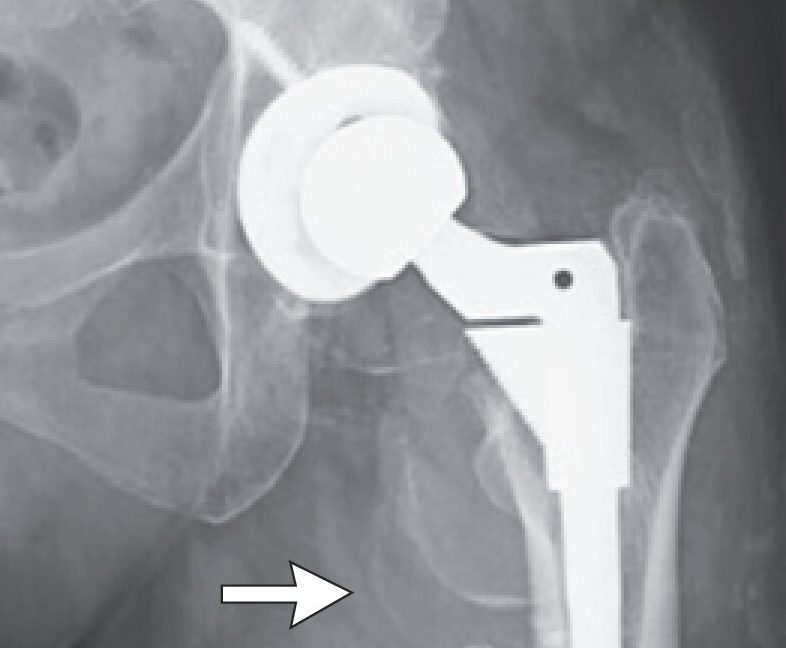
A 56-year-old woman’s fast-worsening neurological and cardiac symptoms were traced to cobalt poisoning from a hip replacement, according to a case report in the New England Journal of Medicine. The case shows how metal released from some artificial joint components can cause body-wide illness, especially when mechanical wear accelerates.
The woman was admitted after eight weeks of painful tingling that began in both feet and moved up her legs, the report said. By the time she reached the hospital, she could not feel her feet on the floor, stumbled often and held onto walls to stay upright.
Her symptoms had also spread to her hands. She reported short-term memory problems, poor concentration, irritability, loss of appetite and heart palpitations, according to the doctors who treated her.
Her medical history included high blood pressure, anxiety and depression, and hypothyroidism treated for more than a decade. Four weeks before admission, her thyroid medication had been increased, but doctors did not initially see that as a central clue.
The more relevant history involved her left hip. She had received a hip replacement 20 years earlier after an injury from a car crash, and the implant began failing after 19 years, the case report said.
A year before her hospital admission, the prosthetic hip dislocated. Doctors put it back without surgery, but she continued to have pain and trouble walking, and imaging showed the hip socket liner was failing.
About three months before her new symptoms appeared, she underwent a hip revision at another facility. Her doctors did not initially have those surgical records, and they considered but doubted a direct surgical nerve injury because her numbness and pain affected both sides of her body and came with cognitive, heart and thyroid-related findings.
Testing showed a fast heart rate and reduced touch sensation in all four limbs. Doctors considered vitamin deficiencies, immune disorders, chronic inflammation and autoimmune disease, but none clearly explained the pattern, the report said.
An X-ray showed the artificial hip remained in place, but also revealed deposits in tissue around the joint. Blood work showed elevated hemoglobin, which later became another clue.
When the hip revision records arrived, they showed the original implant had a titanium shell, ceramic liner, ceramic femoral head and titanium stem. The ceramic liner had shattered, leaving the ceramic head rubbing against the titanium shell.
During the first revision, surgeons replaced the broken ceramic liner with polyethylene and installed a cobalt-chromium femoral head, while leaving the titanium shell and stem in place. The report said surgeons had cleaned out fragments from the shattered ceramic liner, but remaining ceramic debris was suspected of grinding against the new metal head.
The treating doctors then identified severe cobalt poisoning as the unifying diagnosis. Cobalt toxicity can cause nerve damage, cognitive problems, heart rhythm symptoms and thyroid dysfunction, matching the woman’s presentation, according to the case report.
Cobalt can also drive excess red blood cell production by stabilizing hypoxia-induced factor, the doctors wrote. That mechanism explained her high hemoglobin despite no reported low-oxygen trigger.
Surgeons performed a second revision and found gray metallic fluid in the joint, with nearby tissue and muscle necrotic and stained silver-gray by cobalt, according to the report. They cleaned the joint, removed dead tissue, replaced the cobalt-chromium head with a ceramic one and installed a new polyethylene liner.
Doctors also began chelation therapy the same day to help remove cobalt. Lab results later showed her pre-surgery blood cobalt level was 592 nanograms per milliliter, far above the normal value of less than 10 ng/mL; her chromium level was 62.4 ng/mL, compared with a normal level below 0.2 ng/mL.
Her recovery was gradual and incomplete. In the following months, her walking improved and she reduced her thyroid medication to the earlier dose, but nerve symptoms continued; two weeks after discharge she developed persistent tinnitus, which the report said is common in cobalt poisoning.
One year after hospitalization, she reported less nerve pain, better walking and less frequent tinnitus. The doctors wrote that cobalt-chromium use in hip replacements has declined substantially over the past 15 years, though it remains used in some procedures, including certain revisions.
This story draws on original reporting from Ars Technica.