
Ghost lineage human DNA study points to ancient African interbreeding
A UC Berkeley-led study mapped DNA linked to an unknown ancient lineage that mixed with modern humans in Africa.
By Hana Yoshida · Markets Reporter
3 min read
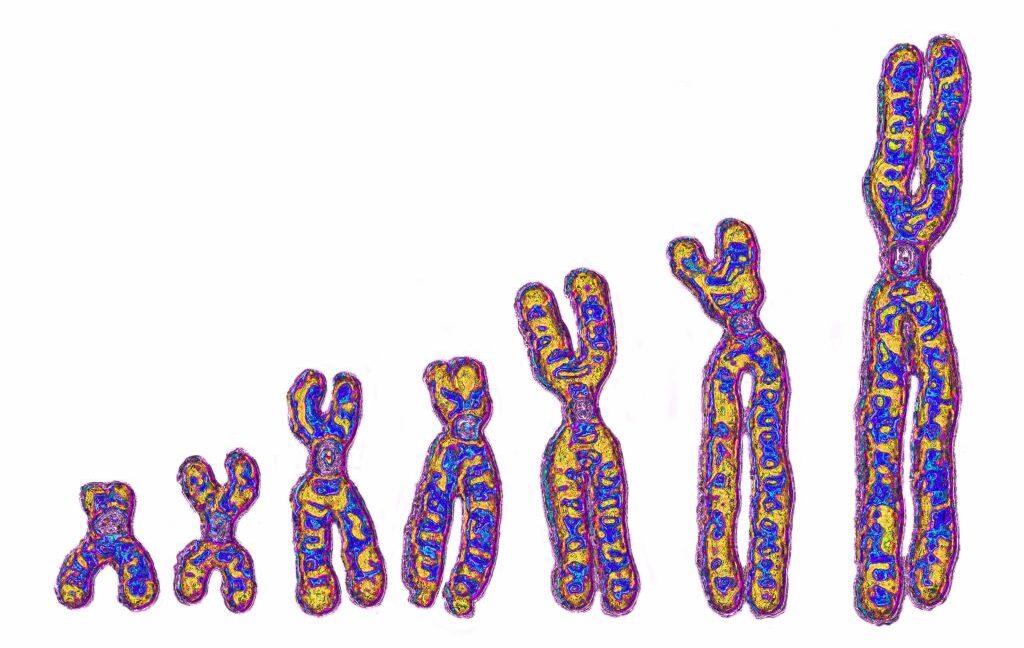
A ghost lineage human DNA study has identified segments in living people that researchers say came from an unknown archaic population that interbred with modern humans in Africa. The result matters because it maps the proposed genetic contribution rather than only finding broad hints of it, though the population itself has not been identified.
The UC Berkeley-led team reported the findings online in Science on July 30. The inferred ancestry accounts for about 0.5% to 1.1% of present-day human genomes, according to Ars Technica.
What is the ghost lineage in human DNA?
A ghost lineage is an ancestral population inferred from genetic patterns but without a sequenced genome or confirmed fossil identity. The researchers found evidence for its DNA in both African and non-African populations, which supports the conclusion that the mixing took place in Africa before the most recent major expansion of Homo sapiens out of the continent, ScienceDaily reported.
The group’s last common ancestor with the modern-human lineage is estimated to have lived more than 800,000 years ago. That date describes when the lineages separated, not when their members later interbred. ScienceDaily reported that the interbreeding occurred more than 50,000 years ago.
How did researchers find ancestry from an unknown population?
The team used a method called TRACE, short for TRacking Archaic Contributions via ARG Estimation. It reconstructs likely family relationships among stretches of DNA in present-day genomes using ancestral recombination graphs, allowing researchers to search for genetic segments with unusually deep ancestry.
The expected signal is DNA whose common ancestry appears old, but which shows less recombination than a segment that had remained continuously in the modern-human line. That pattern can indicate DNA that entered the lineage later through interbreeding, Ars Technica reported.
Researchers tested the approach against known Neanderthal and Denisovan contributions, which TRACE recovered. Ars Technica said the selected analysis reported a false-discovery rate below 0.25% and accuracy above 90%.
A separate, far older signal
The study also reported evidence for a different “super-archaic” lineage. Researchers say that population separated from the lineage leading to modern humans about 1.8 million years ago and mixed with Denisovans in Eurasia, likely more than 200,000 years ago, according to Technology Networks.
That second signal did not come from direct interbreeding between modern humans and the super-archaic group. Instead, a small share could have reached some modern humans later when Denisovans interbred with Homo sapiens. Ars Technica reported that about 0.3% of Denisovan DNA in genomes from Oceania was traced to the super-archaic lineage.
The evidence remains indirect and model-based. Researchers do not know the identity, appearance or range of the African ghost population, and the study does not establish whether its genetic variants benefited modern humans. Possible overlaps with Middle Pleistocene Homo populations in Africa are timing comparisons, not a species identification, ScienceDaily reported.
This story draws on original reporting from Ars Technica.