
Young sparrows near Melbourne industrial sites show elevated PFAS levels
A Melbourne bird study links high PFAS in newly fledged sparrows to egg transfer and insect-rich chick diets near contaminated sites.
By Tom Brennan · Health & Medicine Correspondent
3 min read
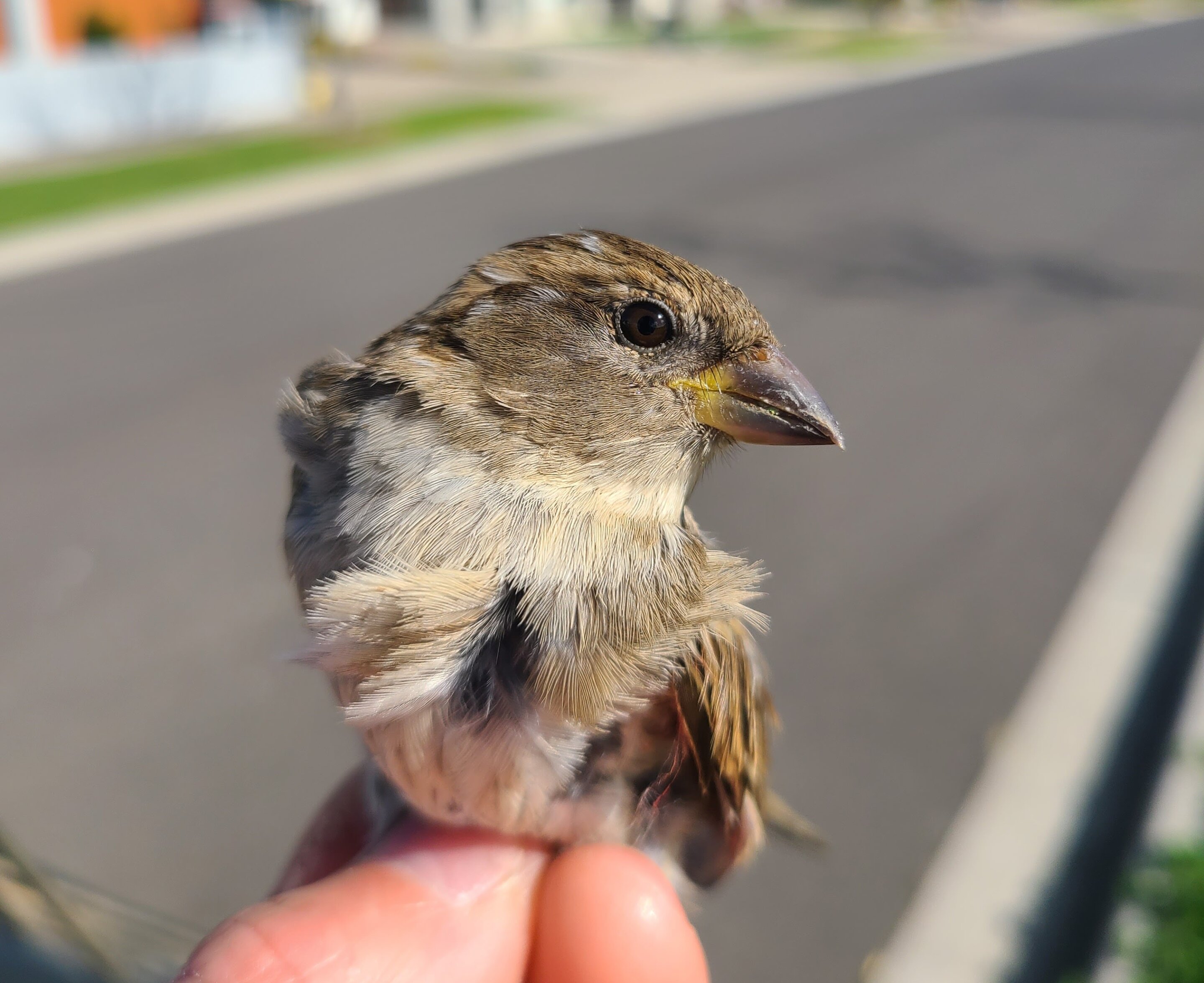
Young house sparrows living near industrial and military sites in Melbourne’s southwest were found with especially high levels of PFAS, according to researchers from Macquarie University and Environment Protection Authority Victoria. The findings matter because they show how the chemicals can move from mother birds into offspring and build up early in life.
The study, published in Environmental Science & Technology, tested blood from introduced house sparrows captured at 16 locations. The sites included areas around the Williams Laverton Royal Australian Air Force base, the Altona Wastewater Treatment Plant, the Qenos chemical plant in Altona and the Mobil oil refinery in Altona, according to Macquarie University.
Lead researcher Dr. Max Gillings, from Macquarie University’s School of Natural Sciences, said the highest concentrations appeared in recently fledged birds. The researchers attributed that pattern to PFAS being passed from mothers into eggs and to the insect-heavy food young sparrows receive while they are being raised.
PFAS hotspots around industrial and firefighting sites
PFAS, or per- and polyfluoroalkyl substances, are synthetic fluorine-containing organic chemicals used in many industrial and consumer products, according to the researchers. They were also used historically in perfluorinated aqueous film-forming foams for flammable-liquid fires.
Macquarie University said wildlife PFAS concentrations are often highest near petrochemical manufacturing sites and former firefighting training areas. The Williams Laverton RAAF base has a long history of firefighting foam use, according to the university.
Gillings said the exposure measured in the Melbourne sparrows exceeded levels previously reported in other sparrow populations. He said median whole-blood concentrations of PFOS, a well-known PFAS compound, were 10 times higher than those measured in sparrows from uncontaminated rural sites in Norway.
Age and diet shaped exposure
The study found PFAS concentrations tended to fall as birds aged. Newly fledged chicks had the highest levels, older juveniles had lower levels and mature adults had the lowest levels among the groups described by the researchers.
Gillings said diet was a major factor because young sparrows rely heavily on invertebrates, including insects, spiders, snails and worms. According to the study, invertebrates account for more than 90% of nestling sparrows’ diet, compared with less than 10% for mature nonbreeding adults.
The researchers also noted that adult sparrows, though mainly grain eaters outside breeding periods, eat more animal food while reproducing and feeding young. Gillings said similar age-related PFAS patterns have been reported in many species, including humans and other mammals, and appear tied to transfer from mothers to offspring.
PFAS are often called “forever chemicals” because they persist in the environment and can accumulate in living organisms, according to Macquarie University. Gillings said the Melbourne findings add to evidence that PFAS pollution affects both ecosystems and communities across Australia.
The paper, “Early Life Uptake and Elimination of Per- and Polyfluoroalkyl Substances in a Seasonally Invertivorous Bird,” lists Max M. Gillings and colleagues as authors and was published in 2026 in Environmental Science & Technology.
This story draws on original reporting from Phys.org.