
Model estimates most medieval chivalric manuscripts are lost
Simulations of manuscript transmission suggest up to 60% of medieval chivalric works and more than 95% of copies disappeared.
By Priya Raghavan · Science Reporter
3 min read
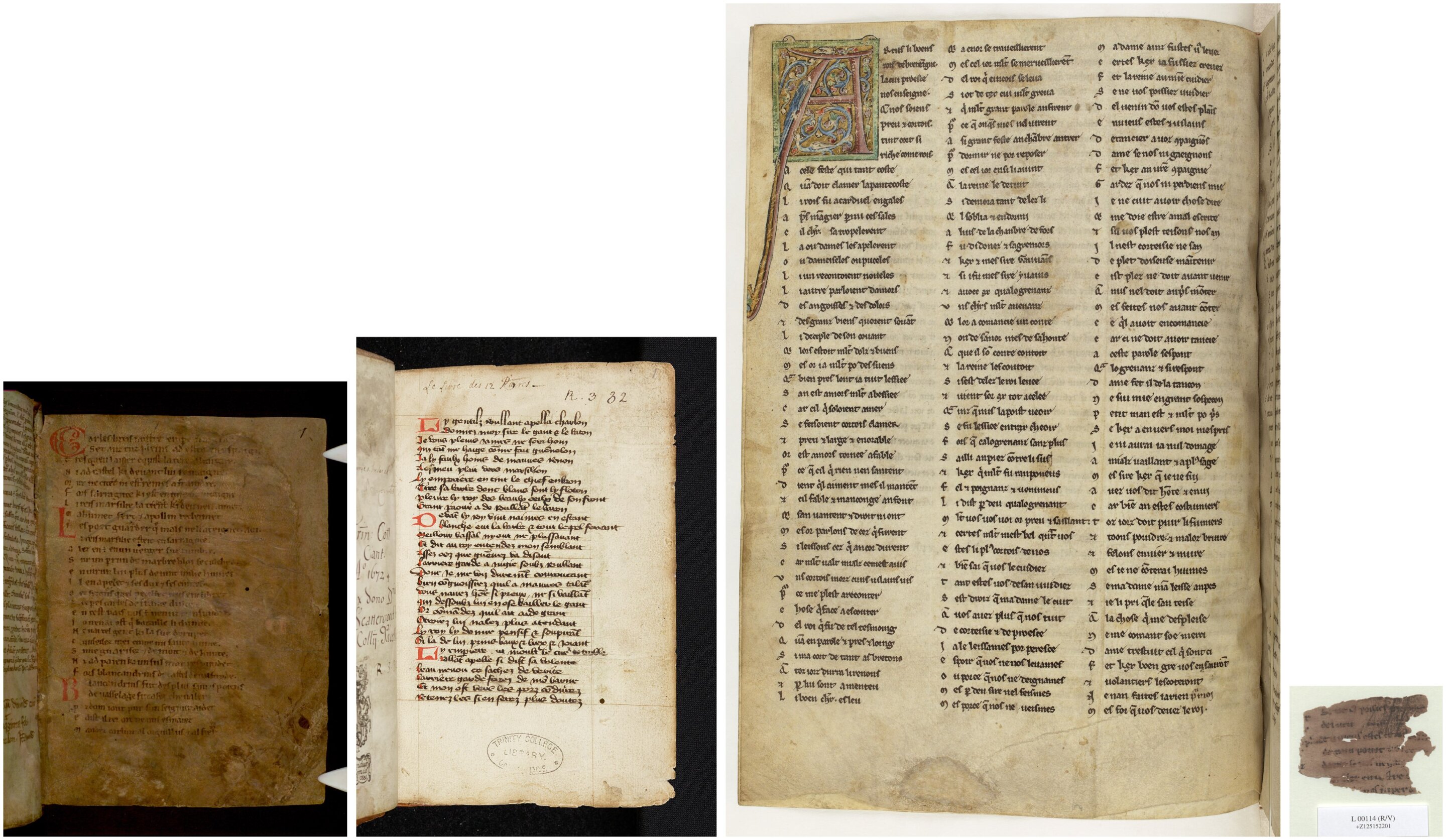
A new modeling study estimates that much of medieval chivalric literature has disappeared, including up to 60% of works and more than 95% of manuscript copies. The finding matters because the books that survive may represent only late or side branches of larger literary traditions, rather than the earliest forms readers and scholars often seek.
Jean-Baptiste Camps and colleagues report the results in PNAS Nexus, using a complexity science approach to study how handwritten texts were copied, changed and lost before print made reproduction more stable. The team focused on chivalric narratives beginning in the 12th century, a body of writing that includes famous surviving traditions such as stories associated with King Arthur and Roland.
How manuscript families reveal missing branches
Before the printing press, scribes reproduced books by hand. According to the researchers, that process produced mistakes, revisions and additions as texts moved from one copy to the next.
Philologists can use those changes to build stemmata, or family trees of manuscripts, in much the same way biologists use mutations to infer relationships among organisms. Camps and colleagues note, however, that such trees are built from copies that still exist, so they cannot directly show works or manuscripts that vanished without leaving descendants.
To address that gap, the researchers used agent-based simulations, a type of model that represents many individual actions and outcomes over time. The study suggests that the surviving record is a small remnant of a much broader medieval written culture.
The estimate is stark: the simulations indicate that as many as six in 10 texts may no longer exist, while more than 95% of individual manuscripts may have been lost. The authors frame those numbers as an attempt to measure absence from the surviving evidence, rather than as a count from historical inventories.
Early copying could decide survival
The study identifies the period soon after a text was first composed as especially important. According to the model, works that attracted only a small number of copies in their earliest years faced a much higher chance of disappearing altogether.
The researchers also found that surviving manuscripts usually may not preserve the first version of a work. Instead, for many texts, extant witnesses appear likely to descend from a secondary branch of the manuscript family.
That has consequences for some of the best-known medieval works. The authors point to the Song of Roland as an example, saying the earliest form of the poem is probably beyond recovery from the surviving manuscript record.
Camps and colleagues also argue that chance events and large historical disruptions probably shaped which texts survived. They cite random accidents and major events such as the Black Death as forces that could have ended manuscript lines and erased works from cultural memory.
The authors say the model shows how fragile written heritage can be. Their study argues that the literature available today reflects a mixture of copying habits, historical shocks, chance preservation and human decisions across centuries.
Publication details: Jean-Baptiste Camps et al., “On the transmission of texts: Written cultures as complex systems,” PNAS Nexus (2026), DOI: 10.1093/pnasnexus/pgag207.
This story draws on original reporting from Phys.org.