
Wildlife fears hunters more than other humans, study finds
An IISc-led review says animals react most strongly to people who pose a lethal threat, while tourists and researchers draw weaker responses.
By Tom Brennan · Health & Medicine Correspondent
3 min read
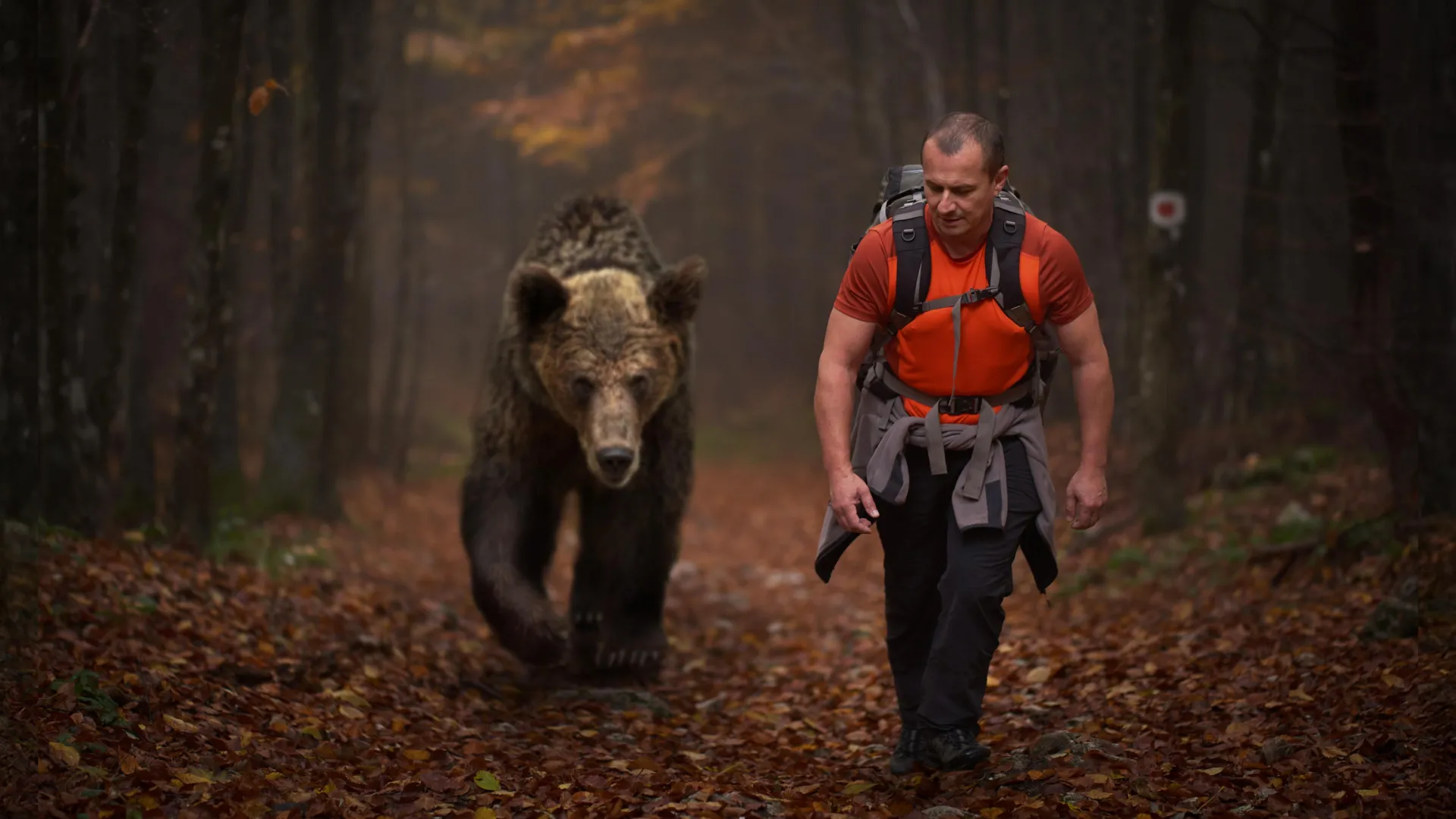
Wild animals do not appear to treat all people as the same level of threat, according to a new analysis led by the Indian Institute of Science. The finding complicates the common view of humans as a single, dominant “super-predator” in the eyes of other species.
The meta-analysis, published in Ecology Letters, reviewed three decades of studies on how animals change their behavior around humans. Researchers compared responses linked to feeding, watchfulness and movement across species and ecosystems, according to IISc.
The team found the clearest signs of fear when people could kill animals, such as hunters and fishers. In those situations, animals were more alert and spent less time feeding, lead author Shawn D’Souza of IISc’s Centre for Ecological Sciences said in the institute’s summary of the work.
Responses were less consistent when people did not pose a direct lethal risk. IISc said tourists, researchers and other non-lethal human activity produced weaker and more varied changes in animal behavior.
Fear depends on the kind of human contact
Humans hunt, trap and fish at a scale that has helped create the “super-predator” label, according to IISc. The new review does not reject that label outright, but it suggests wildlife behavior depends heavily on what people are doing.
D’Souza said the evidence supports the idea that animals assess people according to risk. Where lethal contact is common or intense, animals tend to stay wary; where human activity is limited, predictable or non-lethal, animals may be more likely to continue feeding or moving normally, according to the researchers.
The study’s framing aligns with the risk allocation hypothesis, which holds that animals adjust behavior based on how serious and predictable a danger seems. IISc said the behavioral choices studied by the team can affect survival because time spent scanning for threats reduces time spent eating, while changes in movement can alter energy use and access to food or shelter.
Roads and settlements may change perceived risk
The researchers also reported that roads and settlements did not always make animals more cautious. In some cases, IISc said, animals appeared less watchful near human infrastructure.
D’Souza said these places can act as perceived refuges when predators avoid humans. Maria Thaker, a professor at the Centre for Ecological Sciences and a co-author of the study, said cleared vegetation along roads may also attract smaller grazing animals, according to IISc.
That apparent benefit carries a separate danger. IISc said animals feeding near roads face the risk of vehicle strikes, even if the area seems safer from predators.
Possible use in conflict management
The researchers said fear of lethal human activity can ripple through ecosystems by changing grazing, movement and predator-prey interactions. Kartik Shanker, an IISc professor and study co-author, said the findings may be relevant to efforts to manage conflict between people and wildlife.
According to IISc, Shanker said limited culling could in some situations discourage wild animals from entering areas dominated by people more effectively than several other methods now used. The institute did not describe that as a universal approach, and the researchers called for more work to predict how different species respond under different conditions.
D’Souza said future research should connect animal behavior with ecological and evolutionary context, including species traits, prior exposure to people, predator communities and the structure of the surrounding area. IISc said long-term and experimental studies will be needed to tell whether animals are getting used to human activity or undergoing deeper evolutionary change.
This story draws on original reporting from ScienceDaily.