
Warming shifts Spain’s frost-driven rockfall risk toward higher mountains
A new study finds frost weathering is declining across much of Spain but persisting in high mountain zones, changing where rockfalls may be more likely.
By Priya Raghavan · Science Reporter
3 min read
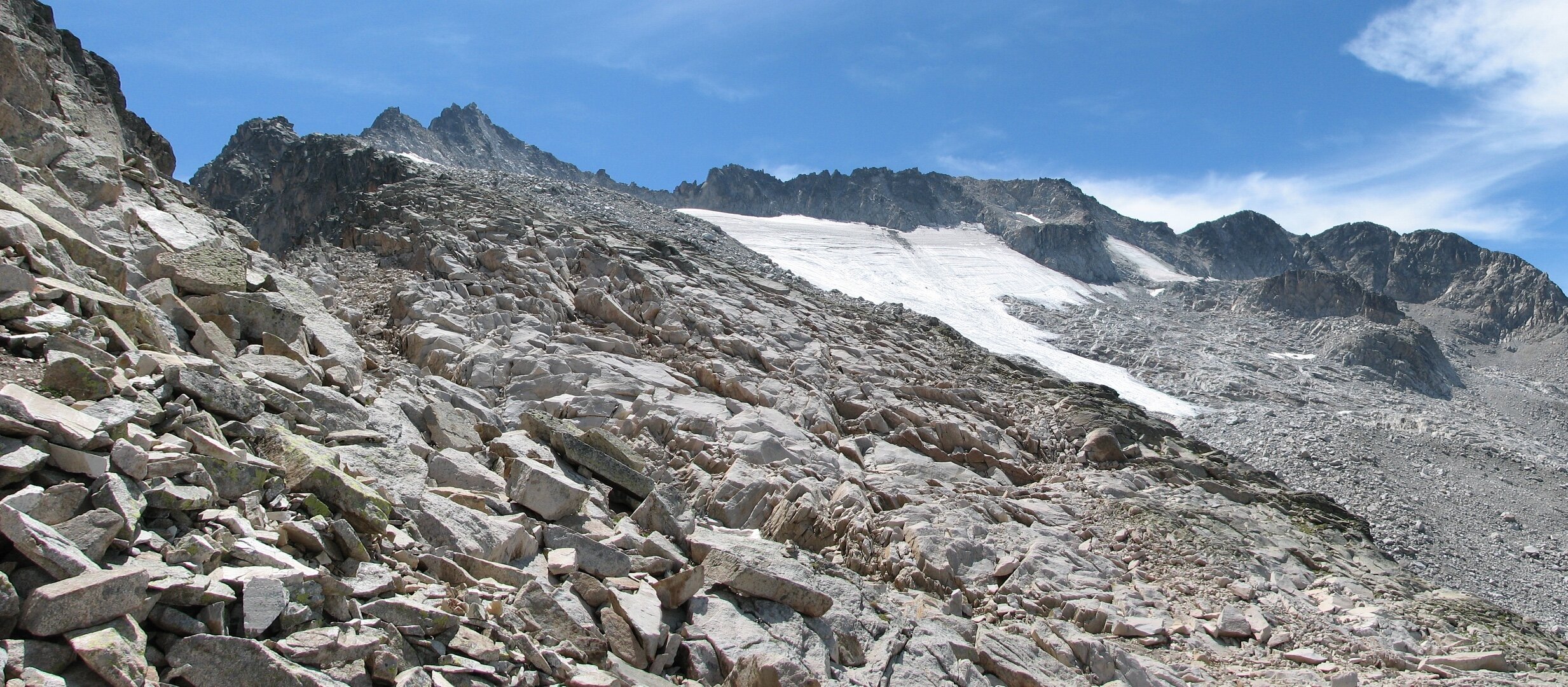
Rising temperatures are changing where frost breaks rock apart across Spain, according to research led by Carlos Gabriel Morales of the University of Valladolid. The shift matters because frost weathering helps set rockfall risk in mountain areas, where roads, rail lines and communities can sit below unstable slopes.
The study, scheduled for publication in The Cryosphere, examined how freezing conditions tied to rock breakdown changed from 1993 through 2022. Morales and colleagues report that frost activity has generally weakened across Spain, while some higher mountain areas still pass through the temperature and moisture conditions that can fracture rock.
Three decades of weather records
The research team used daily temperature and precipitation data from 84 weather stations across Spain. The stations covered alpine terrain, inland Mediterranean areas, oceanic regions, coastal zones and the subtropical Canary Islands, according to the study.
The researchers assessed five measures of freezing conditions. Those measures included frost days, freeze-thaw cycles, the strength of freezing and whether enough moisture was present for frost weathering to occur.
Frost weathering happens when water enters pores and cracks in rock, then freezes and expands, according to the researchers. Repeated freezing and thawing can weaken rock faces and contribute to erosion and rockfalls.
The study found that the strongest frost-weathering conditions were concentrated in mountains and foothills. Lowland Mediterranean regions and subtropical areas showed little or no meaningful frost activity, according to Morales and colleagues.
Spring frosts play a larger role
Across much of the country, the researchers found fewer frost days and fewer freeze-thaw cycles over the 30-year period. They also report that the frost season has shortened, a pattern they link to rising temperatures.
The timing of frost also changed the risk picture. Late frosts in spring were far more common than early frosts in autumn, and the first half of the year had about twice as many frost days, according to the study.
That finding points to January through May as the period when frost-driven rock breakdown is often most active, the researchers report. The pattern was not uniform, however, because mountain belts near Spain’s highest terrain retained conditions favorable to frost weathering.
Some peri-alpine areas around the highest mountains showed persistent or locally increasing frost intensity, according to the study. Morales and colleagues attribute that to warming pushing active frost weathering upslope, where temperatures still cross the freeze-thaw range often enough to affect rock.
Risk zones may change by 2050
Morales also estimated how the pattern could look by 2050. The study projects that freezing conditions will become more confined to high-altitude mountain areas, with the highest parts of the Pyrenees remaining the main zone for long-lasting frost activity.
At the same time, frost-free or only weakly affected areas are expected to expand across coastal regions and many major river basins, especially in southern Spain, according to the researchers.
The study says those changes could affect hazard planning. Areas with strong historic frost weathering may become less active, while some high-elevation zones could face greater rockfall vulnerability as freezing processes concentrate there.
Morales and colleagues note that roads, tunnels and other structures in mountain terrain often depend on risk assessments based on past conditions. Their findings suggest those records may become a less reliable guide as Spain’s freezing patterns change.
The researchers also connect frost weathering to the deterioration of natural stone and building materials. Changes in freeze-thaw activity could therefore affect infrastructure as well as the preservation of historic buildings and architectural heritage, according to the study.
This story draws on original reporting from Phys.org.