
War altered wildlife routines in the Chornobyl Exclusion Zone
Camera traps showed deer, foxes and other mammals shifted activity during Russia’s 36-day occupation of the Chornobyl Exclusion Zone, researchers reported.
By Tom Brennan · Health & Medicine Correspondent
3 min read
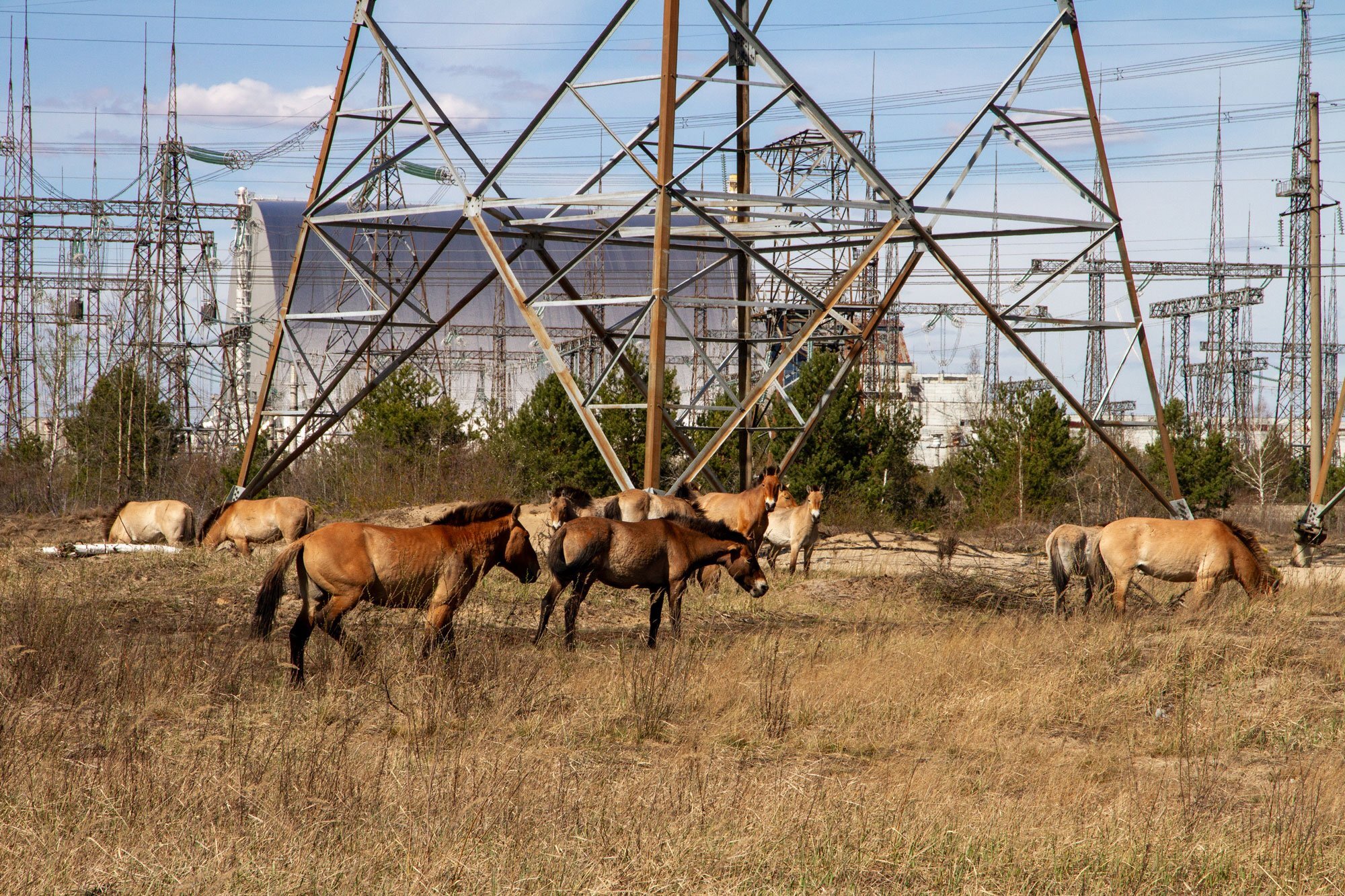
Wild mammals in the Chornobyl Exclusion Zone changed their daily routines during Russia’s 2022 occupation, according to a study published in Science. The findings provide rare field evidence of how active armed conflict can affect animal behavior in a protected area that had become a refuge for wildlife after a nuclear disaster.
The international team, led by Svitlana Kudrenko and Marco Heurich of the University of Freiburg, used camera traps to track activity before, during and after Russian forces entered the zone. The University of Freiburg said the analysis found changes in day and night activity among red deer, roe deer, red foxes and wild boar during the occupation.
Russian forces occupied the Chornobyl Exclusion Zone for 36 days, from Feb. 24 to April 1, 2022, according to the researchers. The study examined a period when an existing wildlife monitoring project, originally focused on lynx, was already running in the area.
Camera traps captured a rare record
The Chornobyl Exclusion Zone spans about 2,600 square kilometers, according to the University of Freiburg. After the 1986 reactor disaster and radioactive contamination, much of the area was set aside as a biosphere reserve with limited human presence.
Kudrenko said that reduced human activity in the zone supported rising wildlife populations and the return of some species that had disappeared locally or had been scarce. The University of Freiburg said brown bears and lynx recolonized the area, while moose, red deer, wild boar and gray wolves were found in smaller numbers; Przewalski’s horses and European bison were reintroduced in the 1990s.
After Russian forces withdrew, the research team recovered data from 31 camera traps with help from Ukrainian armed forces, who cleared mines and secured the area, according to the University of Freiburg. The infrared-triggered cameras recorded images from Jan. 19 to May 6, 2022.
For comparison, the researchers used images from the same 31 cameras and another 25 camera traps collected between Jan. 19 and March 21, 2021. The study covered 11 animal species.
Conflict intensity linked to activity shifts
The team also built a daily conflict-intensity index for 2022, according to Kudrenko. She said the index drew on interviews, including with nuclear plant employees, and scored events such as military convoys, live fire, airstrikes and artillery shelling from zero to 10.
The researchers also accounted for other factors, including rain, distance to roads, proximity to permanent human presence, and thermal anomalies such as bombardments or forest fires. They then compared those conditions with changes in animal detections by time of day.
The study found that some animals behaved as expected under disturbance, becoming more active at night or avoiding areas linked to human presence, according to the researchers. But other patterns differed from those expectations.
Kudrenko said red deer and red foxes had fewer nighttime detections during the occupation than during the same period in 2021, suggesting that they shifted more activity into daylight as conflict intensified. The researchers also found that total roe deer detections declined, while red deer detections rose as conflict intensity increased.
Brown hares and red deer reacted to thermal anomalies, mainly forest fires related to the conflict, by becoming more active at night, according to the study. Heurich said the results point to a shift in the zone from a recovering ecosystem with little human disturbance toward a militarized area where wildlife use of habitat and daily behavior changed.
This story draws on original reporting from Phys.org.