
Drought linked to higher methane releases from Mediterranean reservoir
University of Granada researchers found methane emissions rose sharply as water levels fell at Spain’s Cubillas Reservoir.
By Lucas Ferreira · Science & Environment Writer
3 min read
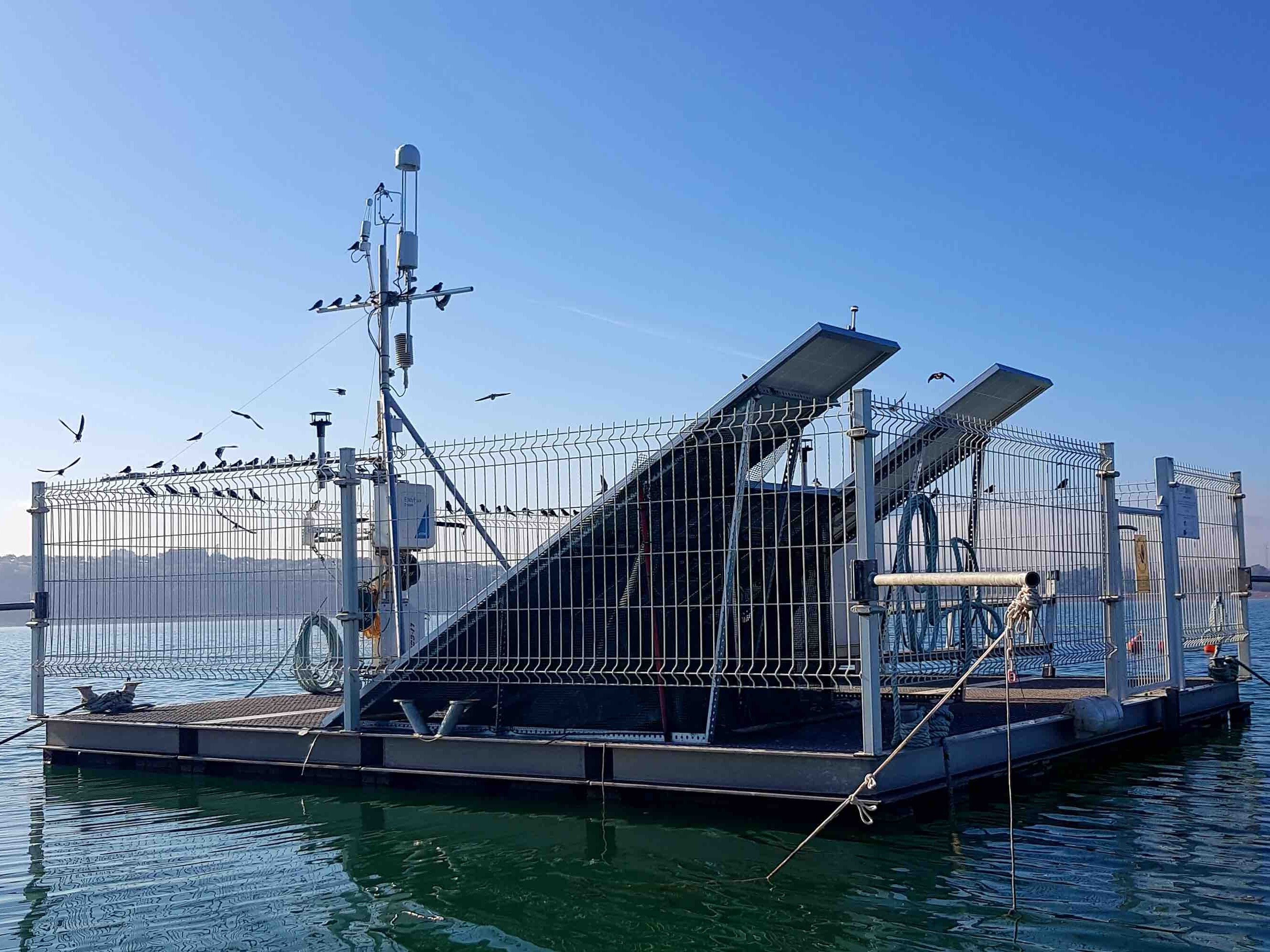
Falling water levels can drive sharp increases in methane emissions from Mediterranean reservoirs, according to University of Granada researchers. The finding matters because reservoirs and other inland waters are already considered major contributors to global methane releases, yet their emissions are hard to measure accurately.
The study, published in Global Change Biology, tracked carbon dioxide and methane coming from the Cubillas Reservoir in Spain over two years. The University of Granada said the work was carried out by an interdisciplinary team from its civil engineering and ecology departments, including Isabel Reche Cañabate, Francisco Rueda Valdivia and Cintia L. Ramón.
According to the university, lakes, reservoirs and other continental aquatic ecosystems cover only a small share of Earth’s surface but play an outsized role in the carbon cycle. More than 40% of global methane emissions are estimated to come from these systems, though researchers say uncertainty remains high because many estimates rely on isolated measurements taken at limited times and places.
Continuous monitoring from a floating platform
To get a fuller record, the Granada team used eddy covariance, a micrometeorological method that measures gas exchange between a surface and the atmosphere across broad areas. The researchers installed a floating platform with a measurement tower on the Cubillas Reservoir.
The university said the setup marked the first use in Spain of eddy covariance from a floating platform to continuously monitor carbon dioxide and methane emissions from a reservoir. The equipment allowed researchers to observe gas releases across two years with contrasting water conditions.
The measurements showed the reservoir consistently released both greenhouse gases, according to the study. Continuous monitoring also captured short-term changes that would have been missed by conventional one-time sampling, especially for methane, whose releases can rise or fall quickly.
The university said the data revealed daily cycles and brief emission events that standard sampling methods often fail to detect. That distinction is important for methane because emissions may occur through bubbling from sediments, a process that can be uneven over time.
Methane rose in drier conditions
The researchers found that carbon dioxide emissions stayed largely stable, while methane emissions climbed significantly during the driest year and when reservoir storage was falling. According to the study, lower water levels favor biogeochemical activity in sediments that increases methane production and release.
The study also identified wind and eutrophication as factors that can affect the intensity of reservoir emissions. Eutrophication, a process linked to excess nutrients in water, can influence oxygen conditions and biological activity in aquatic systems.
Methane has a stronger short-term warming effect than carbon dioxide, according to the researchers, making shifts in reservoir emissions relevant to climate projections. The authors said expected increases in drought and eutrophication could raise methane emissions from Mediterranean reservoirs and strengthen their role as greenhouse gas sources.
The University of Granada said the results point to a need for continuous monitoring systems that can better track how reservoirs behave under changing climate and water conditions. The researchers said the findings could also help shape more sustainable water management strategies in regions exposed to climate change.
This story draws on original reporting from Phys.org.