
Ozone pollution spread across EU during record June heat, report says
Global Witness estimated that nearly 300 million people faced ozone above EU guidance during a late-June heat wave.
By Tom Brennan · Health & Medicine Correspondent
3 min read
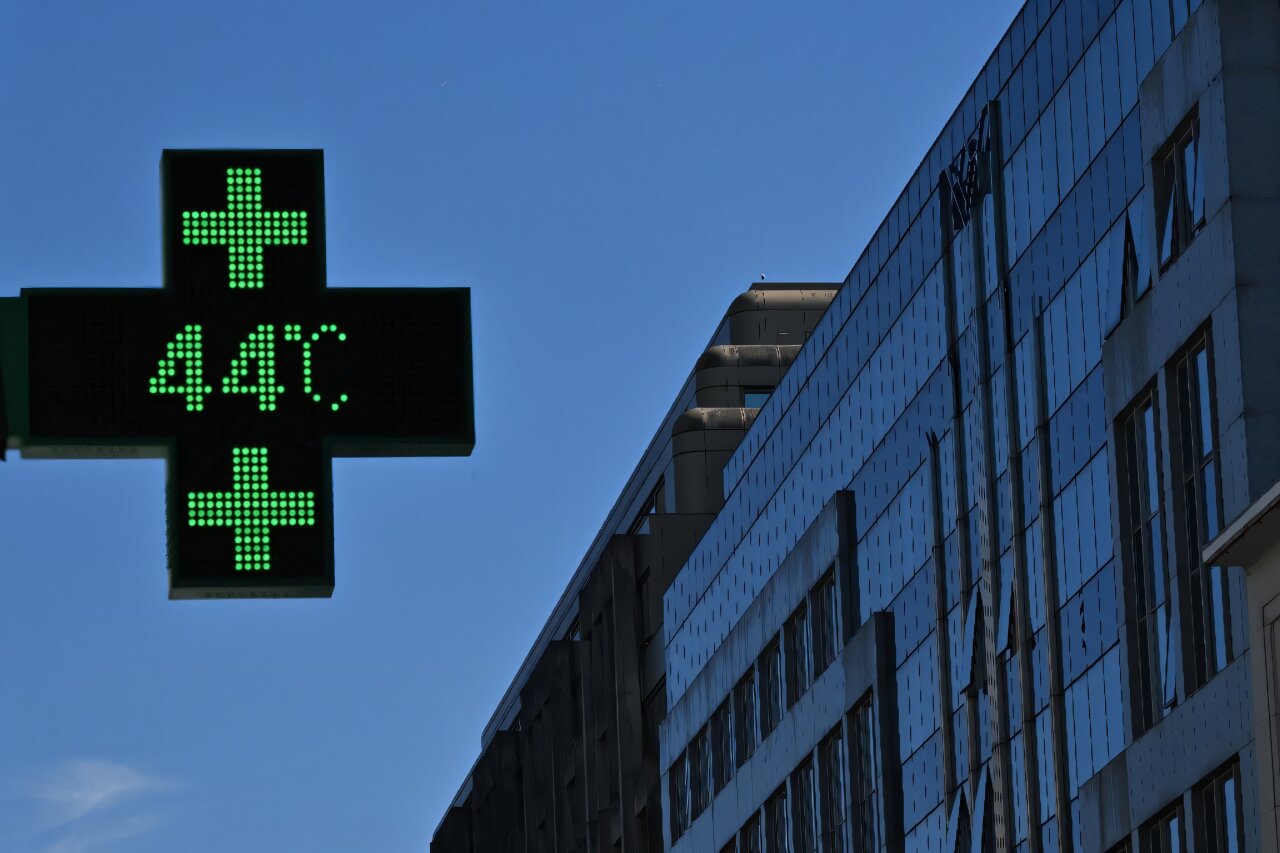
Harmful ground-level ozone may have reached about two-thirds of European Union residents during a record late-June heat wave, according to a Global Witness report shared with AFP. The finding points to an added health risk from extreme heat: pollution that forms more readily under strong sunlight and high temperatures.
Global Witness estimated that nearly 298 million people were exposed from June 21 to 28 to ozone above the EU’s recommended maximum daily eight-hour average of 120 micrograms per cubic meter. The group said the total included about 100 million children and older people, groups more vulnerable to air pollution and heat stress.
The report was released after the EU’s Copernicus climate monitor said western Europe had just recorded its hottest June. Global Witness senior campaigner Flossie Boyd told AFP the figures showed how fossil fuel dependence is putting people in dangerous conditions.
How the estimates were made
Global Witness said it combined readings from 162 European air-quality monitoring stations with atmospheric modeling and census data to estimate ozone exposure across the region. The modeling data used in the report came from the Copernicus Atmosphere Monitoring Service.
The group estimated that 87% of the EU’s 450 million people were exposed to ozone above the World Health Organization guideline of 100 micrograms per cubic meter. It also said 72 million people faced levels of 150 micrograms per cubic meter, which the report described as its most dangerous threshold.
Two-thirds of the monitoring stations recorded ozone levels that ranked in the top 1% for June days since 2013, according to the report. The highest reading cited was 233.7 micrograms per cubic meter in North Rhine-Westphalia, Germany, on June 27.
Why ozone rises during heat waves
Ground-level ozone is separate from the protective ozone layer high in the atmosphere. Near the surface, ozone is a main component of smog and can aggravate asthma, impair breathing, harm lung tissue and contribute to other health problems.
The European Environment Agency has attributed more than 63,000 deaths in 2023, along with billions of euros in crop losses, to ozone pollution. Ozone at ground level forms through chemical reactions involving nitrogen oxides, often linked to traffic, and organic compounds, including those associated with human-driven methane emissions.
Laurence Rouil, director of the Copernicus Atmosphere Monitoring Service, told AFP that preventing those precursor emissions would stop ground-level ozone from forming. She said the timing of the episode was concerning because it arrived so early in summer compared with the severe European heat wave of 2003, and called international cooperation essential for dealing with ozone.
Methane and public health concerns
The report said EU nitrogen dioxide levels have fallen in recent decades, while methane is responsible for about one-third of ground-level ozone formation. It said the bloc lacks binding targets to cut methane emissions from agriculture.
Boyd urged action to curb the emissions that feed higher temperatures and pollutant formation, according to AFP. James Weber, a climate scientist at the University of Reading who was not involved in the report, told AFP the findings matched patterns he had observed in Britain.
Weber’s research found that more than half of U.K. monitoring sites exceeded the WHO ozone guideline from Tuesday to Friday during the heat wave. He said ozone adds to health pressure during hot and humid weather, and warned that climate change is expected to bring heat waves that are longer, hotter and more frequent.
On high-ozone days, Weber advised people to limit time outdoors during the hottest hours, especially strenuous exercise, AFP reported.
This story draws on original reporting from Phys.org.