
Tigray grapevines research identifies rare landrace with ancient roots
Researchers say old Ethiopian grapevines may preserve genetic links to ancient trade and traits useful for dryland farming.
By Lucas Ferreira · Science & Environment Writer
3 min read
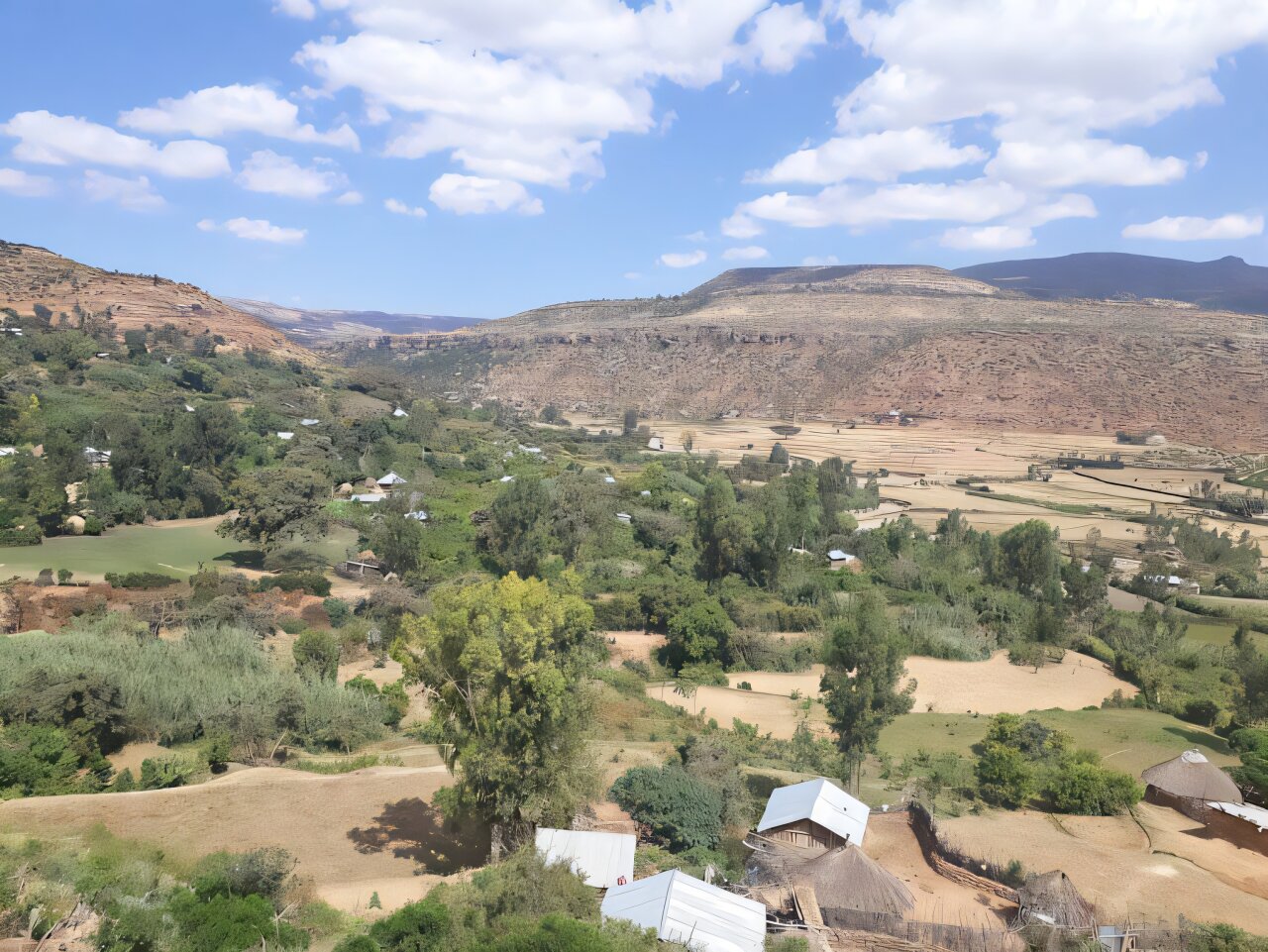
New Tigray grapevines research has identified a distinctive local grape lineage in northern Ethiopia that may carry both historical and genetic value. Researchers writing in The Conversation said the vines appear to preserve traces of old introductions linked to Mediterranean and Red Sea trade, while also showing adaptations shaped by generations of local farmers.
The work was carried out by an interdisciplinary team of geographers, agronomists and archaeologists studying agriculture, society and land use in Ethiopia. The team said archaeological evidence from the Aksumite kingdom, in what is now Ethiopia, has already shown that grapes and wine were present in antiquity through grape seeds, wine vessels, rock-cut wine presses and written records.
The researchers wanted to know whether any living vines in Tigray could be linked to that older grape-growing tradition. Their study combined field surveys, interviews with farmers, DNA analysis and comparisons of grape seed shapes.
Why do Tigray grapevines matter?
The researchers said Tigray’s old grapevines matter because they may preserve rare crop diversity outside commercial breeding systems. A landrace is a local crop variety maintained by farmers over generations through selection, exchange and adaptation rather than formal breeding.
The team identified one such landrace and proposed the name Rubaksum Tsellim. The name joins Rubaksa, the village where a key vine was documented; Aksum, the historic center of grape cultivation in the region; and the Tigrinya word “tsellim,” meaning dark or black.
According to the researchers, the Rubaksum Tsellim vine showed no match in major international grapevine reference databases used in the study. Its DNA instead showed affinities with traditional grape varieties from the Mediterranean and Caucasus regions, and its seeds most closely resembled varieties from Italy, Cyprus and Greece.
The team later found what appeared to be the oldest surviving grapevine in Aksum’s historic quarters. Genetic testing showed it had the same DNA profile as the Rubaksa vine, and both produced seeds that clustered near Mavro, an old grape variety associated with Cyprus and Crete.
How the researchers found the vines
The survey covered four highland areas across 1,269 square kilometers, or 490 square miles. The researchers found 41 vines and estimated that about 1,000 to 1,500 mature vines may remain across the wider region.
These plants are not grown in vineyards, the team said. Families tend them in household compounds, village gardens and church grounds, using the grapes for fresh eating, sharing with neighbors, donations to Orthodox churches and shade during the dry season.
Many of the vines have been propagated through cuttings passed between families rather than bought commercially. The researchers said that pattern of smallholder care, combined with isolation in remote villages, helped shape the vines’ genetic character.
The team said wild grapevines are not native to the Horn of Africa, so domesticated vines in northern Ethiopia must have arrived from elsewhere before adapting locally. They said the ancestry of the vines may partly reflect introductions during the Aksumite era, roughly 150 BCE to 800 CE, with later influence from varieties introduced into neighboring Eritrea in the early 20th century.
Conservation concerns
The researchers said the vines may hold traits useful for grape growing in dry conditions. They can be grown on stony farm plots and stone walls with manual irrigation, a pattern the team said could support local crop diversification.
The study also points to serious risks. Farmers interviewed by the researchers said many household grapevines were abandoned or died after the recent Tigray War disrupted rural livelihoods.
The researchers said conflict has threatened these vines before, citing the 19th-century German botanist Wilhelm Schimper’s description of grapevine decline in Tigray during a period of warfare. They said some documented vines may be among the last examples of unique local lineages, making conservation through cuttings and local recognition urgent.
This story draws on original reporting from Phys.org.