
Temperate species face higher local climate losses, study finds
University of Arizona researchers found climate-linked local extinctions are now more common in temperate regions than in the tropics.
By Lucas Ferreira · Science & Environment Writer
4 min read
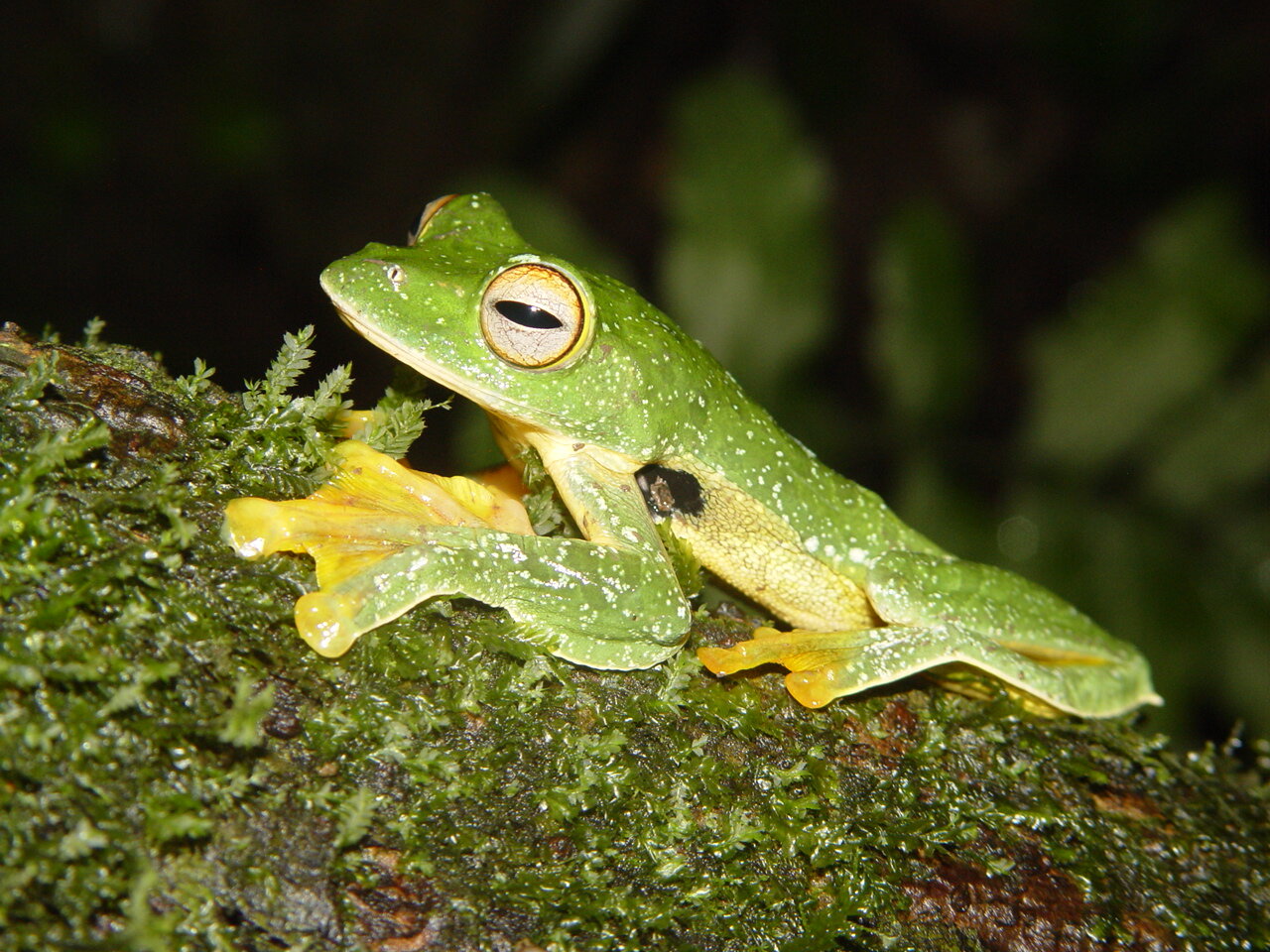
Climate change is driving more local disappearances of plants and animals in temperate regions than in tropical ones, according to a new University of Arizona study. The finding matters because temperate species have long been viewed as less exposed to climate risk than tropical species.
The research, published in Nature Climate Change, examined more than 5,100 plant and animal species worldwide. The University of Arizona team found that 49% of temperate species had vanished locally from the warmest parts of their ranges, compared with 33% of tropical species.
Local extinction means a species no longer occurs in a place where it was previously recorded, even if it survives elsewhere. The researchers said such losses are among the clearest signs that warming is already changing ecosystems.
Largest analysis of its kind
The study used repeat biodiversity surveys from nearly 40,000 sites, comparing earlier records with later field surveys conducted years or decades afterward. According to the University of Arizona, the work is the largest analysis so far of local extinctions linked to climate change.
The species studied included nearly 3,000 plants, hundreds of moths and beetles, hundreds of fish and birds, and many mammals, frogs, salamanders and lizards. The pattern held across broad groups, including insects, vertebrates, plants, and marine and freshwater species, the researchers reported.
Gopal Murali, lead author and a former University of Arizona postdoctoral scholar, said the results ran counter to a long-standing assumption that temperate species were less vulnerable to climate change. John Wiens, senior author and a professor in the university’s Department of Ecology and Evolutionary Biology, said a 2016 study he published using similar data found the opposite pattern, with higher local extinction among tropical species.
Faster warming in temperate areas
To examine the shift, the researchers analyzed warming trends, rainfall changes, drought and heat waves across global sites. They also removed sites where non-climate pressures, including deforestation, may have played a role.
The team identified faster warming in temperate regions as the main explanation. According to the study, the maximum temperature rise over a 25-year period was about 3.3 degrees Fahrenheit in tropical regions, while temperate regions saw a maximum increase of about 6 degrees Fahrenheit, or 3.3 degrees Celsius.
The researchers also found that temperate species appear at least as sensitive to rising temperatures as tropical species. That challenges the idea that tropical species are uniquely at risk because they evolved under relatively stable temperatures and may tolerate less seasonal variation.
Many species are not shifting poleward or uphill
Wiens said the study found more than 70% of species were not moving into cooler areas as the climate warmed. The researchers said local populations may instead survive or disappear in place, and repeated local losses across a species’ range can raise the risk of full extinction.
Movement may be limited by human development, geography or habitat. The University of Arizona researchers noted that animals can be blocked by roads and cities, aquatic species may be confined to particular lakes or rivers, and mountain species can run out of higher ground as temperatures rise.
The study also found regional differences in where losses occur. In the tropics, climate-related local extinctions were concentrated in the warmest parts of species’ ranges. In temperate regions, the researchers reported, populations often disappeared across many parts of their ranges.
Across all species in the analysis, 45% had gone locally extinct in the warmest part of the area where they were previously found. For some groups, including insects, terrestrial vertebrates and marine species, the share exceeded 50%.
The researchers said the findings could affect conservation planning, which has often treated tropical species as facing the greatest climate threat. The study does not show tropical species are safe; it documents that temperate species may face greater current risk than previously recognized.
Murali said the research is based on observed biological changes rather than projections. According to the University of Arizona team, the results show that climate change is already reshaping biodiversity in both tropical and temperate regions.
This story draws on original reporting from Phys.org.