
Study points to protein competition as possible Alzheimer’s trigger
UC Riverside researchers say amyloid beta may disrupt tau inside neurons before plaques drive visible brain damage.
By Lucas Ferreira · Science & Environment Writer
3 min read
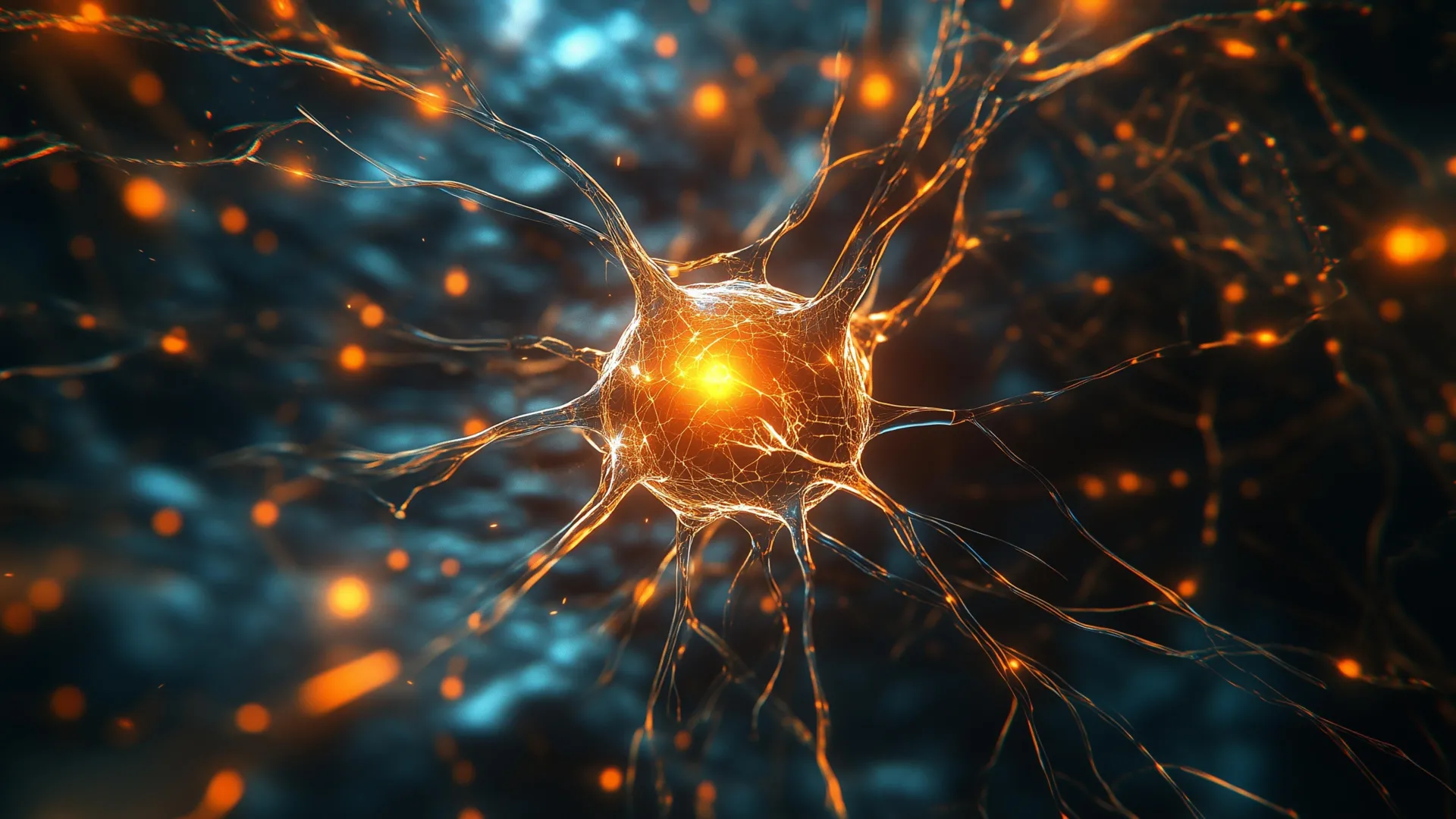
Researchers at the University of California, Riverside have proposed that Alzheimer’s disease may start inside neurons when amyloid beta interferes with tau, a protein needed to keep brain cells working. The idea matters because it shifts attention from the familiar plaques seen in Alzheimer’s brains to an earlier disruption in the cell’s internal transport system.
The study, published in PNAS Nexus, argues that amyloid beta and tau may compete for the same structures inside nerve cells. According to UCR, that competition could prevent tau from doing its normal job and set off damage that later appears as the disease’s better-known protein buildups.
Alzheimer’s research has long focused on amyloid beta, which forms clumps in the brains of people with the disease. UCR said that focus was reinforced by inherited mutations that raise amyloid beta levels and can cause early onset Alzheimer’s.
But UCR also noted that many trials aimed at clearing amyloid beta have not stopped or reversed the disease. Researchers have also known that tau collects in Alzheimer’s brains, though the connection between tau and amyloid beta has remained unresolved.
Ryan Julian, a UCR chemistry professor and lead author of the study, said an Alzheimer’s diagnosis requires both amyloid beta and tau buildup in the brain in addition to dementia. He said many laboratories have studied one of the proteins while paying less attention to the other.
How the proteins may collide
Tau normally helps stabilize microtubules, which UCR described as tiny tube-shaped structures that act like transport routes inside neurons. Those routes move needed materials through the cell, supporting neuron survival and communication.
The UCR team found that the part of tau that attaches to microtubules closely resembles amyloid beta in size and structure. That similarity led the researchers to test whether amyloid beta could attach to the same cellular structures.
To track the interaction, the scientists added a fluorescent marker to amyloid beta and monitored changes in movement and light emission. UCR said the experiments showed that amyloid beta and tau bind to microtubules with similar strength.
Julian said the work indicates that amyloid beta and tau compete for binding sites on microtubules. He said amyloid beta can stop tau from working as it should.
Under the model proposed by the researchers, amyloid beta buildup inside neurons could knock tau away from microtubules. UCR said that could weaken the cell’s transport network and leave tau prone to clumping or moving into parts of the neuron where it is not usually found.
A link to aging and possible treatments
The researchers also connected the theory to autophagy, the process cells use to remove unwanted proteins, including amyloid beta. UCR said autophagy becomes less efficient with age, which could allow amyloid beta to gather inside neurons and compete more often with tau.
The study also points to earlier findings on lithium. UCR said some recent studies have reported a lower risk of Alzheimer’s among people associated with lithium exposure, while earlier work found that lithium can help stabilize microtubules.
If confirmed by further studies, the findings could affect how researchers design Alzheimer’s treatments. UCR said one possible strategy would be to target the interaction between amyloid beta and microtubules, rather than concentrating only on removing protein clumps.
Another approach, according to the researchers, could be strengthening the cell’s ability to clear amyloid beta before it builds up inside neurons. Julian said the proposed mechanism brings together observations that had previously seemed disconnected and may point to new starting points for treatment research.
This story draws on original reporting from ScienceDaily.