
Takeaway salt labels often understate levels, UK study finds
University of Reading researchers found 47% of tested takeaway meals had more salt than stated, with pasta, pizza and curry among higher-salt options.
By Priya Raghavan · Science Reporter
2 min read
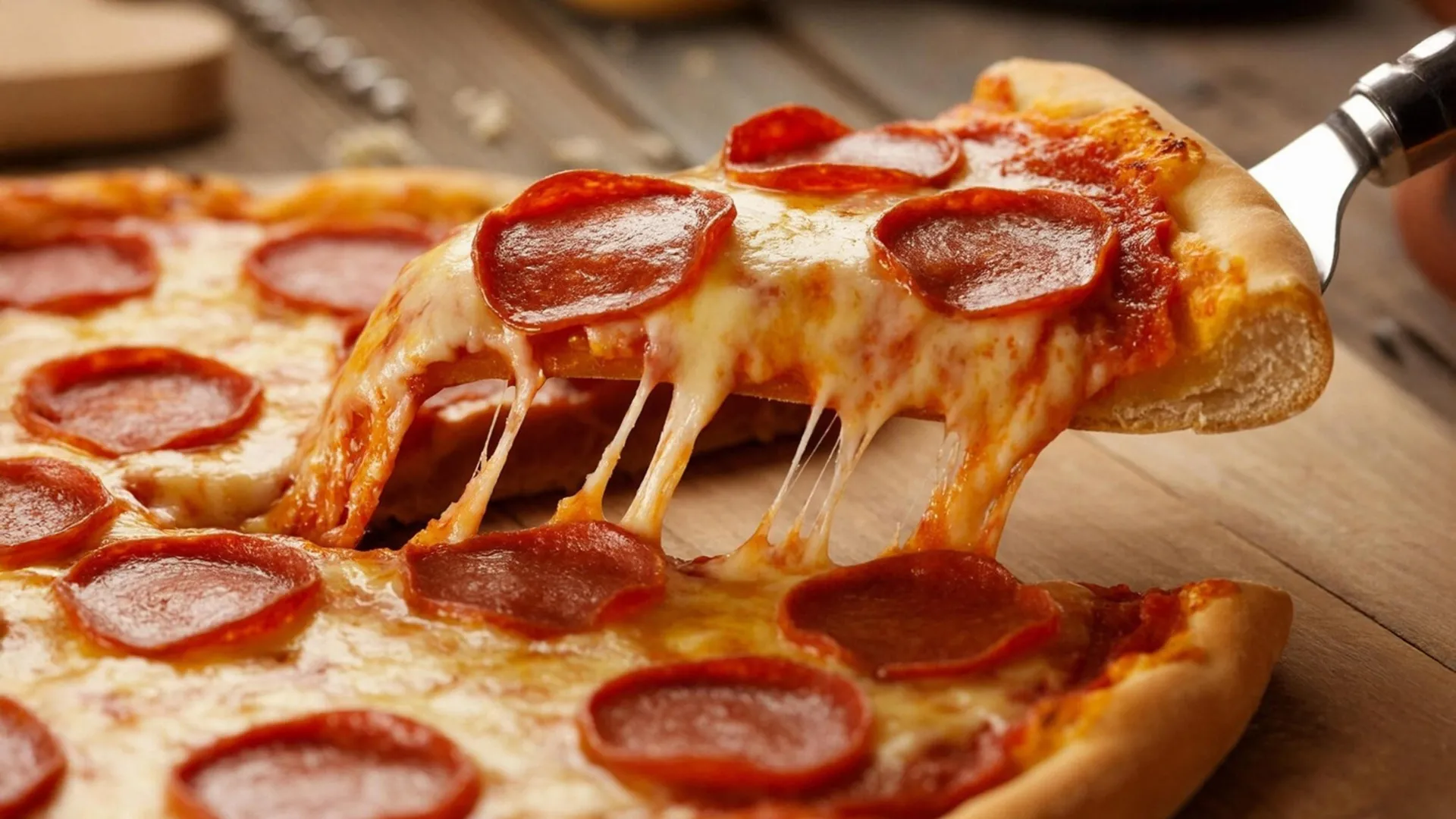
Many takeaway meals sold in Reading contained more salt than their menu information suggested, according to University of Reading research. The findings matter because some dishes tested exceeded the UK adult recommended daily salt intake in one serving.
The study, published in PLOS One, examined 39 takeaway meals bought from 23 sites in Reading, including national chains and independent outlets. Researchers found that 47% of foods tested had higher salt content than the value listed for customers.
The UK recommended daily salt intake for adults is 6 grams. The University of Reading said some meals from independent restaurants contained more than 10 grams in a single serving, and one pasta dish tested contained 11.2 grams.
Pasta, pizza and curry stood out
The research team reported differences both between types of meals and within similar dishes. Pasta dishes had the highest average salt per serving at 7.2 grams, above the UK adult daily recommendation.
Meat pizzas had the highest salt concentration, at 1.6 grams per 100 grams, according to the study. Curry dishes varied widely, ranging from 2.3 grams to 9.4 grams of salt per serving.
Fish and chip shop chips were among the lowest-salt items tested. The University of Reading said these chips contained 0.2 grams of salt per serving, compared with an average of 1 gram for chips from other takeaway outlets, because salt is usually added after cooking and only when requested.
Professor Gunter Kuhnle, who led the work at the University of Reading, said the researchers began the study because they suspected menu salt figures were often unreliable. He said restaurants face difficulty giving exact numbers without measuring each meal, as preparation methods, ingredients and portion sizes vary.
Kuhnle said menu labels can help customers choose food, but the study showed they should be treated as estimates rather than precise measurements. The University of Reading said not every restaurant listed salt information, limiting what customers can compare before ordering.
Public health concern
The World Health Organization estimates that high salt consumption contributes to 1.8 million deaths worldwide each year. The Reading study focused on takeaway food and did not measure consumers’ total daily intake.
The paper, titled “Variability in sodium content of takeaway foods: Implications for public health and nutrition policy,” was written by Alexandra Irina Mavrochefalos, Andrew Dodson and Gunter G. C. Kuhnle. It appears in the 2026 volume of PLOS One.
The University of Reading said the results contrast with recent salt-reduction efforts in packaged foods sold in shops. Its researchers said eating out can still deliver high salt levels, even when menu information suggests a lower amount.
This story draws on original reporting from ScienceDaily.