
Miami-Dade climate plans need better coordination, study finds
University of Miami researchers found local resilience plans often respond well to residents but countywide efforts lack shared tracking and coordination.
By Lucas Ferreira · Science & Environment Writer
3 min read
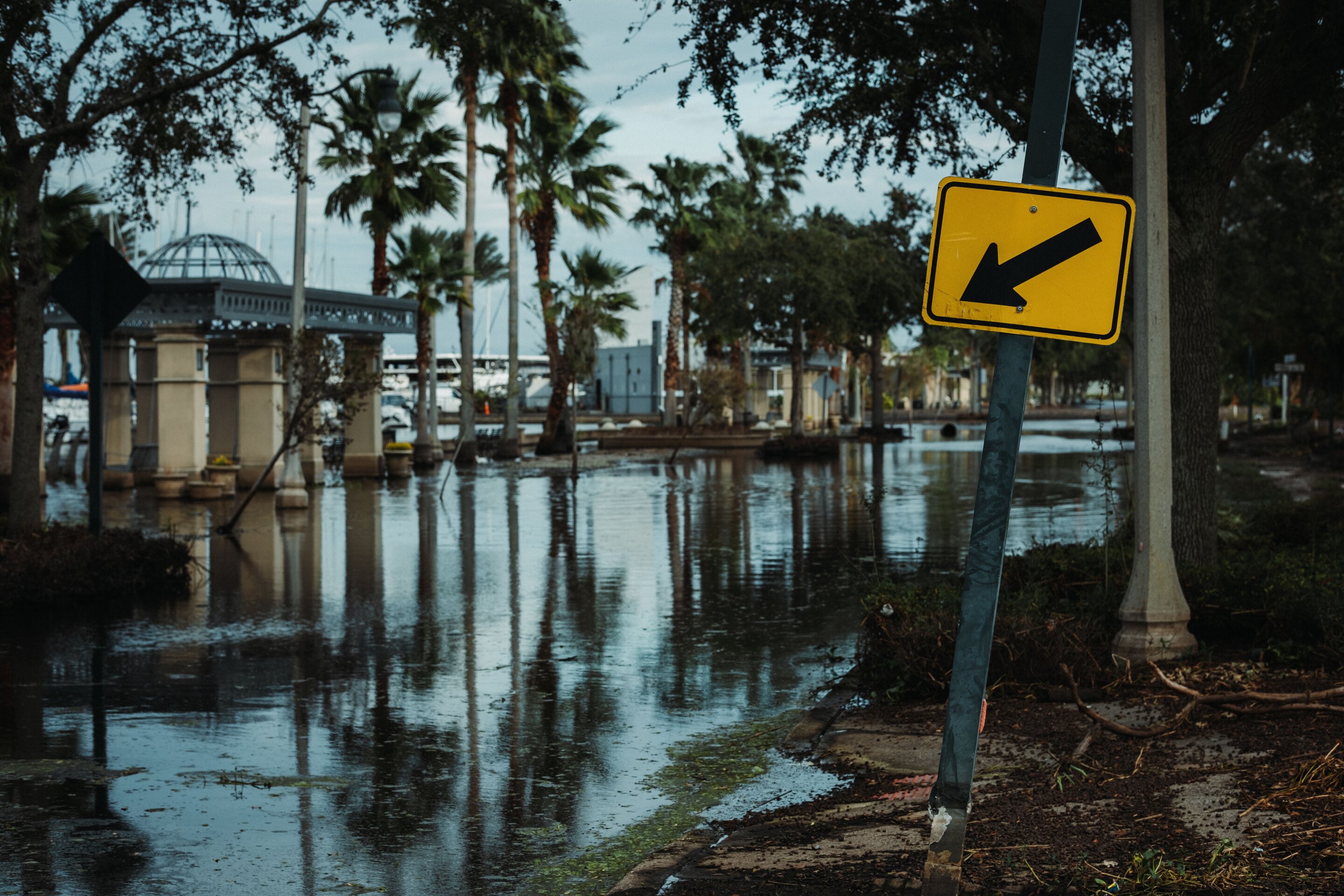
A University of Miami study found that Miami-Dade County has many climate resilience plans, but they are not tied together well enough to guide a unified long-term response. The finding matters in a county facing flooding, sea level change, hurricanes, extreme heat and other climate-related risks.
The study, published in Sustainable Cities and Society, reviewed 37 plans created at regional, county, municipal and neighborhood levels, according to the University of Miami. The plans covered actions and investments involving flood control, coastal protection, infrastructure, transportation and land use.
Sarbeswar Praharaj, an assistant professor in the university’s Department of Geography and Sustainable Development, conducted the study with Shouraseni Sen Roy, a professor in the same department, and three students. Praharaj also directs the university’s M.P.S. in Urban Sustainability and Resilience Program.
Praharaj said the team spent more than a year studying how the plans relate to one another, rather than reviewing each document on its own. He said Miami-Dade has a broad set of plans that can support resilience, but the research focused on whether that planning system works as a connected network.
Flooding and coastal protection dominate
The researchers found that flood resilience and protection of coastal environments appear most often among the plans’ top goals, according to the University of Miami. Common proposals included adding green space and parks, improving canals and drainage, raising roads, strengthening stormwater systems and building flood barriers.
Praharaj said some plans also call for nature-based measures, including mangrove restoration, to help reduce storm surge impacts while supporting ecosystems. The study found, however, that similar goals across plans did not necessarily produce coordinated action.
According to Praharaj, many plans still function in separate administrative tracks. The researchers found limited coordination among agencies and planning efforts, as well as few tools for measuring how one plan’s actions affect other plans or create benefits across sectors.
The study also found that public health, social equity and the needs of vulnerable residents received less emphasis than physical infrastructure projects, according to the University of Miami. The researchers said that imbalance could weaken resilience efforts in communities most exposed to climate hazards.
Neighborhood plans performed strongly
The study found that some neighborhood-level plans scored better than broader plans on community responsiveness and implementation. The University of Miami identified the Flood Mitigation Plan of Cutler Bay and the Little River Adaptation Plan as examples of local plans that were more closely tied to residents’ needs and included stronger stakeholder involvement.
Mirna Obeid, a fifth-year student in the School of Architecture who worked on the study, said Miami faces many environmental pressures and is among the cities most vulnerable to a changing climate. She said the city needs a responsive long-term plan to address climate hazards.
The researchers recommended that Miami-Dade shift from separate planning efforts toward a more coordinated planning network. Praharaj said stronger collaboration across agencies and better systems for monitoring and evaluation would help local governments get more value from resilience spending.
Praharaj said communities do not lack ideas; the harder task is making plans from different agencies and jurisdictions work together and adjust as conditions change. The University of Miami said the evaluation framework could also help other coastal cities assess how their resilience plans interact.
The research team is sharing its findings through stakeholder meetings, social media and community networks, according to the university. The team is also developing a centralized platform to combine information on resilience plans, projects and investments so local governments can better coordinate work and track progress.
This story draws on original reporting from Phys.org.