
Review finds supplements offer little fall or fracture protection
A BMJ analysis of 69 trials found calcium and vitamin D supplements did not meaningfully cut falls or fractures for most older adults.
By Priya Raghavan · Science Reporter
3 min read
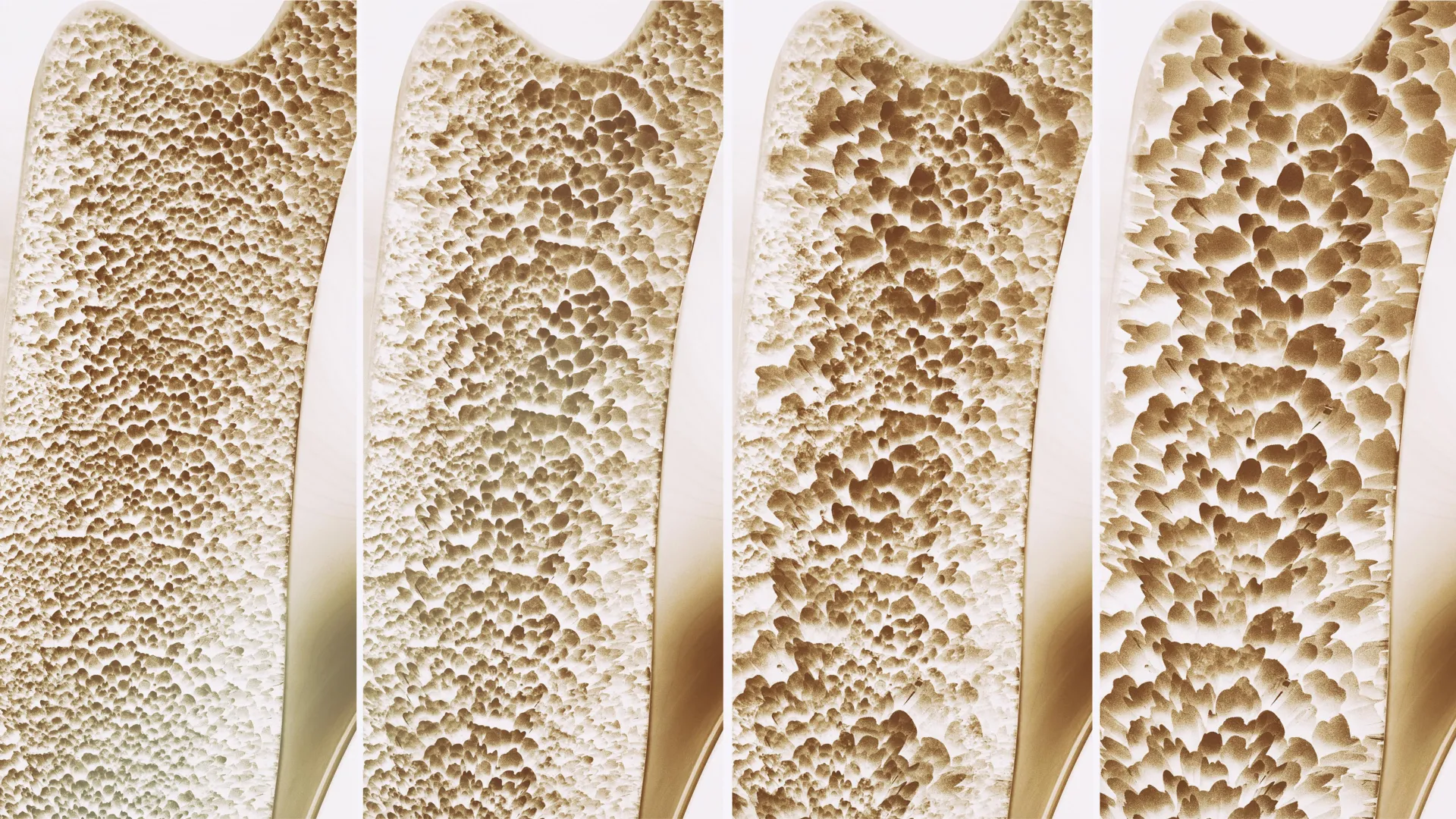
Calcium and vitamin D supplements appear to do little to prevent broken bones or falls in most older adults, according to a large review published in The BMJ. The finding challenges a common bone-health practice used by many older people and recommended in some clinical guidance.
The BMJ Group said researchers in Canada examined 69 randomized controlled trials that together included 153,902 adults. The trials tested calcium, vitamin D, or the two supplements together against placebo or no treatment, with researchers assessing whether the supplements reduced fractures or falls.
Falls are a major risk for older adults. According to the BMJ Group, nearly one in three people aged 65 and older falls each year, and some falls cause fractures that can bring pain, loss of independence, poorer quality of life and, in some cases, long-term residential care.
Large trial review found little effect
The review evaluated the quality of the evidence and the risk of bias in the underlying trials using established methods, according to the BMJ Group. The researchers also set thresholds for what would count as a benefit large enough to matter clinically.
For overall fracture prevention, the researchers found little or no clinically meaningful reduction from calcium supplements, based on moderate-certainty evidence from 11 trials with 9,067 participants. They reached a similar conclusion for vitamin D, drawing on high-certainty evidence from 36 trials with 92,045 participants.
The combined use of calcium and vitamin D also showed little or no meaningful reduction in overall fracture risk, according to high-certainty evidence from 15 trials involving 51,126 participants. The BMJ Group said the review also found little or no benefit for specific fracture types, including hip fractures, or for preventing falls.
The researchers said some parts of the analysis had fewer trials and participants, so those results should be read with caution. They also said the findings may not apply to people with certain bone diseases or to patients being treated with osteoporosis drugs.
Recommendations may face new scrutiny
The results were broadly consistent after the researchers accounted for factors including age, sex, past fractures, past falls and average calcium intake from food, according to the BMJ Group. The authors said that consistency added weight to their conclusions.
Olivier Massé and colleagues concluded in The BMJ that the evidence does not support routinely using calcium, vitamin D or the two together to prevent falls and fractures. They also said clinicians, guideline writers and regulatory agencies should revisit broad recommendations for these supplements in light of current evidence.
The BMJ Group said earlier reviews had already raised doubts about the value of calcium and vitamin D for fracture prevention. Evidence for the two supplements together had been mixed, and vitamin D’s effect on falls had remained uncertain.
A linked editorial in The BMJ said better and larger trials are still needed for groups at higher risk of falls or fractures. Until stronger evidence is available, the editorial authors said resources may be better spent on approaches with proven benefit, including balance training, resistance exercise and personalized fall-prevention programs that combine exercise, home or hazard assessment and education tailored to a person’s risks.
This story draws on original reporting from ScienceDaily.