
Study challenges free-love stereotype of communal living
A Finnish researcher says commune residents often treat sexuality cautiously, despite enduring assumptions that shared housing is sexually permissive.
By Priya Raghavan · Science Reporter
3 min read
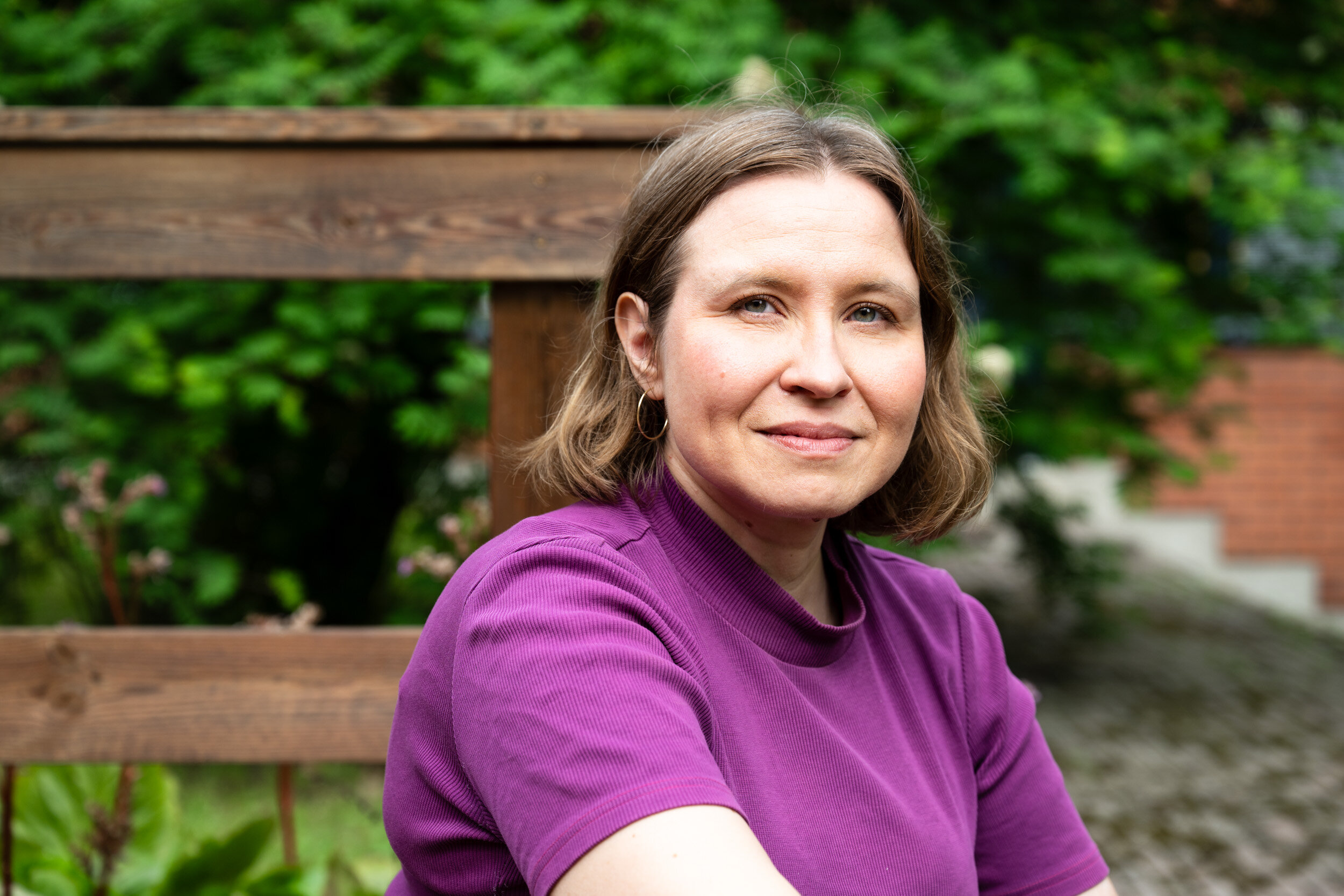
Communal housing is still often linked with “free love,” but a University of Eastern Finland researcher says her work points to a more restrained reality. Anna Heinonen, a postdoctoral researcher studying sexuality and gender in Finnish communes, says residents sometimes feel compelled to state that their housing choice is not sexual.
According to Heinonen, people in communes know the stereotype remains familiar and want to correct it. Her preliminary findings suggest sex is part of shared-home life in much the same way as other private activities, but it can also create unease because residents live in close contact.
Close quarters make privacy harder
Heinonen has previously studied intimacy in friendships and roommate relationships in Finnish communes and shared flats. She said she began focusing on gender and sexuality because the subject has received limited research attention.
For the current work, Heinonen sought participants through social media channels connected to communal living. More than 120 people in Finland who live in communes answered an anonymous survey, according to the University of Eastern Finland.
Heinonen said home life gives housemates detailed knowledge of one another’s routines, including bathroom and shower habits. That closeness means sexuality can be present in roommate relationships even when residents define those relationships as nonsexual.
Some respondents reported changing their sexual behavior because they were aware of housemates nearby. Heinonen said examples included having sex quietly or going to a partner’s home, and she noted that hearing sexual sounds through walls is more complicated when the people involved share daily life and meet face to face afterward.
Romance can alter group balance
Heinonen said respondents were wary of romantic relationships between housemates. In her account, many communes depend on an idea that residents relate to one another on equal terms, and a couple may disturb that balance through private time together or visible affection.
She said communal living differs from more established household models because roles and expectations are often negotiated case by case. How a commune handles relationships depends on who lives there, how they get along and what they can agree on, according to Heinonen.
The research also looks at sexuality as part of identity. Heinonen said some interviewees reported that their understanding of their sexuality had broadened while living in a commune, including through new emotions or willingness to try different things.
At the same time, the University of Eastern Finland said respondents described ordinary shared life and nonsexual closeness as meaningful. Some residents said communal living gave them a sense of family and reduced pressure to seek a romantic relationship.
Gender roles are next focus
Heinonen’s next research steps include a closer look at gender, including whether chores in communes follow traditional gender patterns. She said earlier sociological research from the 1980s found that conventional gender roles persisted in communes, suggesting that such roles are tied to broader gendered structures rather than only to the nuclear family.
She also noted that communes may have practices that support equality, such as cleaning rosters. That makes shared housing a useful setting for studying how gender expectations are reproduced or challenged in everyday life, according to the university.
Heinonen’s data show that many commune residents choose the arrangement intentionally. She said 90% of respondents reported that communal housing was a deliberate choice rather than a result of financial pressure, though lower rent or other savings may still be a benefit.
The university said commune residents are most commonly young adults ages 18 to 35, while the arrangement appears to be gaining interest among older people. Heinonen said her data suggest age 35 functions as a social dividing line, when pressure grows to match peers’ expected life stage and middle-class economic norms.
This story draws on original reporting from Phys.org.