
Oyster study finds stable marine viruses despite bacterial gene swapping
Researchers used oysters from France’s Bay of Brest to track bacteria and bacteriophages over four years, reporting surprising viral stability.
By Tom Brennan · Health & Medicine Correspondent
3 min read
Researchers at the Université de Montréal say oysters can act as living recorders of marine microbial life, concentrating bacteria and viruses as they filter seawater. In a four-year study published in Nature Communications, the team reported that some bacteriophage populations stayed stable even as their bacterial hosts showed strong genetic activity.
The work focused on bacteriophages, viruses that infect bacteria, and on Vibrio crassostreae, a marine bacterium in the Vibrio genus. According to the University of Montreal, the finding ran counter to expectations because tides, water movement and ecological pressures in open coastal waters would normally suggest fast turnover in viral communities.
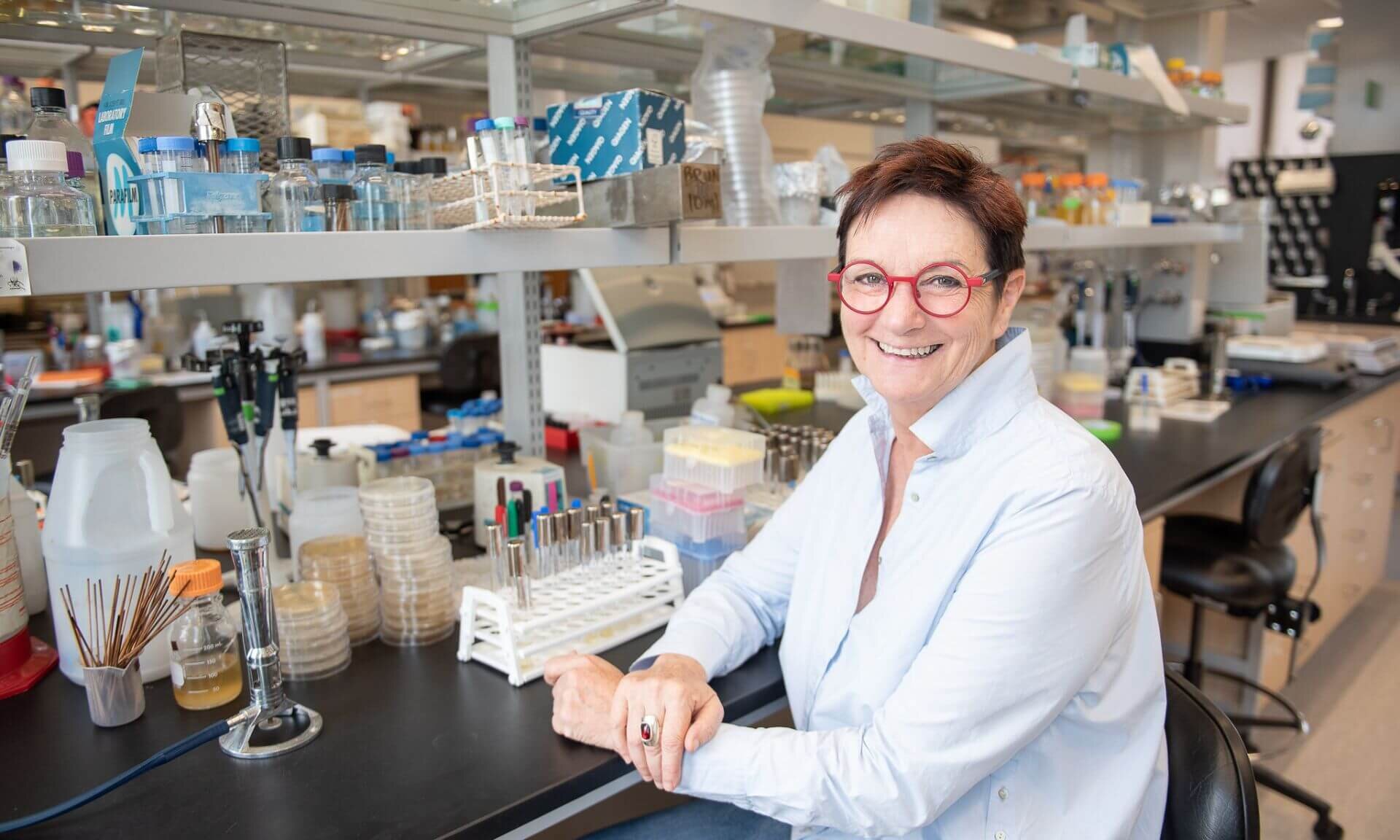
Frédérique Le Roux, a professor in the university’s Department of Microbiology, Infectious Diseases, and Immunology, led the study at the Institut Courtois d’innovation biomédicale. Le Roux said the oyster is more than a farmed food species and can serve as a research tool for studying microbial diversity, abundance and interaction.
The study compared samples from an oyster farm in the Bay of Brest in northwestern France, taken four years apart. Jeffrey Liang, a postdoctoral fellow in Le Roux’s lab and co-first author of the paper, carried out the comparison to examine how microbial communities change outside tightly controlled laboratory settings, according to the university.
Large dataset from a coastal ecosystem
The researchers analyzed more than 1,000 bacteriophages and 600 genomes of Vibrio crassostreae. The University of Montreal described the resulting collection as one of the most complete datasets assembled for this kind of animal-associated marine ecosystem.
Le Roux’s group worked with researchers in France at the Institut Pasteur, the Roscoff Biological Station, which is affiliated with Sorbonne Université and the Centre national de recherche scientifique, and the Institut français de recherche pour l’exploitation de la mer.
The team found that oysters support horizontal gene transfer, a process in which bacteria exchange DNA directly with one another. Le Roux said that type of exchange can drive bacterial evolution faster than mutation because it allows genes linked to adaptation, resistance and survival to spread among microbes.
Despite that rapid movement of genetic material in bacteria, some bacteriophage populations did not shift as much as the researchers expected. Le Roux said the stability was surprising in a marine setting marked by constant water movement and strong evolutionary pressure.
Potential use as ecosystem sentinels
The researchers said oysters could help scientists track microbial change in coastal waters because they gather organisms from the surrounding environment into a small biological space. Le Roux said the finding could help improve predictions of how microbial communities respond to environmental change.
The University of Montreal said Le Roux’s team is preparing related work in Quebec’s Chaleur Bay, off the Gaspé Peninsula. That project will follow selected Vibrio species to better understand how climate change affects those marine environments.
The paper, “Complex temporal dynamics of phage-bacteria populations in an animal-associated marine system,” was published in Nature Communications. The listed authors include Jeffrey Liang and colleagues, with the DOI 10.1038/s41467-026-71398-9.
This story draws on original reporting from Phys.org.