
Stanford-backed platform aims to help migrant tuna fishers track pay
IKAN is designed to help Indonesian migrant fishers on Taiwan-flagged tuna vessels understand contracts, monitor wages and seek support.
By Tom Brennan · Health & Medicine Correspondent
3 min read
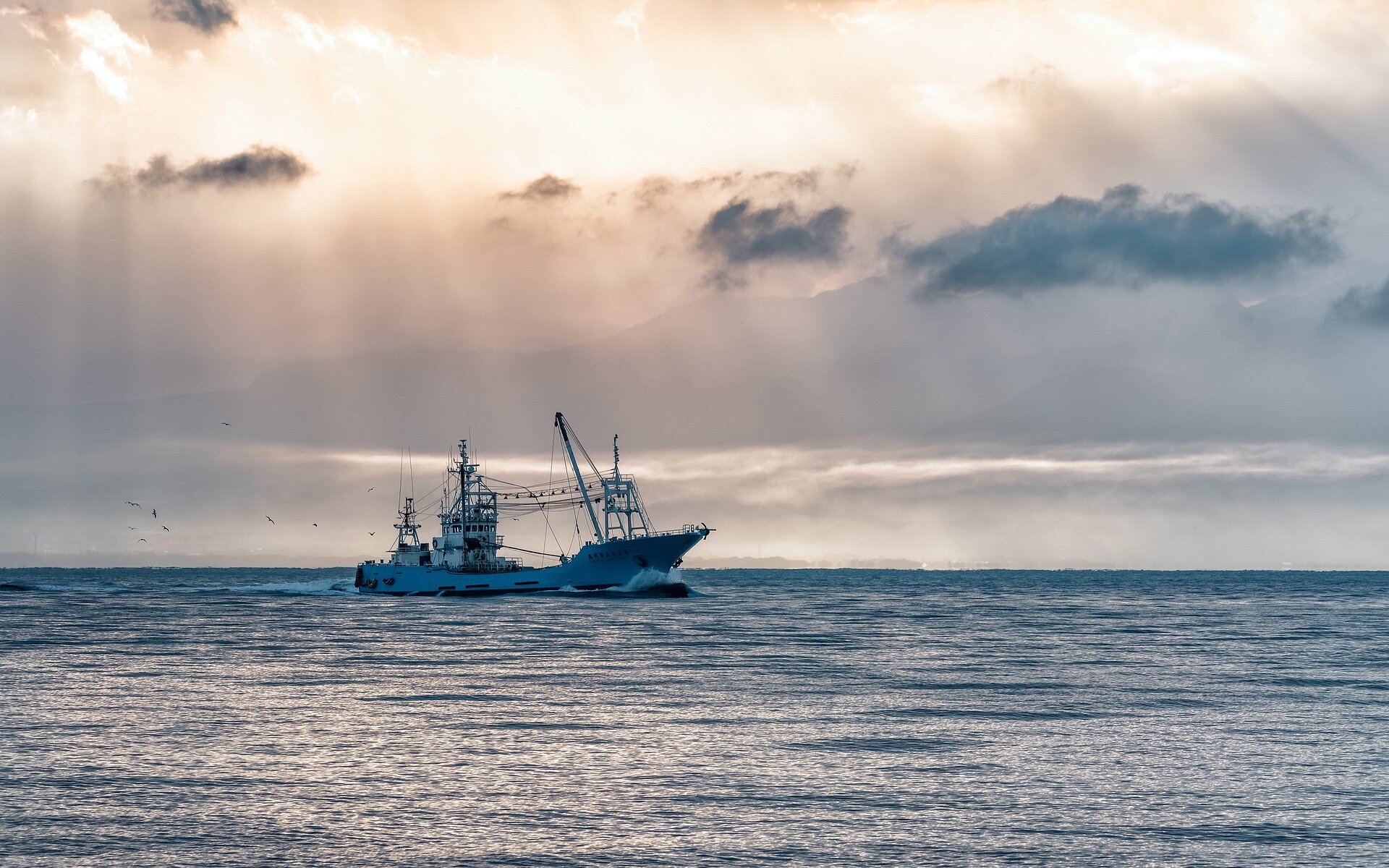
A Stanford-led collaboration has built a digital platform meant to help migrant fishers track whether employers honor pay and contract terms. The tool, called IKAN, targets a labor-risk point in seafood supply chains where researchers and advocates say wage abuse can connect to broader exploitation.
Stanford University said the project began after the International Seafood Sustainability Foundation asked Stanford’s Center for Ocean Solutions in 2020 to identify priorities for addressing social sustainability in seafood supply chains. After several years of work with partners, the effort produced IKAN, a platform for fishers to review rights information, follow contract terms and find support when problems arise.
IKAN currently serves Indonesian migrant fishers working aboard Taiwan-flagged tuna fishing vessels, according to Stanford. The university said the platform was built with enough flexibility to be adapted for other migration routes and fisheries facing similar issues.
The project brought together researchers at Stanford’s Center for Ocean Solutions and the Stanford Center for Human Rights and International Justice. Stanford said seafood companies, civil society groups including the Indonesia Ocean Justice Initiative, and technology builder FiftyEight also contributed.
Stanford said the platform’s design was shaped through discussions with Indonesian and Taiwanese government officials as well as with fishers. Anissa Yusha Amalia of the Indonesia Ocean Justice Initiative said fishers repeatedly raised concerns about whether they would be paid what they had been promised, what contract language meant before signing, and where to find dependable information if trouble developed.
Yusha Amalia said those conversations guided the design of IKAN. She said wage problems often appeared alongside wider forms of labor and human rights abuse, making pay a practical starting point for addressing mistreatment in the fishing industry.
Pay tracking as an accountability tool
Jessie Brunner, director of human trafficking research at Stanford’s Center for Human Rights and International Justice, said the project aims to connect the needs and incentives of different parties across the seafood supply chain in support of safer and fairer working conditions. She said the team identified timely and complete payment, along with contract terms that align with international standards, as early priorities.
Stanford described IKAN as a way to help fishers understand their rights and monitor whether employment terms are being met. The university did not describe the platform as a law enforcement tool or report results from a formal rollout.
Liz Selig, managing director of the Center for Ocean Solutions, said labor conditions at sea are linked to the condition of fisheries. According to Selig, overharvested fisheries can require crews to remain at sea longer to catch the same amount of fish, making profitability harder.
Selig said fuel and labor are the two largest fishing costs, and those pressures can raise the risk of wage abuse. She said labor abuse can then help keep overharvesting going, creating a cycle that harms both workers and marine ecosystems.
Brunner said her work on the issue has been shaped by an earlier interview with an Indonesian fisher who had been trafficked to South Africa. She said the man described fear and isolation while far from home and facing harsh conditions in distant-water fishing.
Stanford said IKAN grew from years of collaboration across research, business, civil society and government contacts. Its first focus is narrow: migrant Indonesian workers in one tuna-fishing corridor, with the broader goal of improving accountability where seafood labor risks can be hard to see.
This story draws on original reporting from Phys.org.