
SpaceX’s orbital AI data center plan faces hard engineering limits
The Conversation says space-based data centers could ease pressure on Earth systems, but heat, repairs, debris and launch costs remain major barriers.
By Priya Raghavan · Science Reporter
4 min read
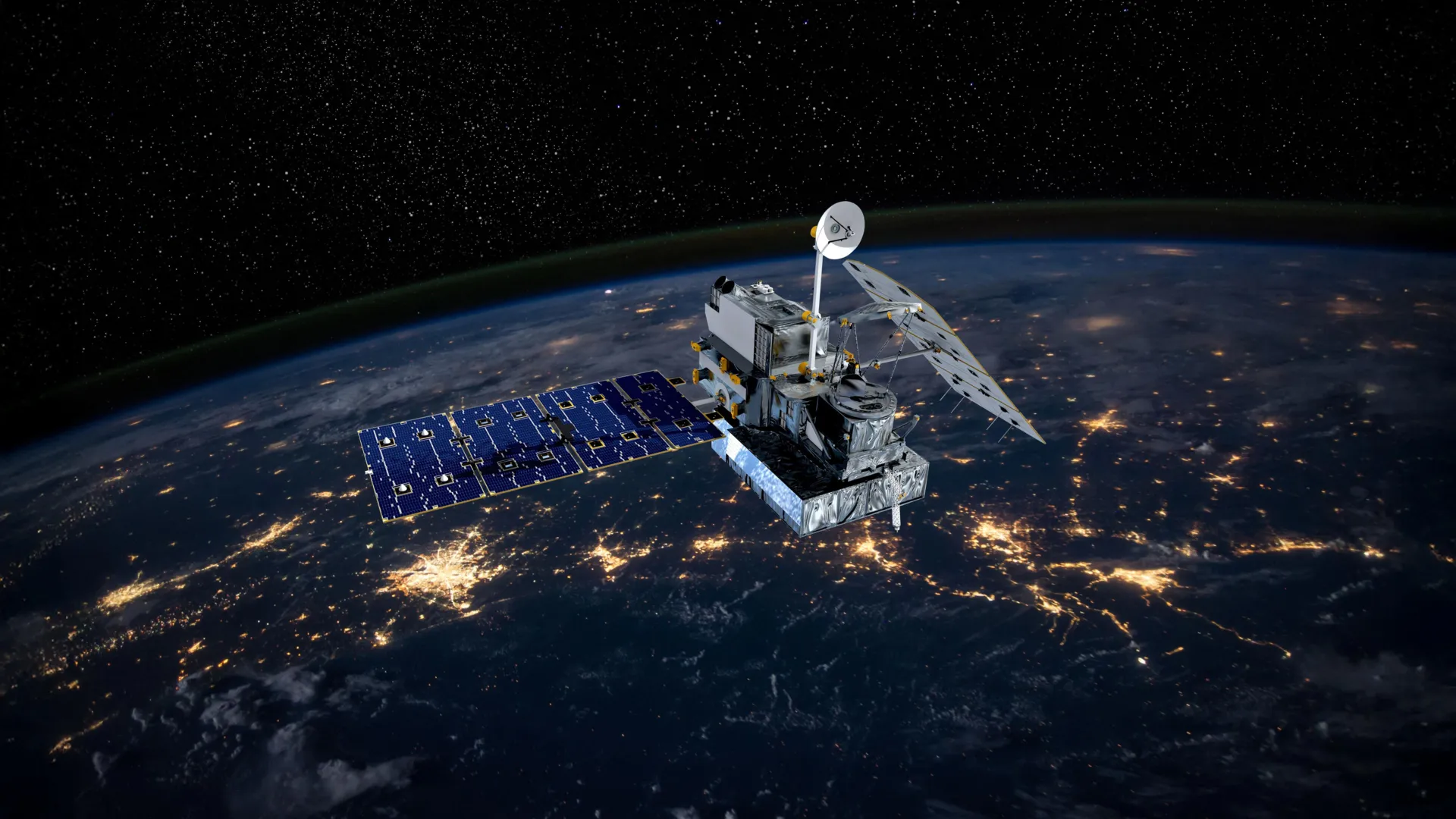
SpaceX has outlined a plan for an AI computing satellite as companies look beyond Earth for data center capacity, according to The Conversation. The idea could help address rising AI power demand, but engineering professors Sven Bilén and Wangda Zuo said operating large computing systems in orbit remains far harder than launching satellites.
The Conversation said SpaceX is among several companies exploring orbital data centers, a concept drawing investor attention as space firms pitch broader commercial networks in orbit. The appeal is clear: space offers steady access to sunlight, avoids local fights over land and water, and could place computing near satellites and other space assets.
Power is only one part of the problem
Bilén and Zuo said Earth-based data centers rely on more than servers. They need electricity, cooling systems, buildings, backup power, water systems, communication links and regular maintenance access.
AI is increasing demand for computing power, and that raises pressure on electric grids, according to The Conversation. Data centers also face local opposition over energy and water use, land needs, noise and environmental effects.
In orbit, solar panels would provide power, and clouds would not block the sun, Bilén and Zuo said. Depending on the orbit, however, Earth could still cast the panels into shadow for part of each trip around the planet, and current top solar cells convert only about half the sunlight that reaches them into electricity.
Cooling gets harder in a vacuum
The Conversation said cooling is one of the largest hurdles. On Earth, nearly all electricity used by servers turns into heat, and facilities rely on equipment such as chillers, air handlers, pumps, cooling towers and liquid-cooling systems to remove it.
Space is cold, but it has no air to carry heat away from equipment, Bilén and Zuo said. Heat must leave through infrared radiation, a slower process that requires large radiator panels.
The authors said removing 10 megawatts of waste heat could require radiator area comparable to two football fields. That area would come in addition to the large solar arrays needed to power the system.
Repairs, debris and upgrades add risk
The Conversation said a space data center, along with its radiators and solar panels, could not be launched as a single complete unit. It would need assembly in orbit, requiring equipment for in-space servicing, construction and manufacturing.
Maintenance would also be difficult. Bilén and Zuo said Earth-based operators commonly replace or upgrade data center hardware every three to five years as chips improve, workloads shift and components age.
In orbit, replacing failed or outdated hardware could be difficult or too costly, The Conversation reported. If a space-based platform cannot be refreshed, it could become outdated before its broader structure reaches the end of its useful life.
Radiation, near-vacuum conditions and repeated swings between sunlight and Earth’s shadow would also stress electronics, according to Bilén and Zuo. Orbital debris and micrometeorites pose another threat because impacts could puncture equipment, and a severe collision could create more debris.
The Conversation also noted that launch activity itself can bring local opposition. It cited protests linked to SpaceX operations at Boca Chica, Texas, where activists have argued that rocket testing and launches harm the surrounding environment.
Early uses may stay close to space
SpaceX has announced a design for its AI1 Compute Satellite, which it hopes to use as an orbital data center spacecraft, The Conversation said. Bilén and Zuo said that design would be 100 to 1,000 times less capable than data centers now operating on Earth.
The authors said many common data center jobs depend on fast response times and close links to users. Financial transactions, interactive AI tools and most cloud services are highly sensitive to delay.
More practical first uses may involve space-related computing, according to The Conversation. Bilén and Zuo cited satellite Earth-observation processing, military or intelligence work, scientific computing for space missions, and services for satellites or other space assets as possible early applications.
This story draws on original reporting from ScienceDaily.