
IOC provisionally lifts Russia suspension from Olympic competition
The decision could allow Russian athletes to compete under their flag at the 2028 Los Angeles Games, though major limits remain.
By James Whitfield · Staff Writer
3 min read
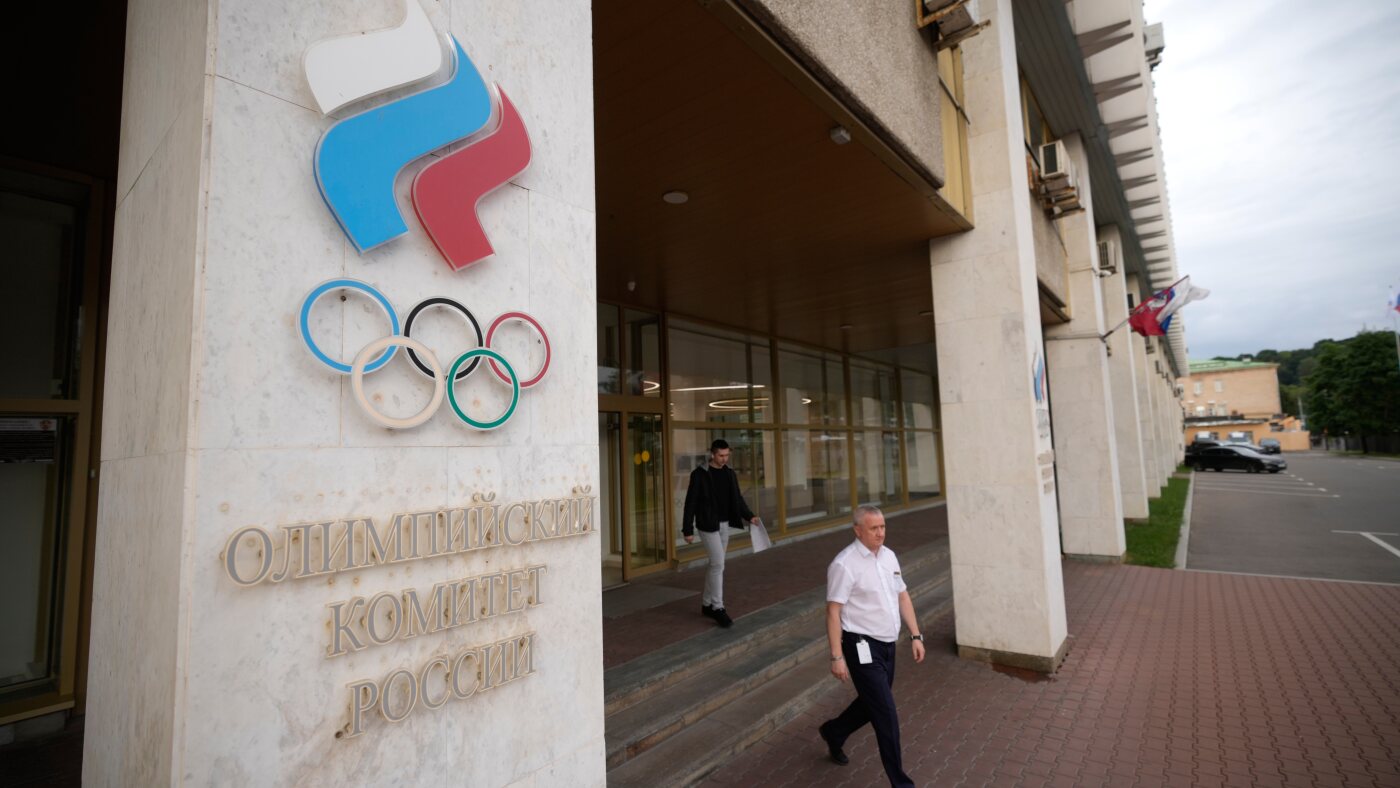
The International Olympic Committee has provisionally ended its suspension of Russia’s Olympic body, creating a route for Russian athletes to return to the Games as full national competitors. The move matters because it could reshape participation at the 2028 Los Angeles Olympics while Russia’s war in Ukraine and past doping cases remain unresolved points of conflict.
The IOC said Tuesday that Russia had addressed the legal issue behind its latest suspension: the Russian Olympic Committee’s links to sports organizations in four Ukrainian territories occupied by Russia and claimed by Moscow in 2022. The IOC said it would keep watching conditions in Russian-occupied Ukrainian territory and could take further action if needed.
The decision rolls back restrictions tied both to Russia’s state-backed doping scandal after the 2014 Sochi Winter Games and to the Kremlin’s full-scale invasion of Ukraine in 2022, according to NPR. Russian athletes have been allowed into some recent Olympic events only as neutral competitors, without Russian teams, the national flag or the anthem.
The IOC said those symbols will remain barred until what it called the appropriate time. It also left individual international sports federations to decide whether Russian athletes can return in specific events, leaving open the possibility that Russia could be admitted in some sports while remaining restricted in others.
Moscow welcomes ruling
Russian officials praised the decision. Kremlin spokesman Dmitry Peskov said Wednesday that the IOC had taken an important step toward restoring what he described as Russian athletes’ lawful right to compete internationally.
Russian Sports Minister Mikhail Degtyaryov called the ruling a “green light” for international federations to bring Russia back into what he called the Olympic family. Degtyaryov said more work would be needed with sports organizations, but he described the IOC’s position as a signal that the Olympic movement should stay outside politics.
The IOC said its opposition to Russia’s invasion of Ukraine had not changed. Russian government officials remain barred from Olympic events, and IOC policy still excludes Russia from hosting international sporting competitions.
Ukraine objects
Ukraine’s Foreign Ministry condemned the move, calling it a troubling signal to the international community. The ministry urged sports federations to keep Russia barred while Moscow’s unprovoked war continues.
The timing sharpened the backlash in Kyiv, where residents were mourning dozens of people killed in Russian missile strikes on apartment buildings earlier in the week, according to NPR. Ukrainian skeleton racer Vladyslav Heraskevych told NPR the decision was “wrong” and “shameful.”
Heraskevych was disqualified from the Milan Cortina Games after wearing a helmet showing images of Ukrainian athletes killed since Russia launched its full-scale invasion in February 2022, NPR reported.
Doping scrutiny remains
The IOC also addressed Russia’s doping history, saying Russian athletes would face multiple tests before approval to compete. The IOC said the International Testing Agency would handle parts of the national anti-doping program, including risk assessment, test planning and results management.
Russia’s RUSADA anti-doping agency has taken steps to reform Russian sport, according to NPR, while Kremlin officials have rejected doping allegations as baseless. The Sochi scandal later undermined Russia’s medal results, and a separate case involving figure skater Kamila Valieva affected the 2022 Beijing Winter Games.
Travis Tygart of the United States Anti-Doping Agency warned that Russia’s return could create another medals dispute at the Los Angeles Games. Tygart told NPR that without proof the problems will not recur, it is difficult to accept Russia’s broad return to competition.
This story draws on original reporting from NPR.