
Calls for shark culls follow Sydney bite, but evidence is mixed
After a Coogee Beach shark bite, Australian officials are weighing culls despite research showing uncertain safety benefits and ecological costs.
By Lucas Ferreira · Science & Environment Writer
3 min read
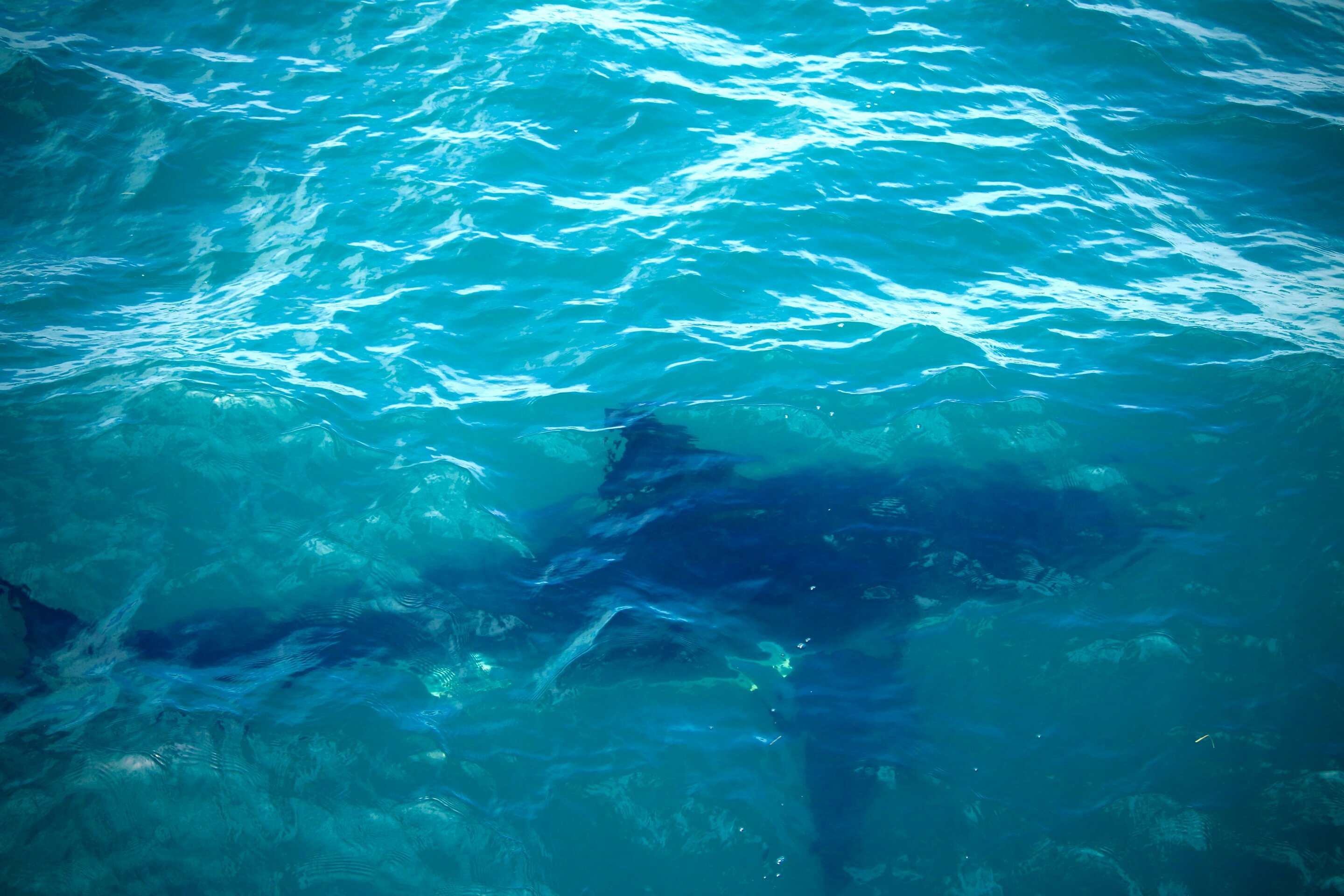
A shark bite at Sydney’s Coogee Beach has revived debate over whether killing sharks makes swimmers safer. Marine researcher Charlie Huveneers, writing in The Conversation, said the available evidence does not show culling as a reliable public-safety tool and points instead to a mix of nonlethal measures.
Leah Stewart, 35, remained in hospital after being bitten on Saturday morning while swimming about 30 meters offshore at Coogee Beach, according to reports cited by The Conversation. The shark was believed to be a 3- to 4-meter great white shark, The Conversation reported.
The incident prompted new political pressure for culling. Federal Liberal Party President Tony Abbott said in a Facebook video that Australia should cull sharks after attacks, allow a commercial shark fishery and “put people before sharks,” according to The Conversation.
New South Wales Premier Chris Minns has said his government is actively considering a bull shark cull after a rise in bull shark bites over summer, The Conversation reported.
What researchers say about bite trends
Shark bites have risen in Australia and worldwide over the past four decades, though they remain rare, Huveneers wrote, citing studies on Australian and global bite data. He said claims of “exploding” shark numbers are often used to explain the increase, but the evidence is more complicated.
Many shark species face global threats, according to Huveneers. Australia’s protections and fishery management have helped vulnerable species such as great white sharks recover and have limited declines in species such as bull sharks, he wrote.
Huveneers said shark recovery or reduced fishing pressure alone is unlikely to explain the rise in bites. In a study published last year, he and colleagues identified 40 factors that have been proposed as affecting shark-bite risk, including population growth, habitat change, poorer water quality, climate change, unusual weather, and shifts in shark and prey distribution.
Because shark bites are uncommon, Huveneers wrote, researchers have limited ability to determine which factors matter most. He said the increase is likely linked to a combination of causes.
Evidence on culls is uneven
Some research has found culling reduced human-shark interactions in certain places, according to The Conversation. Other studies found no change in bite rates after large culling programs.
Huveneers wrote that culling’s effect depends on species and location, and researchers do not know how many sharks would have to be killed before bite risk fell. He cited Hawaii’s shark control program in the 1960s and 1970s, during which 4,668 tiger sharks were killed without a resulting change in shark-bite rates.
Shark nets are also contested. They are intended to catch dangerous sharks near popular swimming areas, but Huveneers said they can also kill nondangerous sharks and other marine animals, including rays, turtles and dolphins. He wrote that there is little evidence that nets keep people safe.
Nonlethal options
Huveneers pointed to area-based measures with lower ecosystem impact, including drone surveillance, SMART drumlines and shark listening stations. He said studies show drone-based warning systems can detect sharks and allow beaches to be evacuated quickly, while SMART drumlines can intercept sharks near shore and allow authorities to tag and relocate them.
Personal protection may also reduce risk. Huveneers cited research finding personal deterrents can reduce shark-bite risk by 60%, even when sharks are in a predatory state, and said bite-resistant materials can reduce the chance of serious injury.
No measure removes all risk except well-maintained swimming enclosures, Huveneers wrote. He argued that a combination of surveillance, nonlethal interception, personal deterrents, protective materials, first-aid training and public education offers the strongest path to reducing both bites and their consequences.
This story draws on original reporting from Phys.org.