
Semaglutide dosing errors tied to rise in poison center calls
UT San Antonio researchers linked the post-2021 surge to accidental mistakes with Ozempic and Wegovy dosing, especially daily use of a weekly shot.
By Tom Brennan · Health & Medicine Correspondent
3 min read
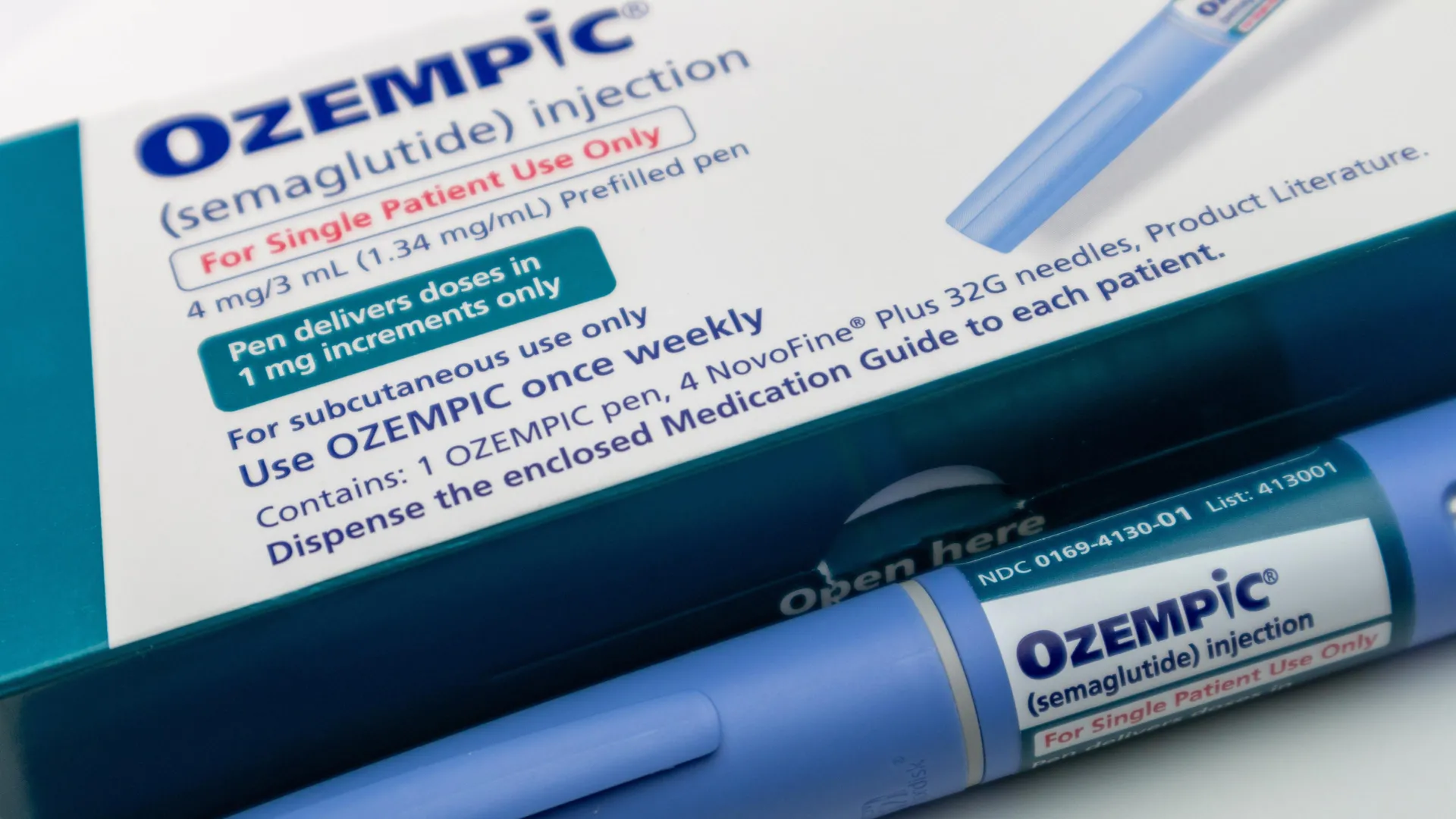
Poison control centers recorded a sharp increase in calls involving GLP-1 receptor agonist drugs after semaglutide was approved for weight management, according to researchers at the University of Texas at San Antonio. The findings point to a preventable safety problem as Ozempic and Wegovy use expanded beyond diabetes care into weight loss treatment.
The study, published in the Journal of Medical Toxicology, examined national poison center trends after the U.S. Food and Drug Administration approved semaglutide for chronic weight management in 2021. UT San Antonio said researchers found that many cases involved accidental dosing errors or therapeutic mistakes, rather than intentional misuse.
Calls rose after weight-loss approval
Before 2021, poison centers typically received about 1,000 to 1,500 calls a year related to GLP-1 receptor agonists, according to the research team. After mid-2021, the annual total nearly doubled, and by 2023 poison centers had logged more than 8,000 GLP-1-related calls.
Jordan Miller, who began the project as an undergraduate at UT San Antonio, worked with David Han of the university’s Department of Statistics and Data Science and researchers from the Long School of Medicine. The team included Robert S. Miller, a senior specialist in poison information, and Shawn M. Varney, medical director of the South Texas Poison Center.
UT San Antonio said the researchers focused on whether the timing of the call increase was linked to the FDA’s expanded approval of semaglutide or whether the rise was coincidental. Their analysis found a clear shift after the drug became available for weight management, with semaglutide standing out among the medications tracked.
Semaglutide was first introduced as a type 2 diabetes treatment. After weight-loss approval, UT San Antonio said use spread to a broader group of patients, creating more opportunities for medication mistakes.
Weekly dosing was often misunderstood
The dosing pattern appears to be a central issue. Semaglutide is meant to be injected once a week, and patients are supposed to start at a low dose that is increased gradually, according to the researchers.
UT San Antonio said two common mistakes in the poison center data were taking the medication every day instead of weekly and beginning treatment at the highest dose rather than following the step-by-step increase. Those errors can turn a prescribed therapy into an avoidable poison center exposure.
Han said the work showed the public health effect of the drugs and the need to turn data into action, according to UT San Antonio. He also said more public education is needed because researchers are still studying how the drug behaves in the body and its long-term safety.
Miller and Han said clearer instruction from prescribers and pharmacists could reduce many of the incidents. The study’s findings were also featured in Significance, the magazine of the Royal Statistical Society and the American Statistical Association.
This story draws on original reporting from ScienceDaily.