
Sea anemone study finds alternate antiviral immune pathway
Researchers say a sea anemone protein that resembles a human immune protein suppresses defenses yet is needed to resist viruses.
By Priya Raghavan · Science Reporter
3 min read
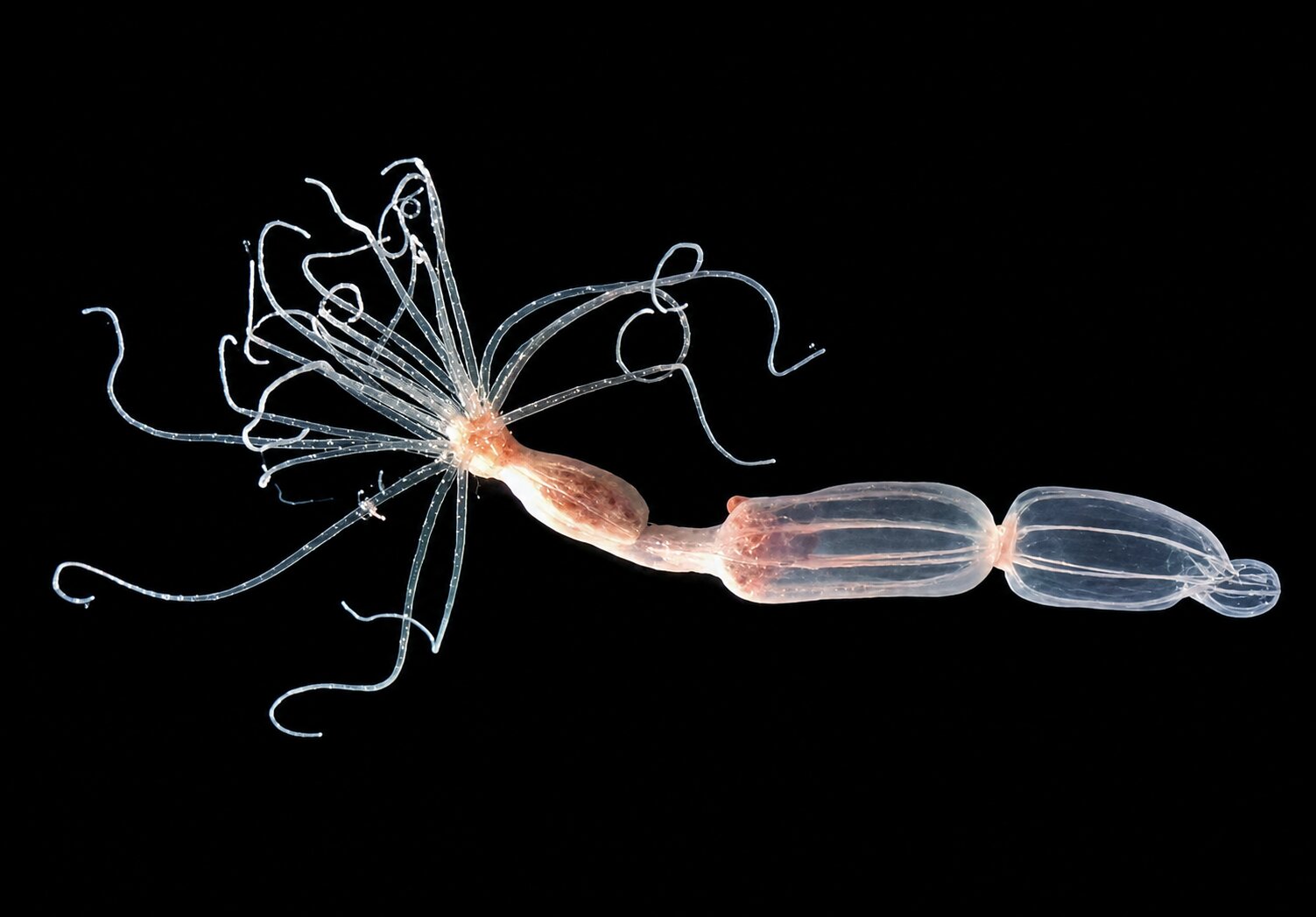
Sea anemones use an antiviral defense system that works differently from the better-known human pathway, according to a study published in Nature Ecology & Evolution. The finding matters because it suggests animal immunity did not follow a single evolutionary route against viruses.
The research was led by Ph.D. candidate Ton Sharoni and Prof. Yehu Moran of the Hebrew University of Jerusalem, with collaborators at the University of North Carolina at Charlotte, according to Hebrew University. The team studied sea anemones, marine animals related to corals and jellyfish that split from the lineage leading to humans more than 600 million years ago.
In humans and other vertebrates, Hebrew University said, antiviral detection relies in part on a protein called MAVS, which helps switch on immune responses after viral threats are detected. Scientists have used such pathways to ask how far back modern immune systems can be traced in animal evolution.
A similar-looking protein with a different role
The researchers identified a previously unknown sea anemone protein and named it CARDIB, short for CARD Inhibitor Binding protein, according to the university. CARDIB looked similar to MAVS, which initially suggested it could be an ancient version of the same kind of immune machinery.
Experiments pointed in another direction. Hebrew University said CARDIB did not act as an immune trigger in the way MAVS does in vertebrates; under normal conditions, it held antiviral defenses in check.
Moran, who heads Hebrew University’s Department of Ecology, Evolution and Behavior, said the result ran against what the protein’s structure appeared to indicate. According to the university, he said CARDIB seemed likely to behave like MAVS, but instead was found to suppress antiviral defenses.
Gene editing showed the brake was needed
To test what CARDIB does, the researchers used CRISPR gene editing to remove the CARDIB gene from sea anemones and then exposed the animals to viral threats, Hebrew University said. The edited animals were less able to control infection.
According to the university, viruses multiplied more readily in sea anemones without CARDIB, antiviral defenses did not activate properly, and the animals lost much of their capacity to fight infection. Sharoni said the results were counterintuitive because a protein that restrains the immune system under ordinary conditions was still required for an effective antiviral response.
The study indicates that sea anemones rely on an antiviral pathway organized differently from the human one, even though some molecular pieces look alike, Hebrew University said.
Outdoor tests backed the lab results
The team also tested whether the pathway mattered outside controlled aquaria, according to Hebrew University. Genetically modified sea anemones were moved into outdoor marine mesocosms in South Carolina that received natural estuarine water, exposing them to viruses and microorganisms from a more natural setting.
Within days, sea anemones lacking CARDIB and related antiviral genes carried substantially more viruses than normal animals, the university said. One immune gene that seemed only moderately relevant in lab tests became clearly significant in the outdoor system.
Moran said the mesocosm results showed the pathway was not only a laboratory effect, according to Hebrew University. The university said the work points to the value of studying animals outside the standard biomedical set of humans, mice and other common models.
The paper, titled “An ancient anthozoan protein reveals an alternative evolutionary path of antiviral signaling,” was published in Nature Ecology & Evolution. The study is listed under DOI 10.1038/s41559-026-03112-3.
This story draws on original reporting from Phys.org.