
Rutgers studies point to amaranth’s promise as a leafy green crop
Two HortScience papers found wide trait diversity in amaranth, with some accessions showing strong yield, uniform growth and nutrient profiles.
By Tom Brennan · Health & Medicine Correspondent
3 min read
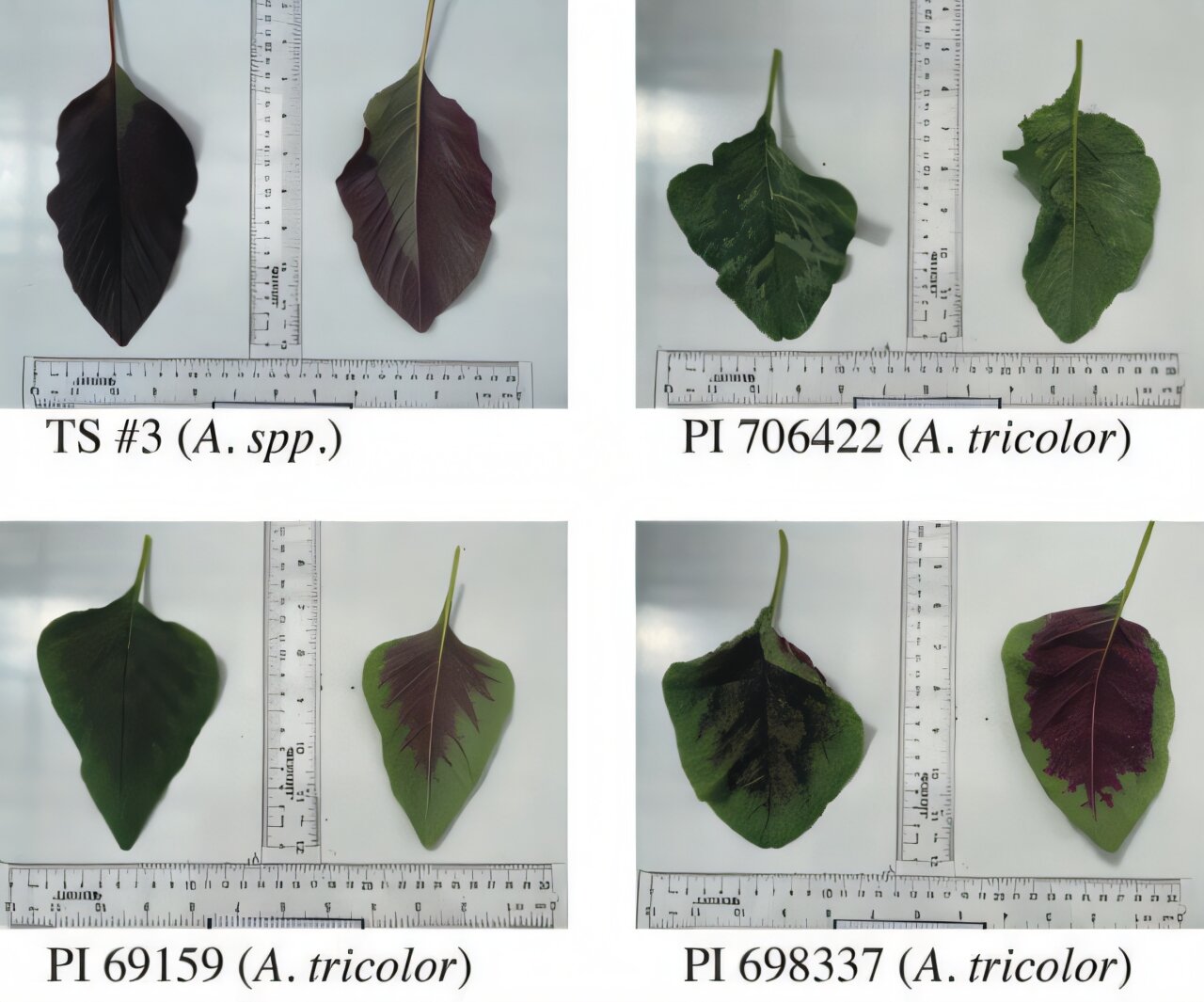
Rutgers University researchers have identified amaranth as a stronger candidate for leafy green production by pairing plant trait analysis with tests of crop performance and nutrition. The work matters for growers and breeders because it points to specific plant types that could support faster, more nutritious production systems, according to the American Society for Horticultural Science.
The findings come from two related studies published in HortScience. The American Society for Horticultural Science said the papers examine Amaranthus species and accessions from complementary angles: how the plants differ in form, and how they perform as food crops.
Researchers catalog plant diversity
In the first study, Tori Rosen and colleagues at Rutgers assessed morphological diversity across a broad set of amaranth genetic resources, according to the publication details released by the American Society for Horticultural Science. The researchers documented variation in plant structure, leaf shape, leaf color and growth habit.
That work is intended to help breeders identify traits that can be used in crop improvement programs, the society said. By defining differences among genetic resources, the study gives researchers a clearer basis for selecting plants with desirable characteristics.
The study, “Morphological Characterization of Amaranth Genetic Resources,” was published in 2026 in HortScience. The journal lists the DOI as 10.21273/hortsci19186-25.
Performance and nutrition tested
The second Rutgers study evaluated multiple Amaranthus species and accessions for leafy green production, according to the American Society for Horticultural Science. Researchers assessed horticultural traits including yield, growth rate and harvestability.
The same study also examined nutritional attributes, including mineral content and other health-promoting compounds, the society said. That combined approach allowed the researchers to compare food quality with field performance rather than treating them as separate questions.
The paper, “Crop Selection Based on Horticultural Performance and Nutritional Profile of Amaranthus spp. for Leafy Green Production,” was also published in 2026 in HortScience. The listed DOI is 10.21273/hortsci19195-25.
Some accessions showed commercial promise
Taken together, the studies found substantial diversity within amaranth germplasm, according to the American Society for Horticultural Science. The society said some accessions showed traits viewed as favorable for commercial production, including high biomass yield, uniform growth and desirable leaves.
Those accessions also delivered elevated levels of essential nutrients, according to the society. The findings suggest breeders could select for both crop handling traits and nutritional value when developing amaranth varieties for leafy green markets.
The American Society for Horticultural Science said amaranth is drawing attention because it can adapt to varied conditions, grows quickly and has high nutritional value. The society also said the crop’s resilience and rapid production cycle could make it useful in sustainable agriculture, including in regions dealing with climate variability or limited resources.
The Rutgers work does not report a finished commercial variety. It sets out a selection framework for identifying amaranth types that could better serve growers and consumers, according to the American Society for Horticultural Science.
This story draws on original reporting from Phys.org.