
RiSpy genome-edited rice detection framework expands line identification
A new RiSpy framework combines genome-wide markers to identify edited rice lines, though routine food-chain use still needs further work.
By Tom Brennan · Health & Medicine Correspondent
3 min read
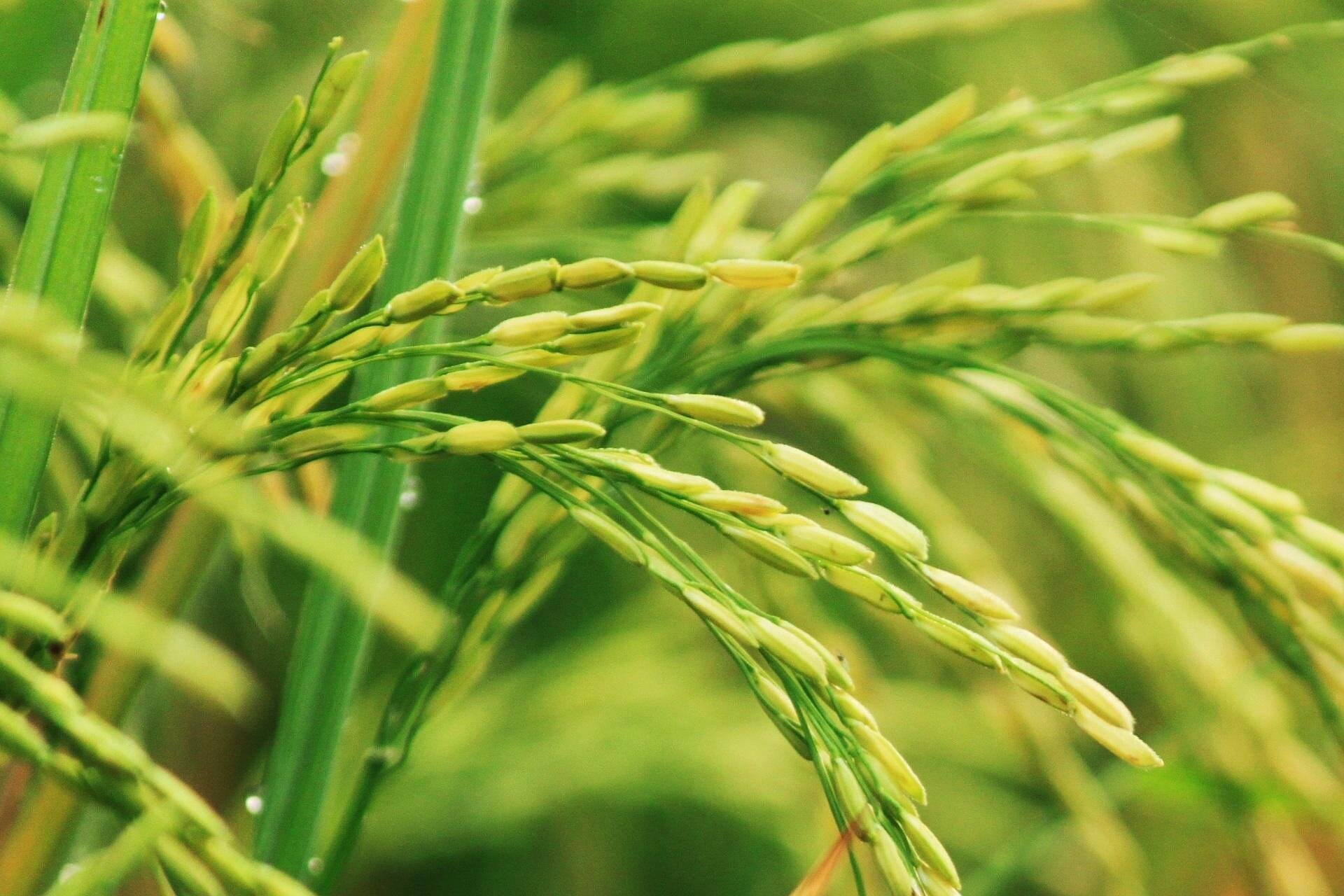
A research team has reported a new method for RiSpy genome-edited rice detection, using several genetic markers to identify particular edited rice lines from whole-genome sequencing data. The work matters because a single DNA-letter change introduced through genome editing may not be enough to establish which specific rice line it came from.
The framework, called RiSpy, was published in Briefings in Bioinformatics. The study involved researchers from Sciensano, CIRAD, DARWIN project partners and Ghent University, according to Phys.org.
How does RiSpy identify genome-edited rice lines?
RiSpy builds a genetic fingerprint for a line rather than relying only on the intended edit. According to the paper's abstract, it combines information from whole-genome sequencing with bioinformatics and statistical feature-selection tools, including the on-target edit site and markers associated with the rice cultivar.
A genetic fingerprint in this setting is a selected combination of DNA variants that, together, distinguishes one edited line from others in the available comparison data. The authors say that approach addresses a basic identification problem: one single-nucleotide variation, or SNV, does not by itself unambiguously define an edited rice line.
The framework can work with whole-genome data generated by Illumina or Oxford Nanopore Technologies sequencing platforms, the authors reported. It is also intended to generate fingerprints for cultivars that are absent from public resources such as the 3K Rice Genomes database.
What changed from the earlier rice fingerprint study?
RiSpy extends earlier work that tested a fingerprinting approach in one edited Nipponbare rice line carrying a CRISPR-Cas-induced SNV. That 2025 proof of concept used whole-genome data, public rice-genome records and machine-learning tools to select markers, then tested the fingerprint with targeted high-throughput sequencing and multiplex PCR enrichment, according to Food Research International.
That earlier study compared the Nipponbare line against more than 3,000 publicly available rice genomes and used cultivar-specific two-SNV barcodes, DARWIN said. It reported detection and identification at 0.9% and 0.1% in its proof-of-concept setup; those figures do not describe the new RiSpy study's broader performance.
For RiSpy, the researchers examined two in-house edited rice lines from different cultivars alongside public whole-genome datasets. The paper describes the results as showing robustness, scalability and specificity, but the reported evaluation remains limited to those two edited lines rather than commercial food-chain surveillance.
What could the method be used for?
The authors present RiSpy as a methodological basis for traceability, possible regulatory compliance work and intellectual-property protection. It does not establish a routine testing system for every edited crop or prove that all genome edits can be distinguished from naturally occurring variation.
Further development will depend on detailed genomic characterization of edited lines and suitable reference data. In a DARWIN project release on the earlier work, author Nancy Roosens said broader use was expected mainly where lines have well-characterized, fully sequenced genetic backgrounds and databases cover relevant species diversity; she said more work was needed before routine implementation.
Readers can review the RiSpy study abstract for the authors' description of the framework and its tested scope.
This story draws on original reporting from Phys.org.