
RNF213 marks abnormal glycogen for cellular disposal, study finds
A Nature study finds RNF213 labels malformed glycogen for autophagy, offering a new view of brain protection but no treatment yet.
By Lucas Ferreira · Science & Environment Writer
2 min read
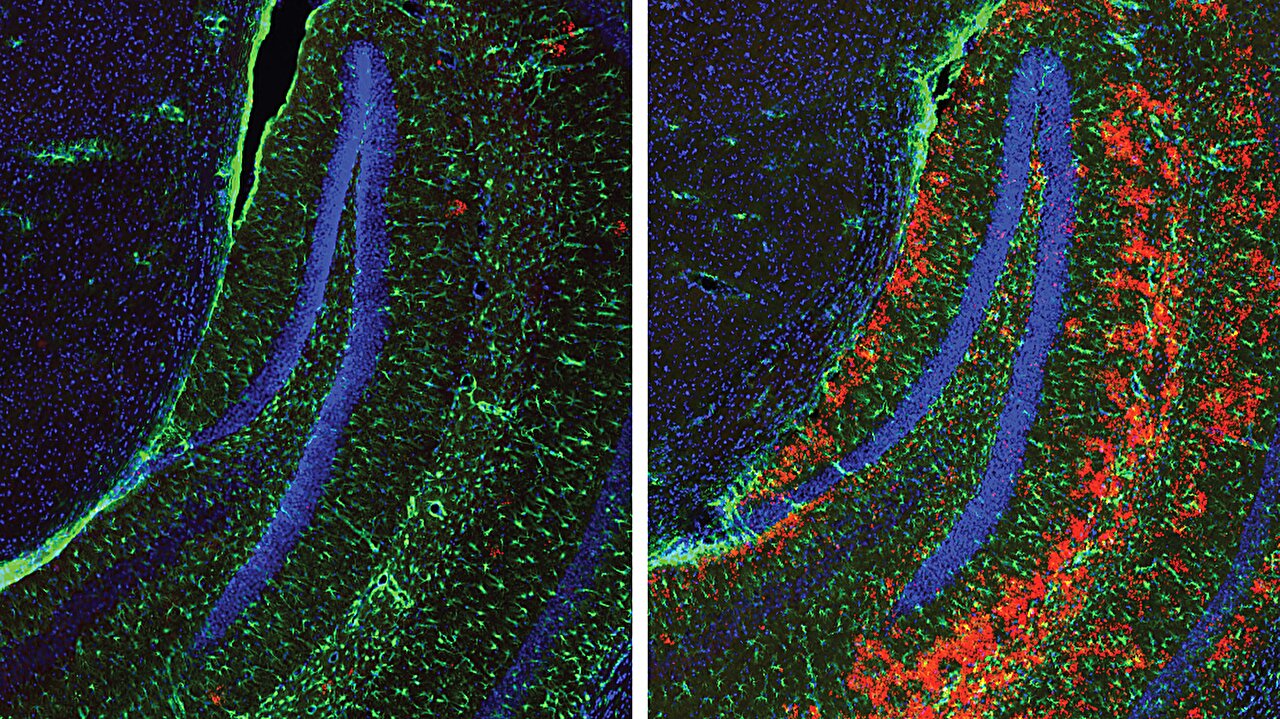
RNF213 abnormal glycogen research has identified a cellular cleanup route that may protect the brain from harmful sugar deposits. In a Nature study, researchers found that RNF213 directly attaches ubiquitin to malformed glycogen, sending it into the cell’s disposal system, according to the paper’s PubMed abstract.
The finding matters because glycogen that is assembled with too few branches can become insoluble and form deposits called polyglucosan bodies. Such deposits are associated with severe disease, and the study found evidence that RNF213 helps prevent their buildup in the brain.
How does RNF213 clear abnormal glycogen?
Glycogen is the branched glucose polymer cells keep as an energy reserve. The MRC Laboratory of Molecular Biology said that when its branching is defective, glycogen becomes less soluble and can collect as polyglucosan.
RNF213 is an E3 ubiquitin ligase, an enzyme that can attach the small protein ubiquitin to a target. The researchers reported that RNF213 recognizes abnormal glycogen and adds ubiquitin directly to the carbohydrate, rather than to a protein associated with it.
That tag recruits autophagy receptors including SQSTM1, TAX1BP1 and optineurin, the Nature paper reported. Autophagy is a recycling process in which cells enclose material in autophagosomes and deliver it to lysosomes, where it is broken down. The MRC Laboratory of Molecular Biology said its cryo-electron tomography images showed polyglucosan inside double-membrane autophagosomes.
What evidence supports the brain-protection finding?
The team used cells engineered to produce poorly branched glycogen and found that RNF213 selectively modified the abnormal form, according to the paper. The work also included mouse models: mice lacking RNF213 ligase activity accumulated polyglucosan in the cerebellum, pons and hippocampus.
The study identifies a form of quality control for glycogen and expands the known roles of ubiquitin beyond its more familiar functions involving proteins. The MRC Laboratory of Molecular Biology also noted that earlier work had shown RNF213 can tag a non-protein component of invading bacteria, suggesting the enzyme acts on more than one kind of cellular threat.
What does this mean for polyglucosan diseases?
Abnormal glycogen deposits are linked to disorders including Lafora disease, Andersen disease and adult polyglucosan body disease, the MRC Laboratory of Molecular Biology said. The new results give researchers a clearer mechanism to investigate in those conditions.
The work does not demonstrate a treatment, reverse disease in people or report a human clinical benefit. Its evidence comes from engineered cells, structural imaging and mice, so any therapeutic use remains a question for future research.
This story draws on original reporting from Phys.org.