
Researchers urge wider role for citizen scientists
A bioRxiv preprint proposes 10 steps to give public volunteers a larger role in research on climate, biodiversity, reefs and health.
By Tom Brennan · Health & Medicine Correspondent
3 min read
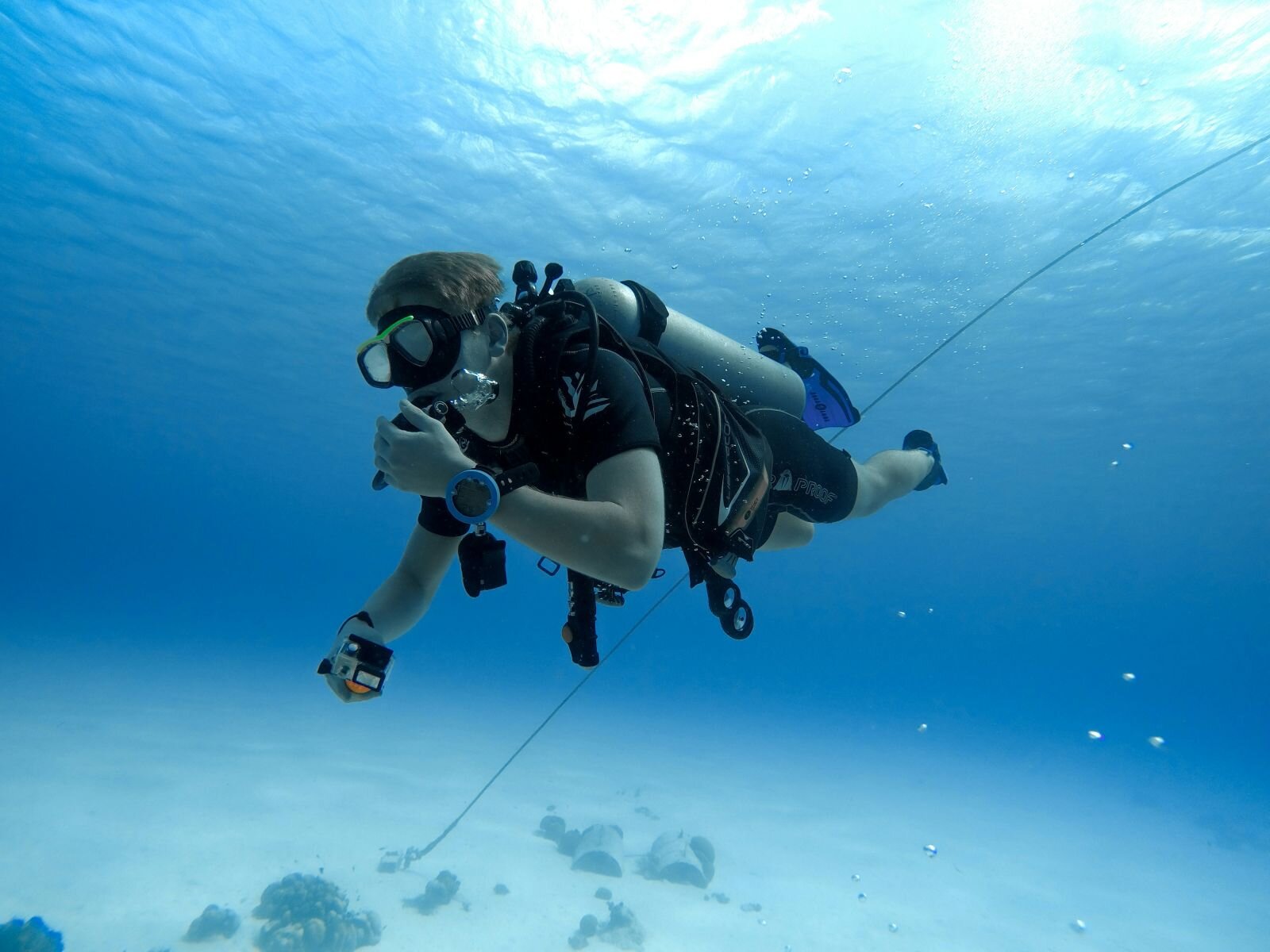
Citizen science could do more than supply observations for researchers, according to a new preprint led by Science for All and involving James Cook University. The authors argue that public volunteers could help shape studies from project design to reporting, a shift they say could strengthen work on climate change, reef health, biodiversity and public health.
The study, posted on bioRxiv, was co-authored by Adjunct Professor Adam Smith of James Cook University's TropWATER center and environmental advisory company Reef Ecologic. Smith said the paper makes the case for involving people without formal scientific training across the full research process, rather than treating them mainly as data collectors.
Citizen science is usually understood as collaboration between professional scientists and members of the public who help collect, analyze or interpret data, Smith said. He said there is room for everyday participants to contribute earlier and later in research, including planning projects and communicating findings.
The paper was led by Dr. Jack Nunn from the charity Science for All. Nunn said citizen science can also improve scientific literacy and public confidence in research, particularly at a time when science faces funding pressure, politicization and disinformation.
Nunn said stronger systems, support and opportunities would allow citizen science to contribute to more inclusive and evidence-based responses to social and ecological problems. He also said broader public involvement can give communities a greater sense of ownership over scientific work.
Smith said the usual estimates for citizen scientists in Australia range from 100,000 to 130,000. Based on his survey of about 20 major organizations, Smith said he believes the true number is likely above 1 million.
The authors point to trust as a central requirement for expanding public participation, according to James Cook University. Nunn said projects need transparent data checking and sharing, ethical partnerships, and data practices that make information findable, accessible, interoperable and reusable.
Stephanie von Gavel, chair of the Australian Citizen Science Association, said the field still faces major obstacles. She said limited core funding can weaken projects over time, while the lack of centralized help with ethics and project management adds further strain.
The researchers propose 10 recommendations to build citizen science into national research infrastructure, education and public policy, according to the study summary from James Cook University. Smith said formal recognition for volunteers, including co-authorship, standard training and professional development, would help build durable capacity.
Smith said those steps could help Australia become a global leader in marine citizen science, alongside its existing reputation in marine science and marine park management. He also said artificial intelligence and open data platforms could make projects more efficient and broaden participation if used with suitable ethical safeguards.
The preprint, titled “10 recommendations for strengthening citizen science for improved societal and ecological outcomes,” appears on bioRxiv and has not been described as peer reviewed. Smith said wider public involvement will be needed to produce fair, efficient and evidence-based responses to environmental and health challenges in this century.
This story draws on original reporting from Phys.org.