
Researchers identify cell-death pathway tied to dementia
King’s College London researchers say karyoptosis may help explain neuron loss in Alzheimer’s disease and frontotemporal dementia.
By Tom Brennan · Health & Medicine Correspondent
3 min read
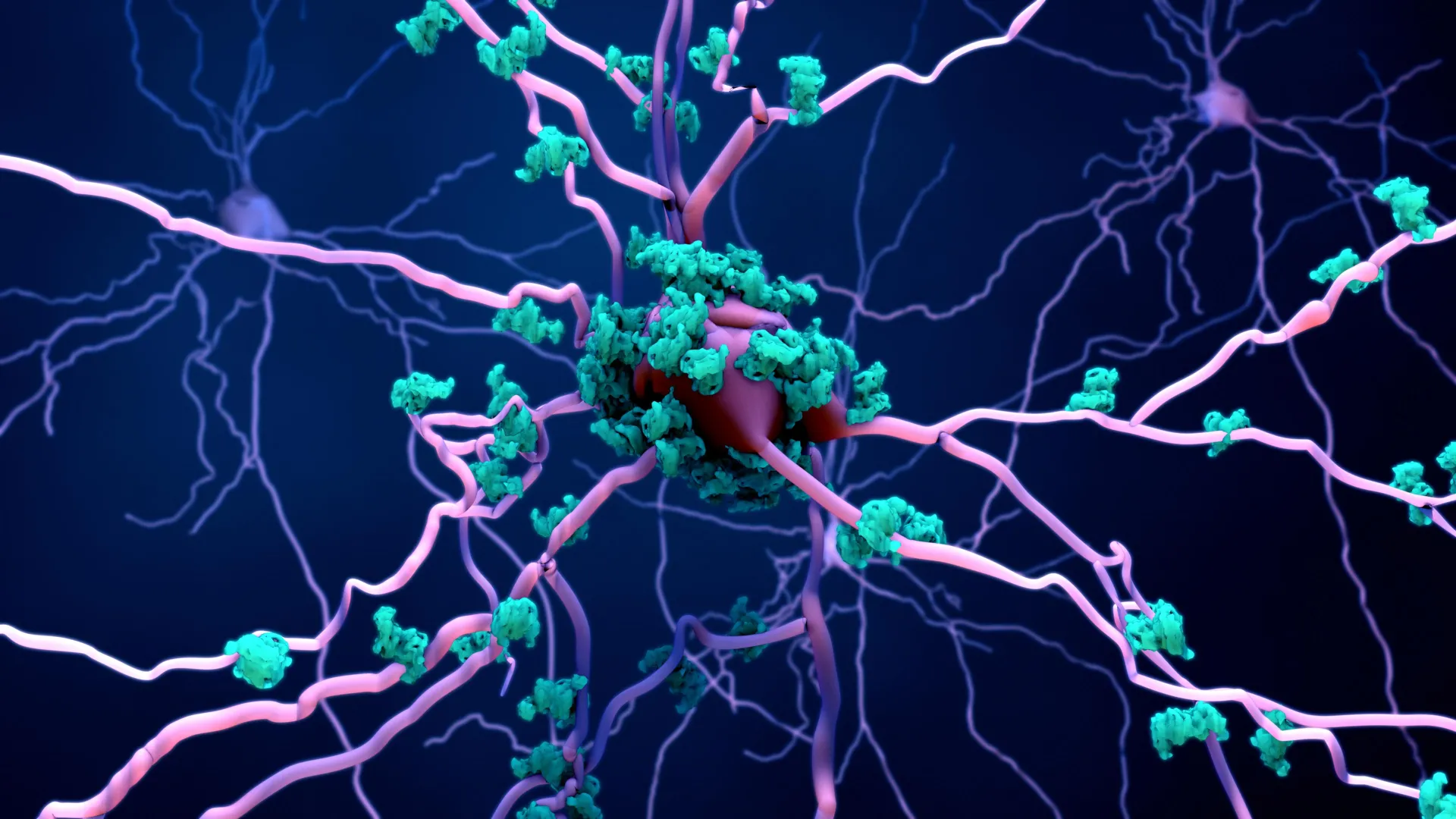
Researchers at King’s College London say they have identified a cell-death process that may help explain how neurons are lost in Alzheimer’s disease and frontotemporal dementia. The finding matters because slowing that process could give future treatments more time to act against the diseases, according to the research team.
The work, published in Nature Communications, focuses on karyoptosis, a mechanism in which the nucleus of a cell shrinks and eventually breaks apart. King’s College London said the process appears to be linked to the buildup of toxic proteins inside brain cells, a feature seen in several neurodegenerative diseases.
How the study traced cell death
According to King’s College London, many disorders that damage the nervous system, including Alzheimer’s disease, frontotemporal dementia and amyotrophic lateral sclerosis, involve harmful protein deposits inside neurons. Researchers have known about other forms of cell death, such as apoptosis, but the university said those mechanisms have not fully accounted for the scale of neuron loss seen in these conditions.
The team worked with the UK Dementia Research Institute, with support including Alzheimer’s Research UK, to study about 3,000 brain cells from 28 people with frontotemporal dementia or end-stage Alzheimer’s disease. The researchers used computational methods to sort signs of different cell-death pathways in the tissue, according to King’s College London.
In the frontal cortex, the study found markers of karyoptosis in 35% of cells from people with Alzheimer’s disease, compared with 15% of cells from healthy older adults, King’s College London said. The frontal cortex is among the brain regions relevant to cognition and behavior, though the report did not present the finding as a diagnostic test or treatment.
Dr. Manolis Fanto, a reader in functional genomics at King’s College London’s Institute of Psychiatry, Psychology and Neuroscience, said the work followed a decade of research at King’s, beginning with the identification of karyoptosis in a rarer disease and extending to dementias that affect many people.
A possible drug target
The study also points to a molecular chain of events that may control karyoptosis. According to the researchers, forcing proteins in neurons to clump together can start the process, destabilizing the outer membrane of the nucleus and leading the nucleus to shrink and disintegrate.
The team examined kinases, proteins that act as switches in cellular pathways. In laboratory experiments with rat neurons, blocking those switches reduced markers tied to karyoptosis, according to King’s College London.
The researchers highlighted the interaction between p38 MAP kinase and LaminB1 as a possible target for future therapies. Fanto said that targeting that interaction may slow cell death and buy time for more precise treatments aimed at specific neurodegenerative diseases.
Dr. Rebecca Casterton, senior researcher at the UK Dementia Research Institute at King’s and first author of the paper, said the study begins to map the chemical events that coordinate cell death in brain cells. Dr. Sara Rodrigues, senior research manager at Alzheimer’s Research UK, said identifying karyoptosis could help researchers find targets for treatments intended to stop or slow cell loss.
The study was primarily funded by Alzheimer’s Research UK and the Biotechnology and Biological Sciences Research Council International Partnership. King’s College London said additional support came from a UK Medical Research Council studentship and the UK Dementia Research Institute.
This story draws on original reporting from ScienceDaily.