
AI study flags plant scent molecules as sleep-aid candidates
Researchers screened 2,391 scent molecules from 991 aromatic plants and found several compounds that may influence sleep pathways.
By Lucas Ferreira · Science & Environment Writer
3 min read
Food scientists at the National University of Singapore used machine learning to screen plant aroma compounds for signs they could help promote sleep. The work matters because sleep problems affect up to one-third of people worldwide, while common sleep drugs can cause side effects and may not suit all patients, according to NUS.
The study, published in Digital Discovery, examined 2,391 scent molecules found in 991 aromatic plants. NUS said the research team built a curated chemical library and trained a model to identify patterns associated with sleep-promoting activity.
The project was led by Assistant Professor Zhang Dachuan of the NUS Department of Food Science and Technology, in collaboration with Professor Kou Xingran of the Shanghai Institute of Technology. The Royal Society of Chemistry journal featured the study on its cover, according to NUS.
Model narrowed a large field of plant aromas
Aromatic plants such as lavender and basil have long been associated with relaxation, NUS said, but researchers have lacked a clear way to determine which specific scent molecules may affect sleep. The team used artificial intelligence to sort through scattered plant-chemistry data and rank likely candidates for further testing.
During testing, the model reached 96.1% accuracy in distinguishing compounds linked to sleep-promoting activity from inactive compounds, according to the study summary released by NUS. The model then flagged hundreds of plant-derived scent molecules as higher-priority candidates.
To check whether the predictions were biologically meaningful, the researchers chose five commercially available molecules for experiments. NUS said four of them — carvacrol, safranal, vanillin and methyl eugenol — reduced wakefulness and increased non-rapid eye movement sleep, a restorative sleep stage.
The team also reported that the molecules affected GABA receptors, which are part of the brain’s main calming signaling system. NUS said that finding offers an early clue about how certain plant aromas may act on sleep-related pathways, and noted that GABA receptors are also targets for conventional sleep medicines.
Plant families ranked for future work
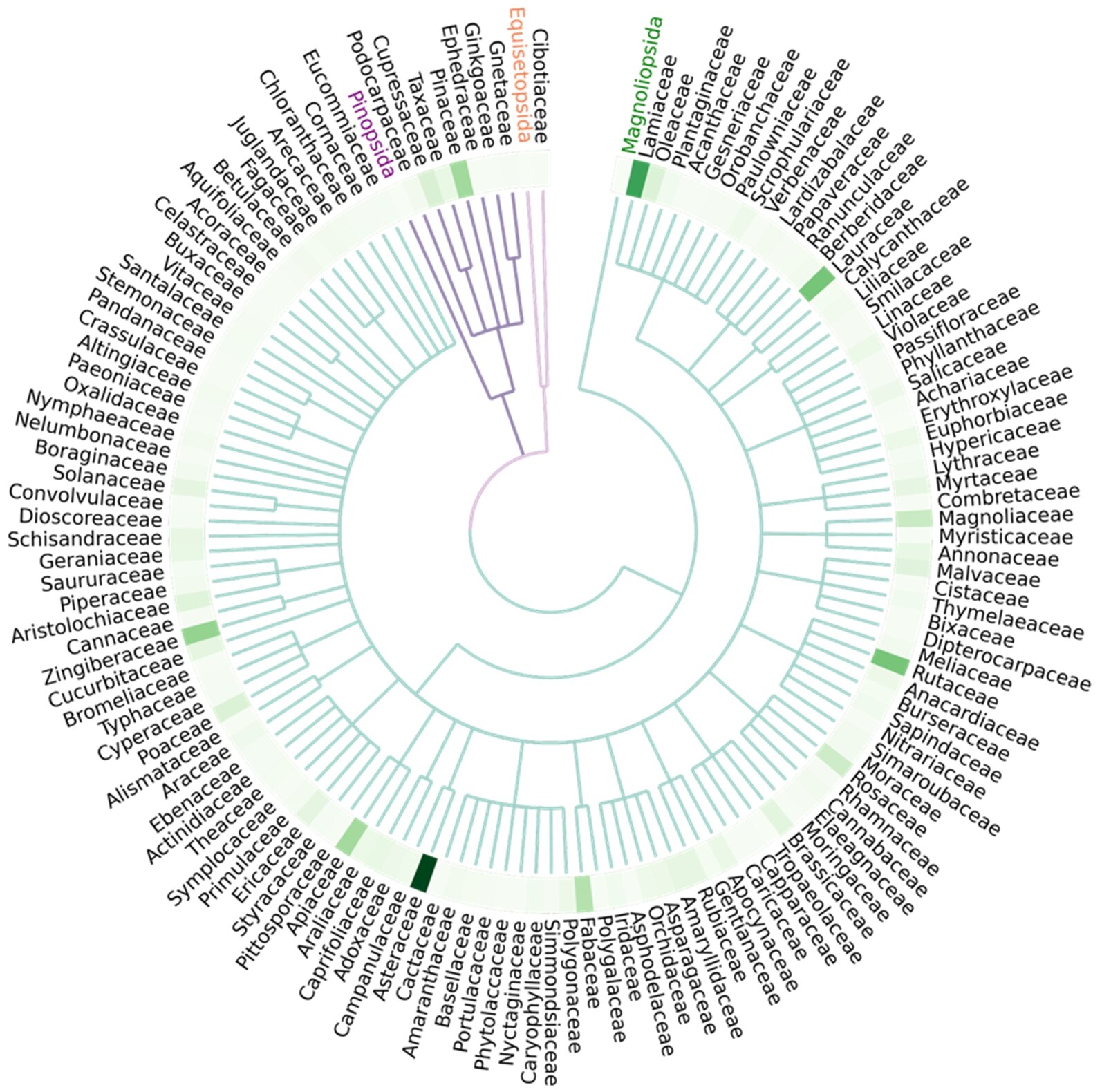
The researchers did more than rank single chemicals. Across the 991 plants in the analysis, the team identified plant families with richer concentrations of promising scent molecules, including Asteraceae, Lamiaceae and Lauraceae, according to NUS.
Species including lavender and perilla were highlighted for further investigation, NUS said. The study frames these rankings as a guide for research rather than proof that any one plant or fragrance can treat sleep problems.
Zhang said, according to NUS, that many people connect calming plant aromas with better sleep, but stronger evidence is needed to identify the responsible molecules and explain their mechanisms. He said the goal is to turn traditional knowledge and chemical datasets into a practical map for safer, more targeted sleep-related products.
NUS said the findings do not amount to a finished sleep product. The researchers plan to study long-term safety, how mixtures of scent molecules interact, and whether the effects hold up in broader biological and human studies.
The study is titled “Mapping sleep-promoting volatiles in aromatic plants with machine learning: a comprehensive survey of 2300 molecules” and was published in Digital Discovery in 2026.
This story draws on original reporting from Phys.org.