
Citizen science needs stronger support to grow, researchers say
A 16-organization study says citizen science projects need better funding, shared support systems and clearer recognition for public contributors.
By Tom Brennan · Health & Medicine Correspondent
3 min read
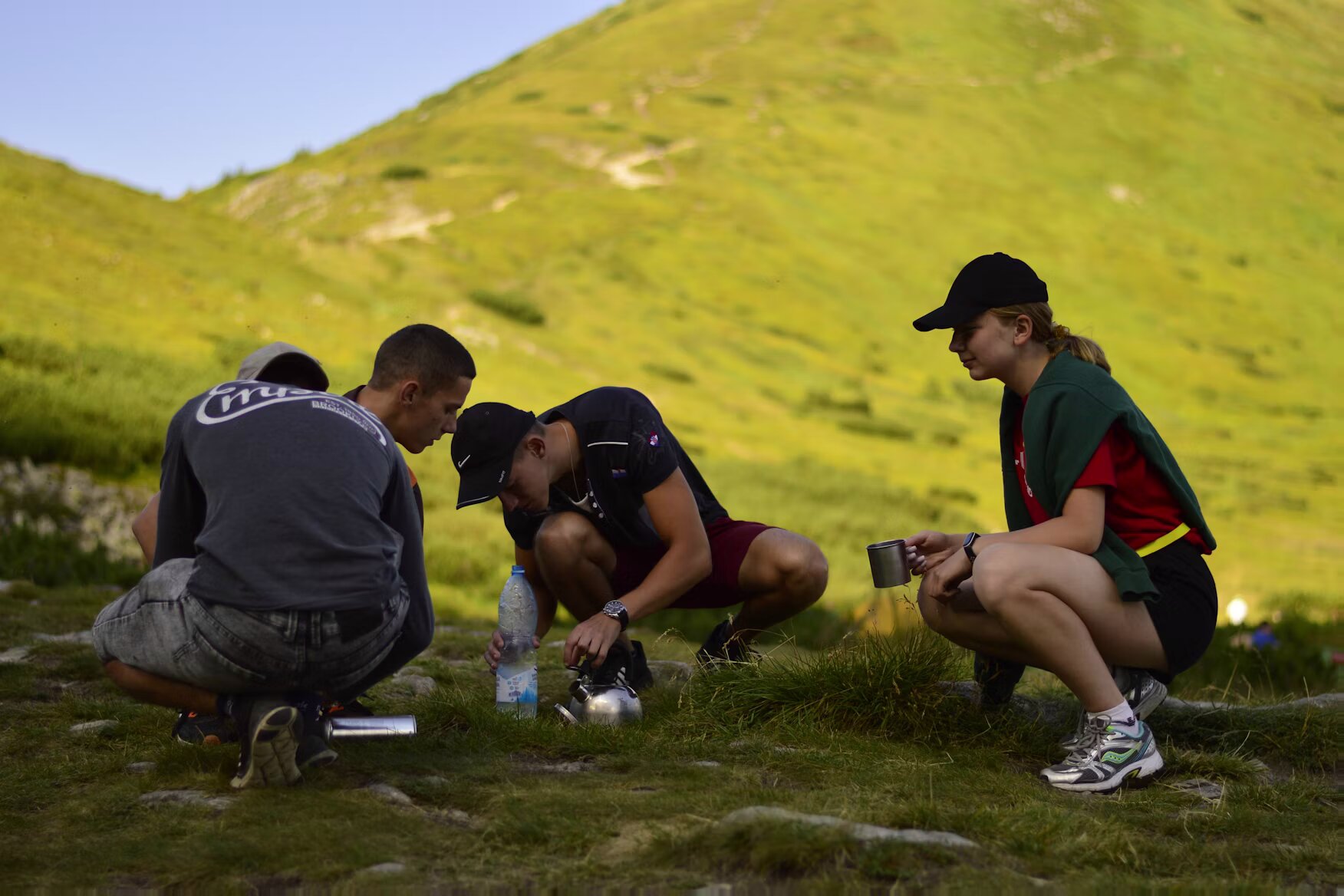
Citizen science could deliver stronger research and public benefits if projects receive steadier funding, better administration and more recognition for volunteers, according to a study published in PLOS One. The research matters because public contributors already help collect and analyze data across fields ranging from ecology to astronomy, but project leaders often lack the systems needed to expand that work.
The study was produced by an international collaboration involving 16 organizations, according to the University of Queensland. Researchers used surveys and group discussions to examine the barriers, opportunities and working practices in citizen science projects.
Dr. Christopher Lawson, an ecologist at the University of Queensland, said the findings challenge the view that citizen science is mainly an outreach exercise. He said projects that involve members of the public can support scientific discovery and practical responses to environmental and social problems when they are designed and supported well.
According to Lawson, participants already contribute to work such as coral reef monitoring, wildlife tracking, telescope-image analysis and health research. He said smartphones and other accessible technologies have helped widen participation, but institutions need to treat citizen science as part of research infrastructure rather than an optional add-on.
Recommendations for stronger projects
The paper sets out 10 recommendations for governments, research institutions and communities. Among the measures identified by the authors are shared support centers, stronger public involvement in project design and more consistent ways to make data useful beyond a single project.
- Create shared “super hubs” to help multiple projects with administration, data management and technical support.
- Give participants clearer feedback and recognition, including payment where appropriate.
- Build closer partnerships among universities, schools and community groups.
- Use transparent methods so researchers and the public can judge the quality of the data.
- Develop open data systems that allow results to be reused more widely.
- Invite public contributors into every stage of research, including design and analysis.
- Provide funding that lasts beyond short grant cycles so projects can mature over time.
Lawson said many project leaders would rather spend their time on research and community work than on administrative tasks. He said specialist hubs, potentially based at universities, could reduce that burden and help projects produce data that researchers can use with confidence.
He also said longer-term funding would help projects improve data quality and relevance. Recognition matters as well, Lawson said, because people often join citizen science projects to contribute to a public goal; training, credentials, co-authorship or other forms of acknowledgement can help sustain participation.
Public trust and open evidence
Dr. Jack Nunn of Science for All said citizen science also supports science literacy and trust in research. He linked broader public involvement in science to global challenges including climate change, biodiversity loss and public health crises.
Nunn said citizen science projects need transparent reporting on how they operate, who contributes and how they are funded. He argued that open evidence can help people understand whether policy decisions are being shaped by research, ideology or economic interests.
The study, titled “10 recommendations for strengthening citizen science for improved societal and ecological outcomes: A co-produced analysis of challenges and opportunities in the 21st century,” was published in PLOS One.
This story draws on original reporting from Phys.org.