
Protein tags trace organ signals in mice
Researchers used proximity labeling to map protein messages from fat and liver cells and link dozens of stress-altered signals to human disease data.
By Priya Raghavan · Science Reporter
3 min read
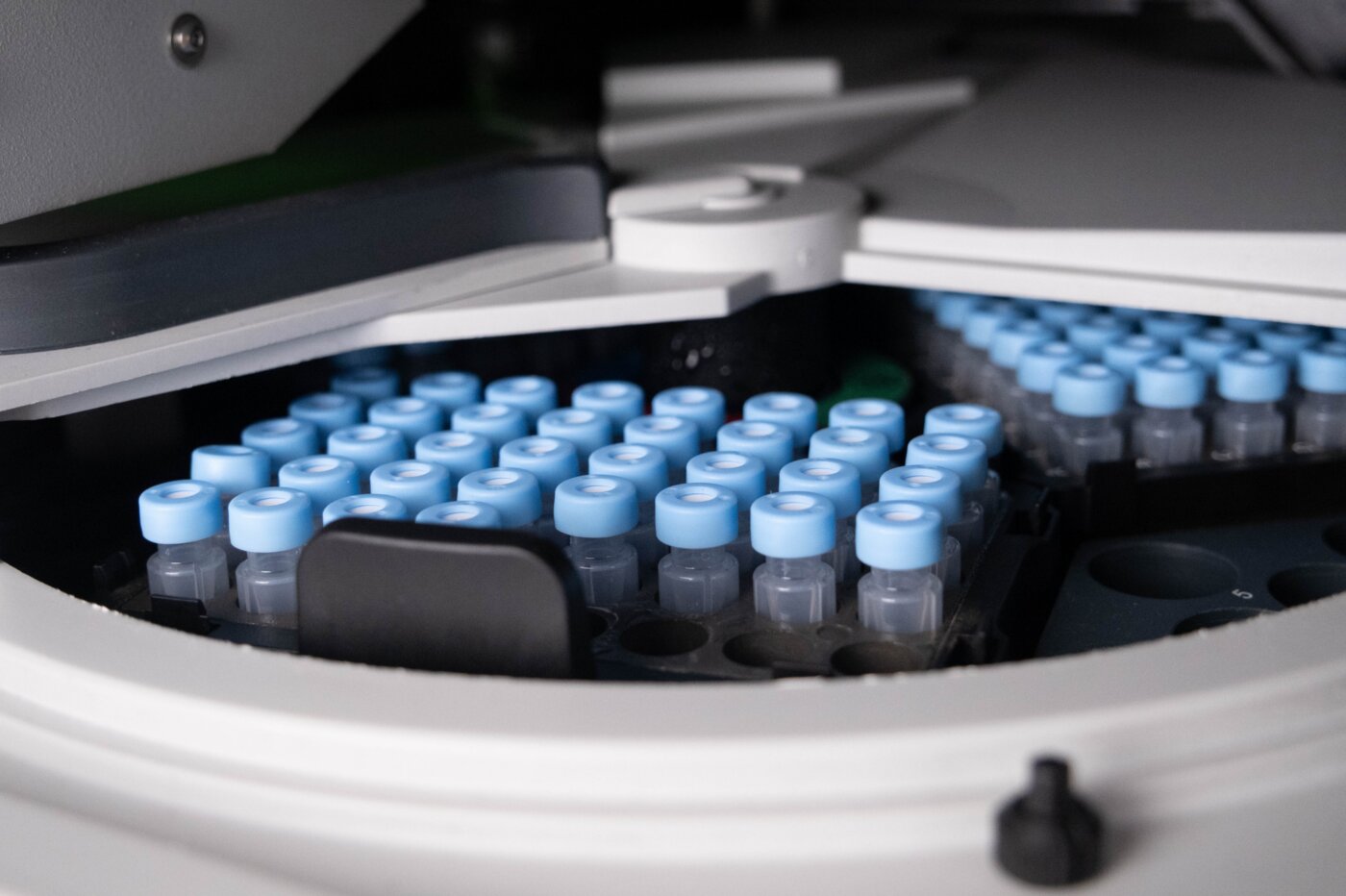
Researchers have refined a protein-tagging method that can identify which cells send molecular messages through the body. The work, reported by Rockefeller University and published in Cell Reports, gives scientists a more detailed way to study how organs communicate during fasting, inflammation and obesity.
The team adapted a technology known as proximity labeling in genetically engineered mice. According to Rockefeller University, the platform marks proteins as they pass through the endoplasmic reticulum, the cellular compartment where many proteins are made and folded, allowing researchers to connect circulating proteins with their cells of origin.
Organ-to-organ signaling is central to metabolism and immunity. Fat tissue can influence how the liver handles energy, and immune cells can send inflammatory signals, but Rockefeller University said researchers have struggled to determine which specific cells produced particular protein messengers found in blood.
Building a more sensitive system
The project brought together researchers from the laboratories of Ekaterina V. Vinogradova, who leads Rockefeller’s Laboratory of Chemical Immunology and Proteomics, and Paul Cohen, who leads the Weslie R. and William H. Janeway Laboratory of Molecular Metabolism. Ken H. Loh, formerly a Rockefeller postdoctoral researcher in Jeffrey M. Friedman’s lab and now at Yale, had developed a mouse model designed to tag proteins moving through the endoplasmic reticulum, Rockefeller University said.
Earlier approaches had limits, according to the researchers. RNA measurements do not always predict which proteins a cell secretes, cell-culture studies cannot fully match living physiology, and chemical tagging methods can miss rare signaling molecules.
The Rockefeller team said the mouse model worked, but the first technical challenge was recovering and detecting the tagged proteins with enough sensitivity. Vinogradova’s group refined tissue processing, proteomics and computational workflows, while Loh and Cohen’s group contributed models of fasting, inflammation and obesity.
The improved platform detected lower-abundance circulating proteins, including trace amounts of leptin, the fat-derived hormone. Cohen said the optimization helped the researchers move beyond the most abundant and already familiar proteins.
Fat, liver and immune signals
The researchers used the method to study fat and liver cells under different physiological conditions. They compared visceral fat, which surrounds internal organs, with subcutaneous fat beneath the skin during early and advanced obesity, Rockefeller University said.
The team also applied the system to B lymphocytes at baseline, which the university said showed the method could be useful beyond metabolism. The researchers chose fat, liver and immune cells both because those systems are well studied and because they fit the labs’ research interests.
The resulting atlas captured both secreted proteins and changes inside the endoplasmic reticulum. According to the study, fasting reduced production of many immune-related proteins, while severe inflammation activated stress-response pathways tied to increased protein-folding demands.
The researchers also reported distinct signaling patterns across the metabolic states they examined. Rockefeller University said the findings included γ-synuclein, previously associated with the nervous system, as a fat-derived messenger that fell during fasting and inflammation and rose during advanced obesity. The study also found that production of MTR1L, an orphan receptor, increased 30-fold in visceral fat during advanced obesity.
When the team compared its mouse findings with data from more than 53,000 UK Biobank participants, it found 65 stress-altered proteins associated with human conditions. Rockefeller University said those conditions included type 2 diabetes, obesity, hypertension, coronary artery disease, heart attack, stroke, atrial fibrillation and sepsis.
The researchers framed the platform as the central result. Vinogradova said the method can be applied to different tissues and genetic drivers, while Cohen said more than 150 obesity-regulated fat-cell proteins identified by the technique remain to be studied in this context.
This story draws on original reporting from Phys.org.