
Plants and soil microbes split nitrogen sources in alpine heath
University of Manchester researchers say plants and microbes reduce competition by drawing nitrogen from different chemical forms in nutrient-poor soils.
By Tom Brennan · Health & Medicine Correspondent
3 min read
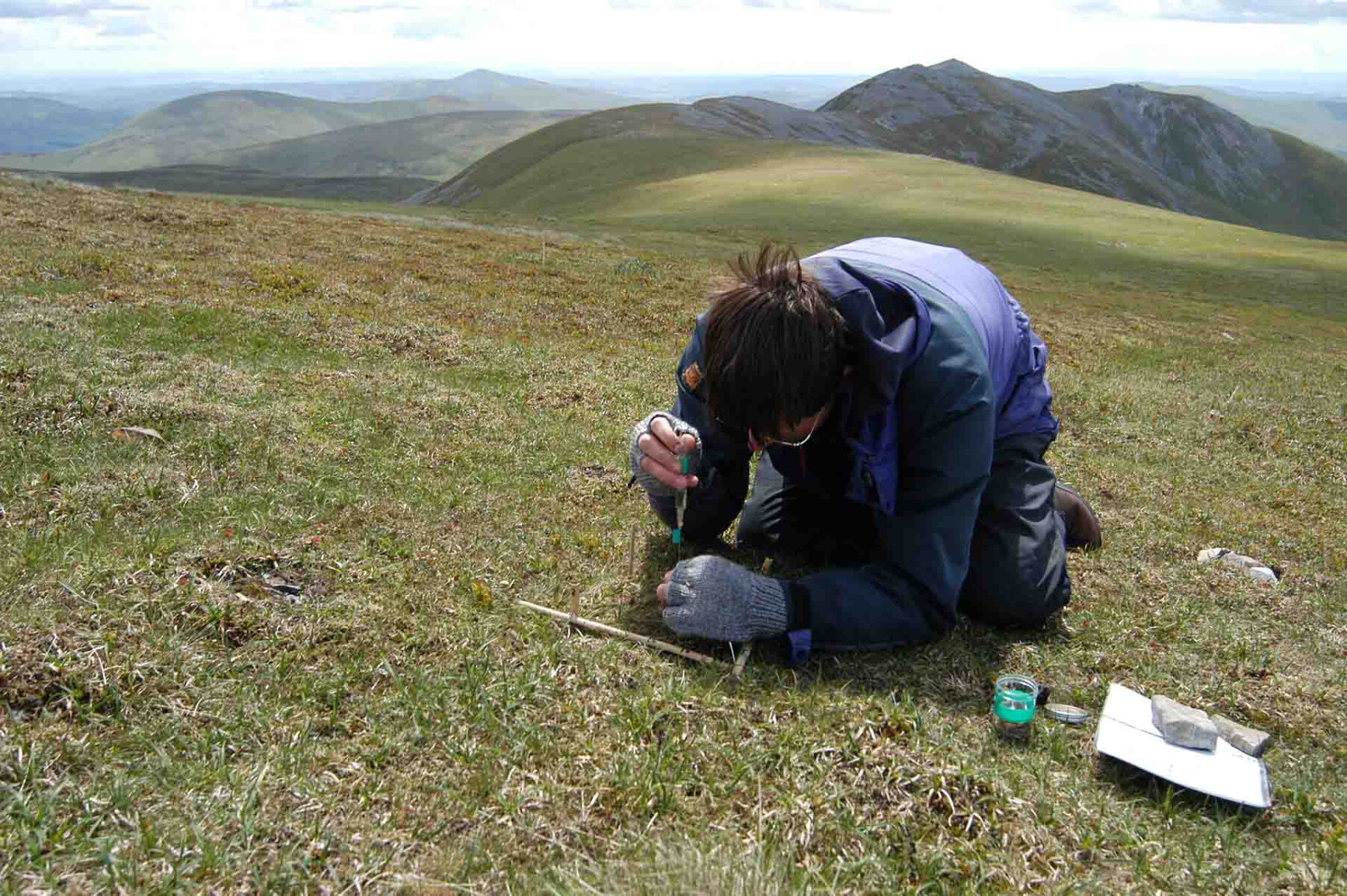
Researchers at the University of Manchester have found that plants and soil microbes in alpine heath draw on different forms of nitrogen, a split that may help them live side by side in poor soils. The finding matters because nitrogen supply shapes plant growth, microbial activity and the resilience of cold ecosystems where nutrients are scarce, according to the university.
The study, published in Soil Biology and Biochemistry, examined how nitrogen moves between plants and soil organisms in alpine heath. The research team included Dr. Ellen Fry, the lead author, according to the University of Manchester.
Separate nitrogen sources
The team used stable isotope labeling in the field to trace nitrogen as it moved through the ecosystem, the university said. That method allowed the researchers to compare how plants and microbes took up different chemical forms of the nutrient.
According to the study summary from the University of Manchester, plants mainly absorbed inorganic nitrogen, including ammonium and nitrate. After uptake through roots, plants moved that nitrogen into shoots, where it built up over time.
Soil microbes followed a different pattern, the university said. They showed a preference for organic nitrogen compounds, especially amino acids, rather than the simpler inorganic forms favored by plants.
The researchers said this separation in nitrogen use can ease direct competition underground. In nutrient-limited soils, that partitioning offers one explanation for how plant and microbial communities persist together, according to the university.
A fast-moving cycle
The study also points to a changing, active nitrogen cycle rather than a fixed pool of nutrients, the University of Manchester said. Nitrogen absorbed by plants moved quickly through plant tissues, while microbes processed organic compounds and affected which forms later became available to plants.
The researchers found little evidence that plants directly absorbed large organic molecules, according to the university. The study suggests those molecules are more likely broken down first by microbes, then used by plants later in simpler forms.
Plant competition also shaped nitrogen use. Faster-growing, more dominant plant species tended to take up more nitrogen overall, the university said, indicating that differences among plants influence how nutrients are distributed within the ecosystem.
Climate and soil implications
Alpine and heathland ecosystems are often cold and low in nutrients, and the University of Manchester said small shifts in nutrient cycling can have broad ecological effects. By showing that plants and microbes use nitrogen according to its chemical form, the study adds detail to how these systems function under harsh conditions.
Fry said the work helps explain how plant and microbial communities share limited resources, which supports predictions about ecosystem responses to environmental change, according to the university. The findings may also help guide more sustainable soil management by clarifying how nutrients move through ecosystems and how biodiversity is supported.
The paper is titled “Nitrogen partitioning between plant species and soil microbes in alpine heath.” It was authored by Ellen L. Fry and colleagues and carries the DOI 10.1016/j.soilbio.2026.110127.
This story draws on original reporting from Phys.org.