
Election betting markets draw scrutiny before 2026 midterms
Platforms that let users wager on political outcomes are gaining visibility as lawmakers weigh limits on insider trading and event betting.
By Daniel Okafor · Business Editor
4 min read
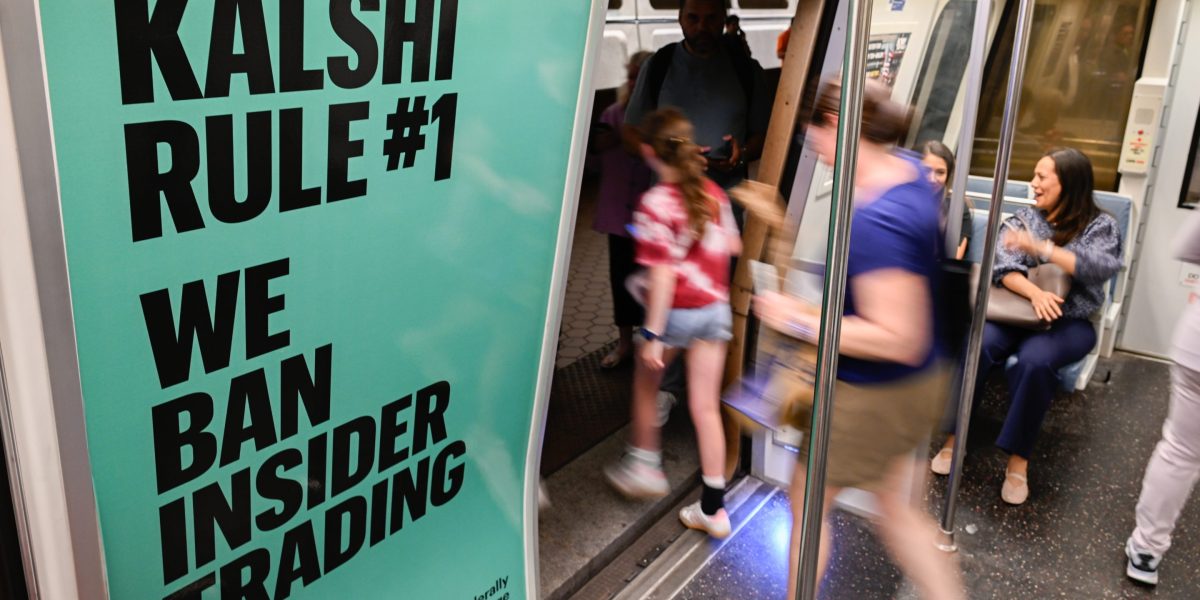
Prediction markets are becoming a more visible part of American politics ahead of the 2026 midterm elections, and researchers say that could affect campaigns, media coverage and regulation. Matt Motta of Boston University and Robert Ralston of the University of Birmingham wrote in The Conversation that markets once favored by political hobbyists are now drawing attention from lawmakers, news organizations and state regulators.
The platforms let users buy contracts tied to future events, including elections, court decisions and geopolitical developments, according to Motta and Ralston. If the predicted event occurs, holders of the winning contract are paid; if more traders buy into an outcome, its price rises and the potential return falls.
The Commodity Futures Trading Commission describes prediction markets as event-based trading venues. Motta and Ralston wrote that they differ from conventional sportsbooks because users trade against one another rather than against a casino operator, while the platform earns transaction fees.
Politics becomes a tradable event
Kalshi, one of the better-known platforms, has election markets covering outcomes such as the 2028 presidential race, the margin in 2026 South Dakota primary contests and an Alaska Senate race involving two candidates named Dan Sullivan, according to Motta and Ralston. They wrote that Kalshi also lists non-election questions, including whether the Supreme Court will bar transgender girls and women from female sports teams and whether the government will confirm the existence of aliens before September 2026.
Political betting markets are not new. Motta and Ralston noted that PredictIt, which calls itself a political prediction market, has operated in the United States for more than a decade.
What has changed is their reach, according to the researchers. Kalshi says it is CNN’s official prediction markets partner, and CNN has used Kalshi data in a recurring segment called “The Odds” to discuss likely political outcomes, Motta and Ralston wrote.
Insider betting worries regulators
Motta and Ralston warned that insider trading can arise when people with nonpublic information, such as internal polling or military intelligence, place wagers before that information becomes public. NPR reported in May that campaign staffers on statewide races had acknowledged using private polling information to buy contracts before favorable data was released.
NPR has also reported that candidates from both parties have faced scrutiny over bets connected to their own campaigns, while some prediction markets generally prohibit that practice. Motta and Ralston wrote that such bets could make a campaign appear stronger to traders or reporters than it is, potentially influencing media treatment and voter perceptions of viability.
The concerns extend beyond elections. CNN reported arrests tied to betting on a U.S. military operation that removed Venezuelan leader Nicolás Maduro, while The New York Times has reported on fears that officials could exploit sensitive knowledge of world events and on threats directed at a journalist covering an Iranian missile attack on Israel.
Congress and states move in
In a March 2026 nationally representative online survey of 1,000 U.S. adults conducted through Verasight, Motta and Ralston found that nearly 70% supported barring U.S. government officials from trading on prediction markets. Another 20% backed a narrower ban when officials possess inside information, they wrote.
The Senate has barred senators and their staff from trading on prediction markets, PBS reported. NPR reported that House members, executive branch employees, military officials and other government workers are not covered by that Senate rule.
Some lawmakers have proposed limits on trades made with insider information, including nonpublic polling or fundraising data, according to Motta and Ralston. Others have introduced the DEATH BETS Act, a bill aimed at banning markets tied to deaths, assassinations, war and related events; the researchers wrote that the measure is awaiting committee review.
States are also challenging the industry. Massachusetts is suing Kalshi over what state officials call illegal and unsafe sports wagering, while Minnesota became the first state to ban prediction markets outright, according to Motta and Ralston. Illinois has sent cease-and-desist letters to operators it says are not complying with state gambling law.
President Donald Trump has opposed state regulation of the sector, according to a Truth Social post cited by Motta and Ralston, in which he criticized Minnesota Gov. Tim Walz and Illinois Gov. JB Pritzker and praised prediction markets as a new form of financial market. The New York Times has reported that Trump’s family has financial ties to the industry; NPR has reported that Donald Trump Jr. advises Kalshi and Polymarket and invests in Polymarket.
Yahoo Finance reported that the Trump administration has reviewed a proposal to give the CFTC sole authority over prediction markets. The CFTC has asserted jurisdiction over the sector, while former CFTC Chairman Gary Gensler has argued that states should regulate it, according to Motta and Ralston.
This story draws on original reporting from Fortune.