
Placebo pills improved memory and movement in older adults
A randomized trial found gains after three weeks, including among participants told the pills had no active ingredient.
By Lucas Ferreira · Science & Environment Writer
3 min read
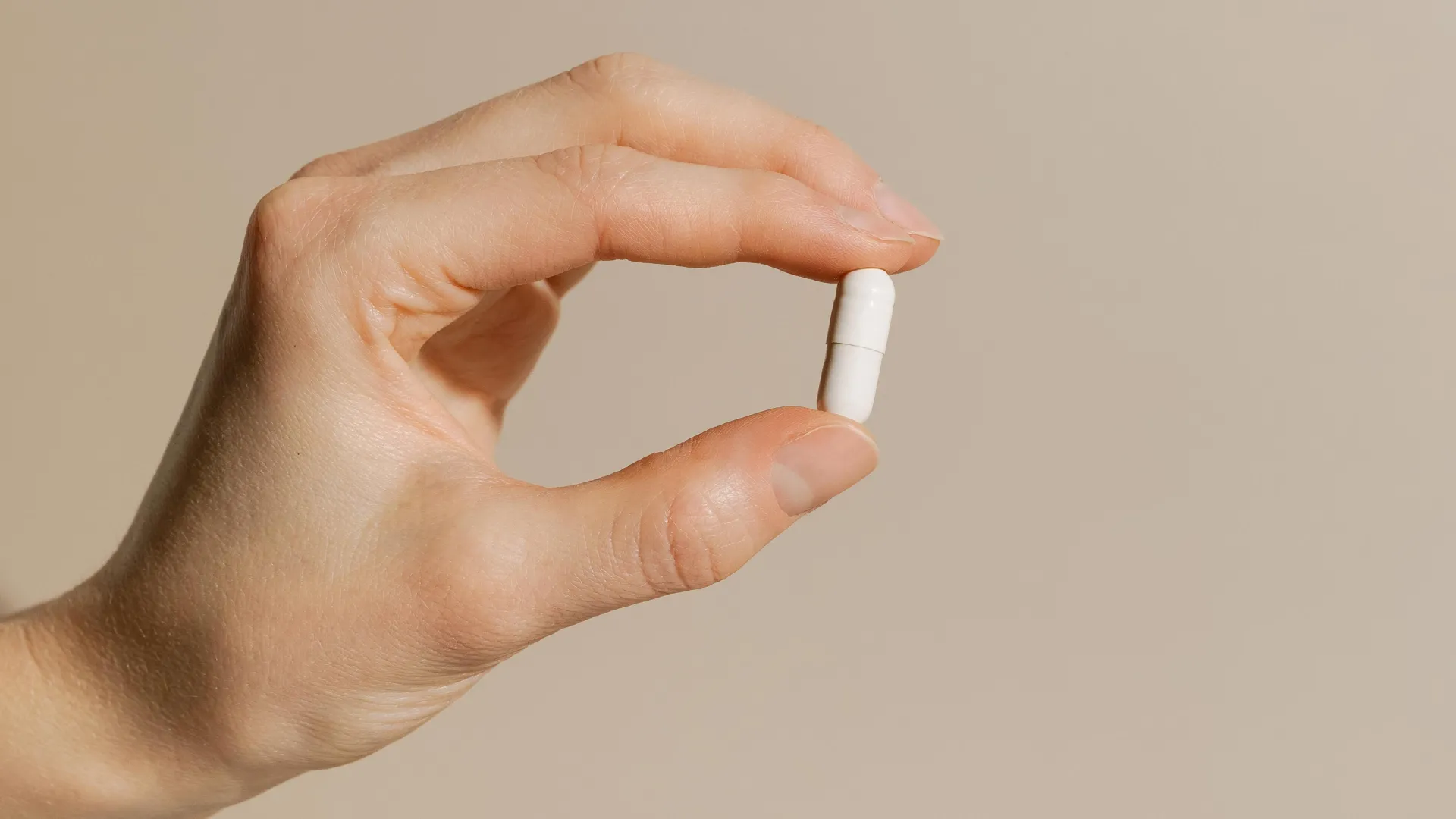
Healthy older adults improved on some memory, movement and stress measures after taking inactive pills for three weeks, according to researchers at Università Cattolica del Sacro Cuore in Milan. The finding matters because the trial reported benefits even when participants were told they were taking a placebo, a design that could avoid deception in future aging studies.
The study, published in the International Journal of Clinical and Health Psychology, was led by Diletta Barbiani, Alessandro Antonietti and Francesco Pagnini. The university said the work was supported by PNRR grants through the Age-IT project.
According to the research team, the trial tested whether placebo treatments could affect abilities that often decline with age. Pagnini, a professor of clinical psychology at Università Cattolica, said the work fits a broader research program examining how mental processes may relate to aging.
How the trial worked
The researchers enrolled 90 healthy older adults living in the community and randomly assigned them to one of three groups. One group received no treatment, one received inactive pills described as supplements with active ingredients meant to support well-being and physical function, and one received the same inactive pills while being told openly that they were placebos.
The team described the third arm as an open-label placebo treatment. Participants in that group were told the pills contained no active substance but could still produce beneficial mind-body responses, according to the university.
Before and after the three-week period, participants filled out questionnaires on perceived stress, psychological well-being, sleepiness, fatigue, optimism, self-efficacy and views about aging. They also took objective tests of short-term memory, selective attention and physical performance, the researchers reported.
Where participants improved
After three weeks, the open-label placebo group reported lower stress than both the deceptive-placebo group and the no-treatment group, according to the study summary. The same group also had larger gains in short-term memory than participants who received no intervention.
The university said both placebo groups showed improvements in cognitive and physical performance overall. The researchers reported that physical performance rose 7% in the group that believed it was receiving an active supplement and 9.2% in the group told the pills were placebos.
Cognitive test scores also increased in both placebo groups, though the size of the change depended on the test. Participants who thought they were taking a real supplement improved by 12.6% to 14.6%, while those knowingly taking a placebo improved by 6.9% to 21.5%, according to the researchers.
The team also observed reduced drowsiness after the placebo period. Stress reductions were most evident among participants who knew the pills were inactive, the university said.
Ethical questions for placebo use
The researchers said open-label placebos performed as well as deceptive placebos in some areas and better in others. They described that result as relevant because open-label use does not require misleading participants about what they are taking.
Pagnini said the findings add to evidence that thoughts, emotions and self-perception may influence psychological well-being, physical abilities and cognitive function during aging. The trial does not show that placebo pills are a replacement for established treatments, but the researchers said the approach warrants further study as a possible tool to support healthy aging.
This story draws on original reporting from ScienceDaily.