
Study ties palm, coconut and soy oils to most oil-crop biodiversity loss
ETH Zurich researchers found oil palm, soybean and coconut account for about 75% of biodiversity loss linked to oil crops.
By Tom Brennan · Health & Medicine Correspondent
3 min read
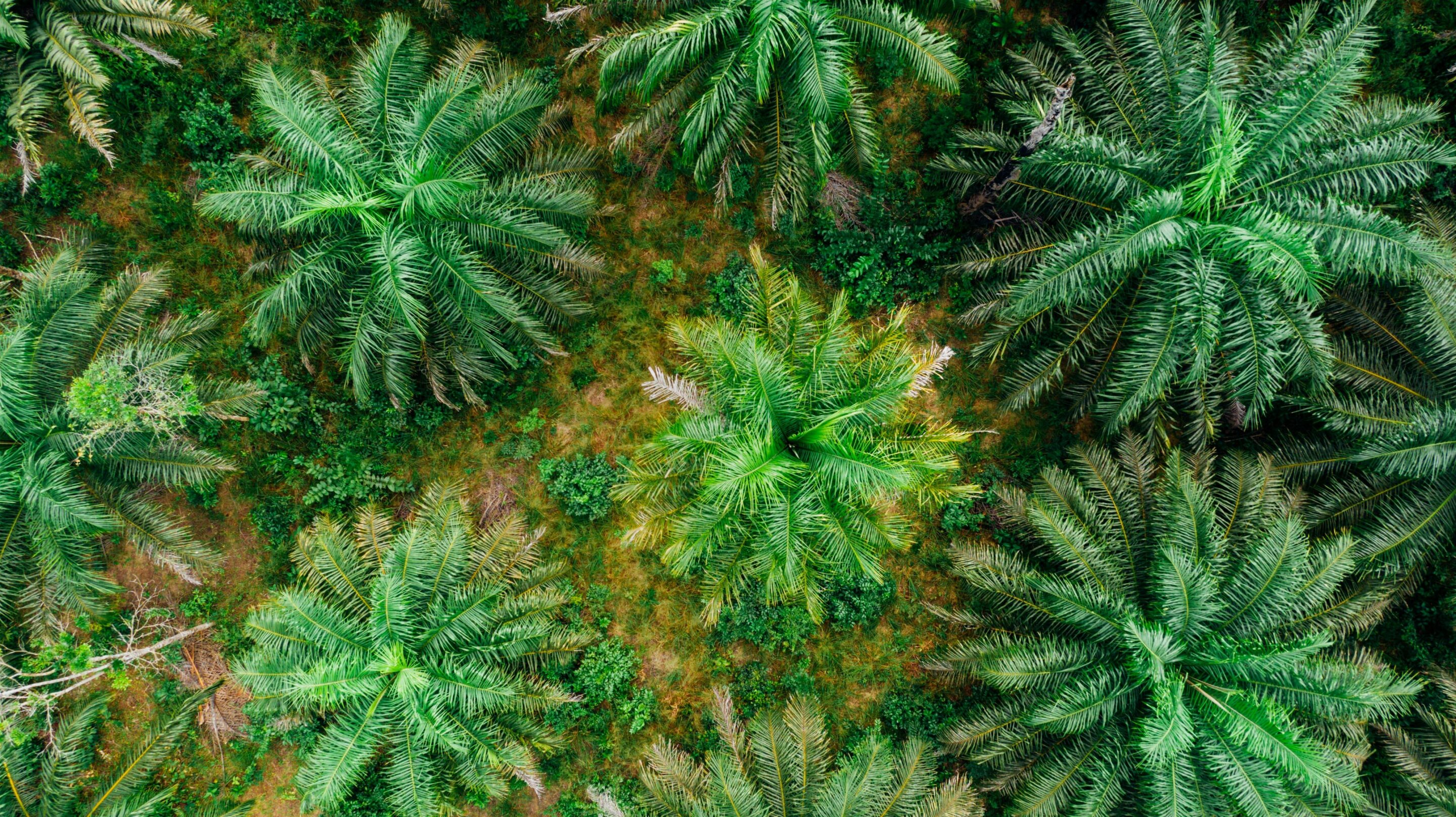
Oil palm, soybean and coconut cultivation accounts for the bulk of biodiversity damage tied to oil crops, according to a study led by ETH Zurich researchers. The findings matter because crop oils are used widely in food, cosmetics, medicines and animal feed, linking daily consumption to pressure on species-rich ecosystems.
The study, published in Nature Food, examined 19 oil crops and traced their effects through global supply chains. ETH Zurich said the work is the first study to assess worldwide how rising oil-crop cultivation and consumption threaten animal and plant species.
Stephan Pfister, professor for quantitative sustainability assessment at ETH Zurich, led the research team. Pfister said biodiversity loss is as serious an environmental problem as climate change, according to ETH Zurich.
Three crops dominate the impact
The researchers found that oil palm, soybean and coconut were responsible for about 75% of the biodiversity loss associated with oil crops. Shuntian Wang, a doctoral student on Pfister’s team, said those three crops caused a particularly large share of the damage, according to ETH Zurich.
The team built global maps of oil-crop cultivation using satellite information, agricultural statistics and worldwide datasets on farmed land. The researchers then used species loss factors to estimate how farming in different regions and under different intensities contributes to global species loss.
To connect farming to consumption, Pfister’s team combined those data with a global economic model of international supply chains. ETH Zurich said that approach can show, for example, how soybeans grown in Brazil may be used as animal feed in China or Europe and, in turn, support meat consumption.
Losses rose sharply from 1995 to 2020
The study found that biodiversity loss linked to oil crops increased by about 80% between 1995 and 2020. According to the researchers, that rise was driven more by consumption patterns than by population growth alone.
Tropical regions face especially high pressure, the study found. ETH Zurich said oil palm and coconut are grown only in those regions, where biodiversity is high and yields per unit of land are often lower, increasing the pressure to expand farmland.
The researchers said expansion can damage ecosystems, including through deforestation. Pfister also said existing agriculture continues to strain ecosystems even without new deforestation, because long-term land use itself affects habitats.
Trade shifts damage away from consumers
The study found that more than half of the biodiversity impacts from oil crops are tied to consumption outside the countries where the crops are grown. According to ETH Zurich, the European Union, China and the United States together account for more than 80% of these externalized impacts.
The pattern differs by market, the researchers reported. ETH Zurich said the European Union’s effect is mainly connected to palm oil imports, while China’s is largely linked to soybeans used for animal feed.
Pfister’s team said reducing the damage would require more environmentally friendly production, less deforestation and farming methods that better protect soil and ecosystems. Pfister said investment in improved production and ecosystem protection in producing countries is an important lever, according to ETH Zurich.
The researchers also pointed to consumption changes, while noting that global markets complicate simple fixes because demand can move between regions. The study’s conclusion places responsibility across the supply chain, from farms in producing countries to consumers and industries in importing markets.
This story draws on original reporting from Phys.org.