
Study points to unusual magma source beneath Mount Etna
University of Lausanne researchers say Sicily’s volcano may be fed by old mantle magma pockets, a process linked to tiny undersea volcanoes.
By Lucas Ferreira · Science & Environment Writer
3 min read
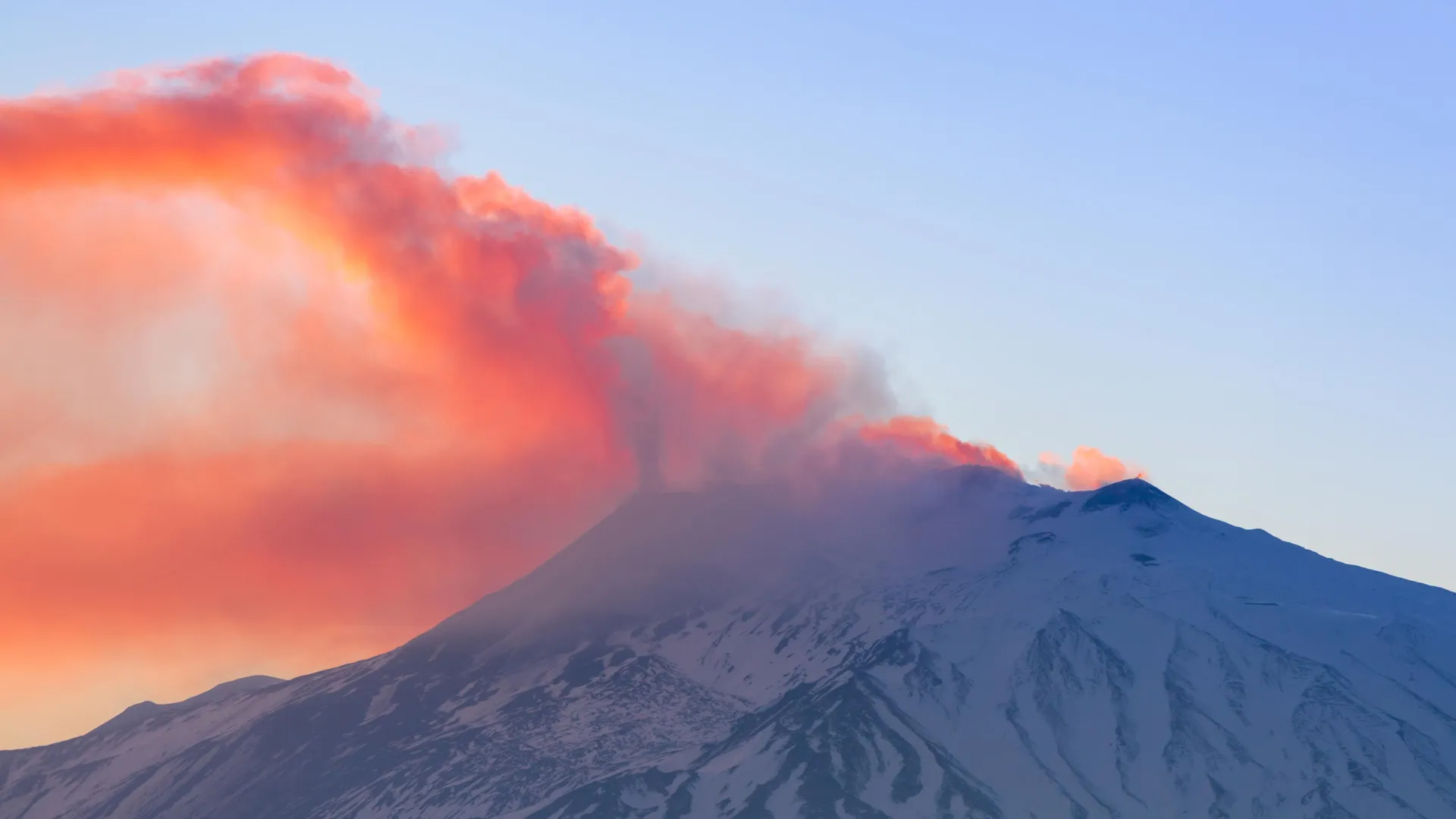
Mount Etna may have formed through a volcanic process previously tied only to small undersea eruptions, according to researchers at the University of Lausanne. The finding matters because Etna is Europe’s most active volcano, and its origin has long sat uneasily with standard models of how volcanoes are built.
The study, published in the Journal of Geophysical Research: Solid Earth, argues that Etna could be supplied by magma pockets already present in the upper mantle beneath Sicily. The work was led by Sébastien Pilet of the University of Lausanne and included Anna Rosa Corsaro of the Istituto Nazionale di Geofisica e Vulcanologia in Catania, according to the university.
Etna is more than 500,000 years old and rises more than 3,000 meters above sea level, the University of Lausanne said. It erupts several times a year, but researchers have struggled to explain why its lava chemistry and tectonic setting do not match the usual categories.
Why Etna has been hard to classify
Geologists usually explain volcano formation through three broad mechanisms, according to the University of Lausanne. Magma can form where tectonic plates pull apart, where one plate sinks beneath another at a subduction zone, or where unusually hot mantle material rises in the middle of a plate at a hotspot.
- Plate separation can let mantle rock rise and melt, creating new ocean floor.
- Subduction zones can produce magma as water lowers the melting point of nearby mantle rock.
- Hotspots can build volcanic chains such as Hawaii or La Réunion, according to the university.
Etna sits near a subduction zone, but the University of Lausanne said its lava resembles material more often associated with hotspot volcanoes. Researchers also report that no hotspot has been identified beneath the region.
A magma supply already in place
The research team proposes that Etna is fed by small bodies of magma in the upper mantle roughly 80 kilometers below the surface. In this model, the magma did not form immediately before eruptions but remained stored at depth before tectonic forces helped move it upward.
The University of Lausanne said the collision of the African and Eurasian plates may help push those magma pockets toward the surface. As the plate bends near the subduction zone, cracks can form and give the magma routes into the crust, according to the study.
That process could help explain both Etna’s chemistry and its long record of repeated eruptions, the university said. The researchers also said the work may aid volcanic hazard assessments carried out by INGV scientists in Catania.
A larger version of a rare volcano type
The team links Etna to “petit-spot” volcanoes, a category first identified by Japanese geologists in 2006, according to the University of Lausanne. Those volcanoes are small submarine features thought to tap magma pockets near the top of the mantle, an idea the university said dates to the 1960s.
Pilet said, in the university’s account of the research, that Etna may have formed through a mechanism similar to petit-spot volcanoes. The difference is scale: the university said petit-spot volcanoes are generally small, while Etna is a large stratovolcano more than 3,000 meters high.
To test the idea, the researchers examined rock samples covering about 500,000 years of Etna’s activity, the University of Lausanne said. By comparing the chemical record of the lava with experimental data, they found that Etna’s magma composition stayed relatively stable even as the tectonic setting changed.
The authors say that stability supports the view that Etna draws from pre-existing magma in the upper mantle, with tectonic movement helping control how much reaches the surface. If confirmed, the University of Lausanne said the model could broaden how scientists search for similar volcanic processes elsewhere.
This story draws on original reporting from ScienceDaily.