
Monsoon reaches Mumbai as India’s seasonal rainfall stays below normal
India’s monsoon has pushed into Mumbai, but weather data show national rainfall remains 43% below the seasonal norm so far.
By Lucas Ferreira · Science & Environment Writer
3 min read
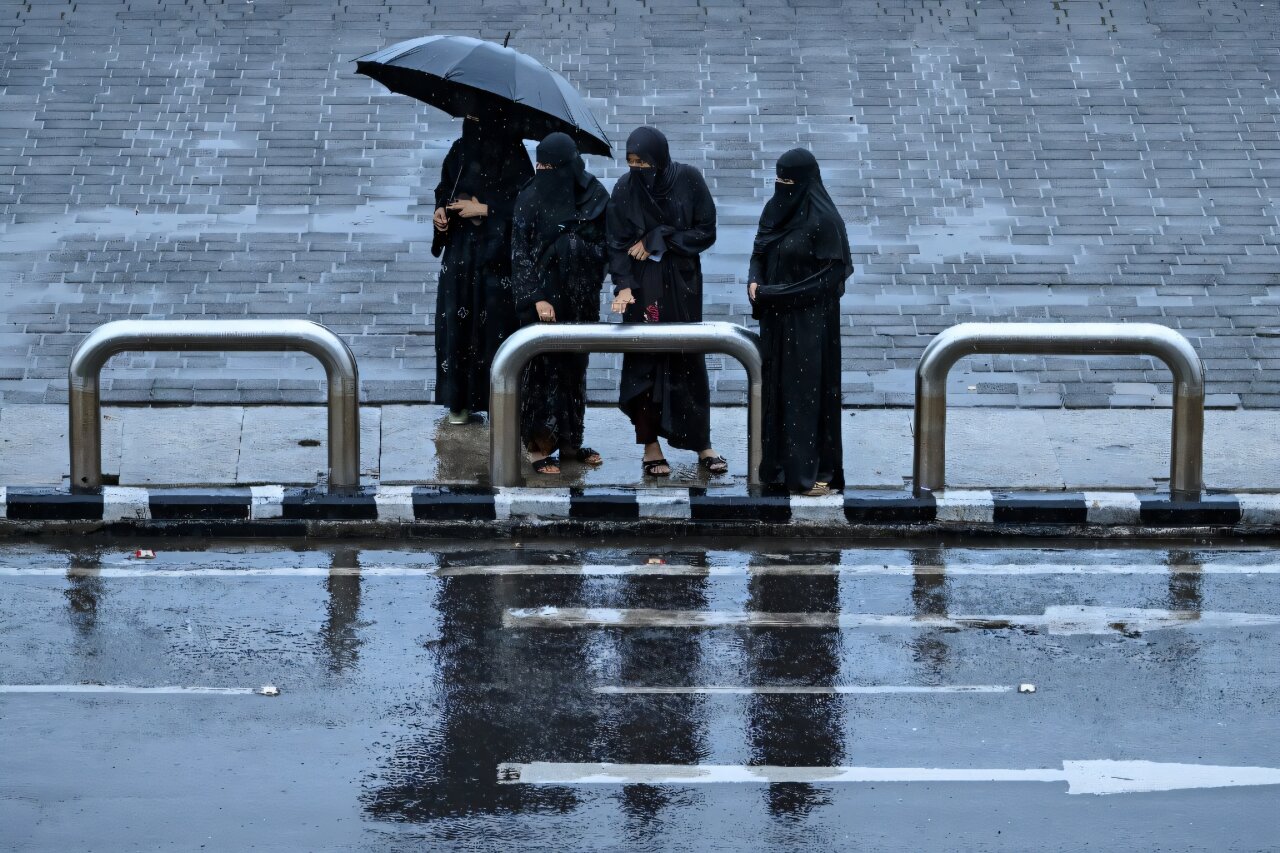
Monsoon rains reached Mumbai on Tuesday after weeks of severe heat, bringing relief to India’s financial hub while national rainfall remained well short of normal levels. The shortfall matters because India depends on the June-to-September monsoon for farming, water supplies and parts of its economy.
India had recorded 60.6 millimeters of rain by Monday, 43% below the usual amount for this stage of the season, according to the India Meteorological Department. AFP reported that the arrival of rain in Mumbai cooled conditions for many of the city’s 22 million residents, though some suburbs saw only light drizzle.
The India Meteorological Department said the southwest monsoon had advanced into the rest of the central Arabian Sea and into more areas of Maharashtra, including Mumbai. The monsoon typically moves north over several weeks, delivering the rain farmers need to sow crops.
AFP reported that concern over a weak monsoon has grown among farmers and policymakers. Hundreds of millions of people in India rely on the seasonal rains, which help sustain agriculture and industry.
Authorities in Mumbai imposed water-use restrictions last week, according to AFP. The measures reduced supplies to swimming pools and construction sites as the city faced concerns over shortages.
Some Mumbai residents slept on beaches to escape hot nights, AFP reported. Many people in the densely populated city live without air conditioning, making extended heat more difficult to bear.
El Niño adds to rainfall worries
Climate change is making India hotter and altering weather patterns, AFP reported. Officials have also warned that the El Niño weather pattern this year could suppress rainfall.
El Niño is a natural climate cycle that changes winds, air pressure and rainfall around the world. AFP reported that it commonly brings drier conditions to India and Southeast Asia.
The annual monsoon functions as a vast sea breeze and supplies South Asia with 70% to 80% of its yearly rainfall between June and September, according to AFP. In India, that rainfall is especially important for agriculture, a sector that supports 45% of the population.
Agriculture Minister Shivraj Chouhan said the government has prepared a contingency plan for 315 vulnerable districts to help farmers cope with potentially low rainfall linked to El Niño. In a statement, he said water conservation should receive the highest priority.
“Every drop of water is precious and planning is being carried out with that objective,” Chouhan said.
Chouhan said the plan includes urgent work to repair and strengthen reservoirs, ponds, streams and dams. The measures are aimed at preserving water as officials watch the progress of the monsoon across the country.
AFP reported that the previous El Niño contributed to 2023 and 2024 becoming the two hottest years on record. India’s rainfall deficit so far this season has kept attention on whether the monsoon will recover enough to ease pressure on farms, reservoirs and cities.
This story draws on original reporting from Phys.org.