
Mindanao quake lifts seabed into new shoreline
A 7.8-magnitude earthquake in the southern Philippines killed at least 76 people and permanently raised parts of Mindanao’s coast, officials said.
By Priya Raghavan · Science Reporter
3 min read
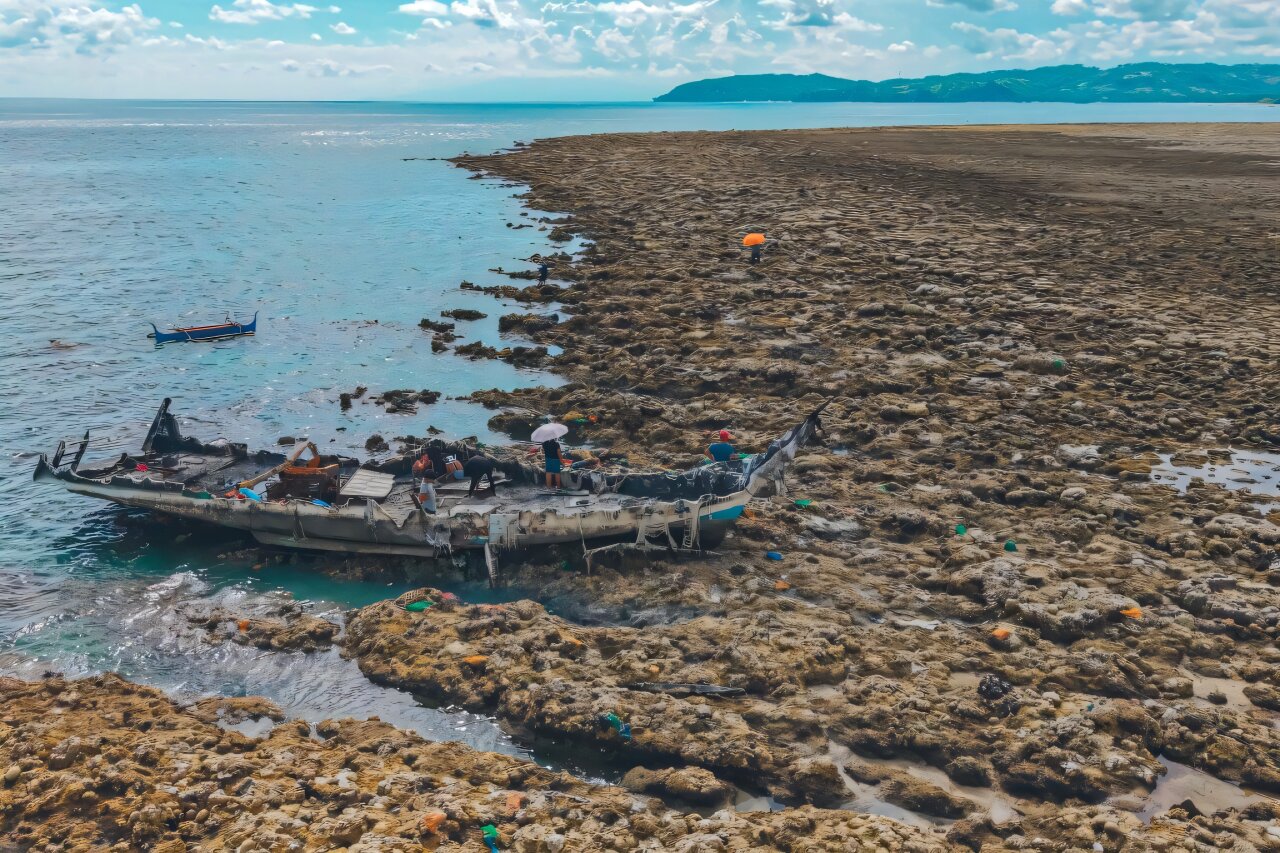
A deadly earthquake in the southern Philippines has pushed parts of the seabed above water, changing the coast of Mindanao and stranding boats behind newly exposed coral. The June 8 magnitude 7.8 quake killed at least 76 people, damaged buildings and set off landslides, AFP reported.
Philippine seismology officials told AFP the event was caused by movement along the nearby Cotabato Trench, a seismically active zone off Mindanao. The same forces lifted sections of shoreline in Sarangani province in what scientists call coastal uplift.
Nane Danlag of the Philippines’ seismology center told AFP from General Santos City that residents are now looking at a permanent new coast. Initial assessments found the seabed rose about 2 meters, extending the shore by as much as 200 meters in some areas, Danlag said.
Danlag said the affected stretch runs between two towns nearly 100 kilometers apart. She described the uplift as part of natural crustal movement that has occurred over long periods of geological time.
AFP reporters who visited the area saw fishing boats left inland from the water’s edge, blocked by jagged coral that had been underwater before the quake. The exposed coral was dead or dying, and residents described fish floating after the water repeatedly pulled back and returned.
Arsenio Butil Jr., a fisherman and pastor in Glan, told AFP the June 8 quake was the strongest he had experienced. He said people panicked as the shoreline changed and the sea retreated several times.
The Cotabato Trench lies as close as 50 kilometers off Mindanao, according to AFP. It has produced frequent seismic activity, including thousands of mostly small tremors recorded in January. A United Nations disaster risk reduction report released in mid-May said that activity could precede a larger earthquake, AFP reported.
Evacuees fear the sea
In hills above a nearby village, about 100 evacuees were still staying in a temporary encampment when AFP visited. Datu Atom Malimpnig, a Maguindanaon chieftain, told AFP that fishermen and their families were reluctant to return to destroyed homes because they feared another dangerous surge from the sea.
Malimpnig said the raised seabed had changed how the community viewed the coast. Aid workers were distributing rice porridge to displaced residents at the site, AFP reported.
The altered shoreline is also affecting local businesses. Edzel Baylon, a staff member at the Isla Jardin del Mar resort, told AFP the sea had become too shallow for swimming in front of a property that depended on beach tourism.
The Philippines’ seismology agency has recorded more than 8,500 aftershocks since the June 8 quake, according to AFP. In Glan, Butil said residents were considering what to do next but were not ready to rebuild homes on cracked ground. AFP reported that a magnitude 5.4 tremor shook the area shortly afterward.
This story draws on original reporting from Phys.org.