
Migrating young neurons can fracture and repair their DNA
Kyoto University researchers report that developing neurons incur DNA breaks as they squeeze through tight brain tissue, then usually repair the damage quickly.
By Tom Brennan · Health & Medicine Correspondent
3 min read
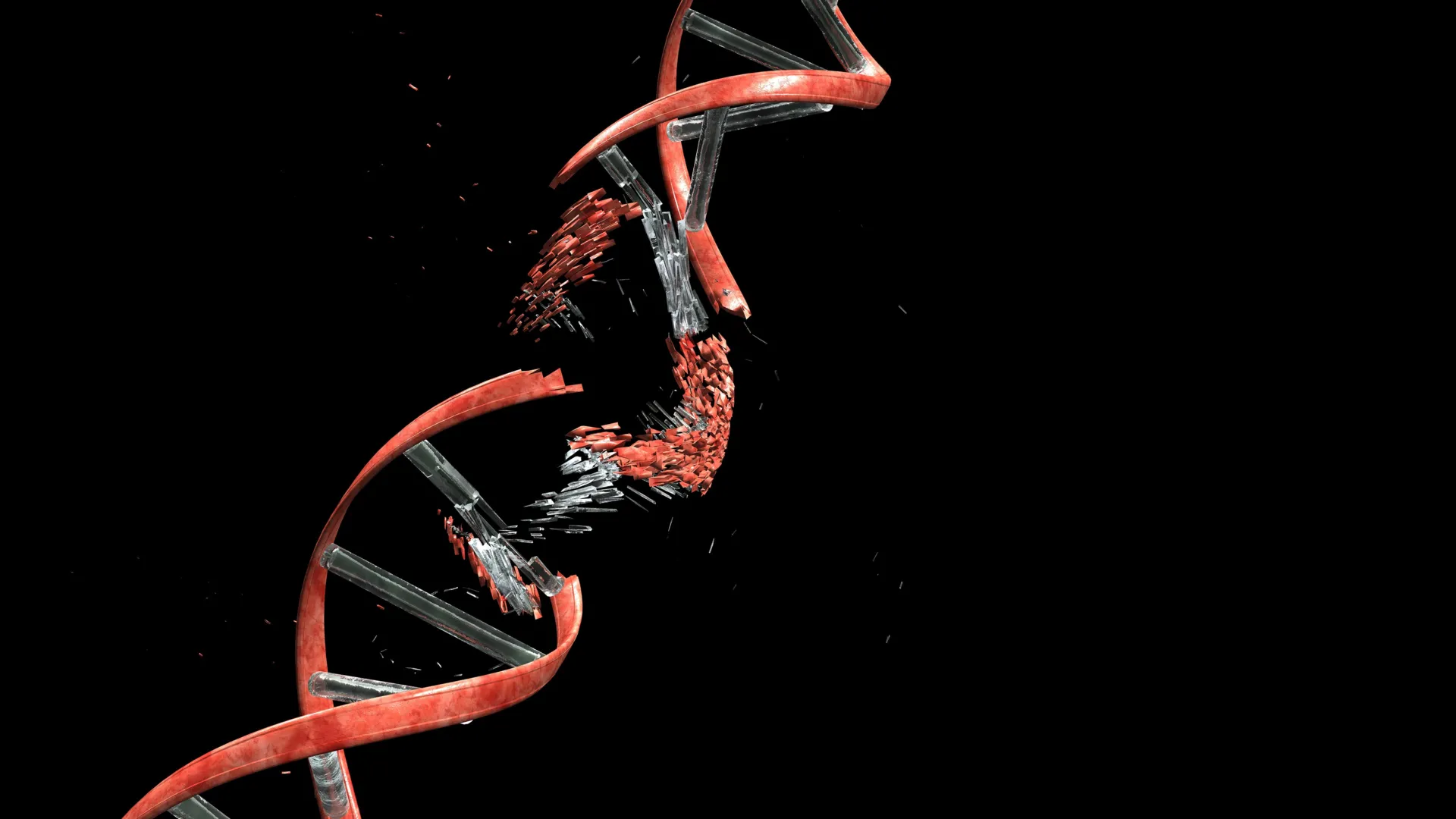
New research reports that young neurons can suffer serious DNA breaks while moving through the developing brain, a process the cells usually survive by repairing the damage quickly. The finding matters because it links the physical act of building brain circuits to genome damage and repair, with possible implications for neurological disease.
Kyoto University said researchers at its Institute for Integrated Cell-Material Sciences and partner institutions found that newborn neurons develop double-strand DNA breaks as they migrate toward the cerebral cortex. The study, published in Nature, describes double-strand breaks as a severe form of damage in which both strands of DNA are cut.
According to Kyoto University, these breaks appeared during a normal step in brain development. Newly generated neurons must pass through dense tissue, squeezing between fibers and nearby cells before settling into the cortex, where they join neural communication networks.
Professor Mineko Kengaku of WPI-iCeMS, who led the work, said the developing brain seems equipped to withstand and fix this kind of neuronal injury efficiently. Kengaku said learning where that capacity fails could help researchers understand neurological conditions.
How the damage was observed
To test the effect of tight spaces on migrating neurons, the research team used tiny microchannels that Kyoto University said were designed to resemble the confined routes found in developing brain tissue. The scientists tracked the cells with fluorescent markers as they moved through the channels.
Kyoto University said the markers showed double-strand breaks emerging during the cells’ passage through the narrow channels. After the neurons came out, the DNA damage faded over time, with most breaks repaired within 24 hours, and the cells continued to function normally, according to the university.
The researchers traced the damage to Topoisomerase IIβ, an enzyme that helps manage tension in DNA. Kyoto University said the enzyme normally makes temporary cuts so DNA can relieve twisting stress and then reconnects the strands.
Under mechanical stress, however, the enzyme can become stuck during that cut-and-reseal process, leaving DNA ends broken, according to the study summary from Kyoto University. The cells then rely on a repair pathway known as non-homologous end joining to reconnect the DNA.
Why neurons survived
The team compared the neuronal damage with damage seen in some cancer cells moving through the same microchannels, Kyoto University said. In cancer cells, the university said, DNA damage was more randomly distributed and could interfere with cell activity or contribute to cell death.
In neurons, the breaks were concentrated mainly in parts of the genome that were not carrying out critical gene functions, according to Kyoto University. The researchers said that pattern may help explain why the neurons kept working while the damage was being repaired.
The study also examined what happens when repair is impaired. Kyoto University said researchers engineered mice whose newly formed cerebellar neurons lacked Ligase 4, an enzyme needed to fix DNA breaks.
Those mice developed without obvious early problems, according to Kyoto University. As adults, however, they developed mild balance issues that worsened gradually, resembling symptoms associated with some human genome-instability disorders that affect the cerebellum.
Kengaku said the findings change how researchers think about the neuronal genome. She said neurons begin with the same DNA, but mechanical stress, DNA damage and repair may create small genetic differences among individual neurons.
The study was carried out by researchers from Kyoto University, the University of Tokyo, the University of Osaka, the National University of Singapore and the Tokyo Metropolitan Institute of Medical Science. The paper is titled “Confined migration induces non-lethal DNA damage in developing neurons.”
This story draws on original reporting from ScienceDaily.