
Bumblebees found carrying far more toxic metals than honeybees
Cambridge researchers say bumblebees collected much higher metal levels than honeybees foraging in the same rural area.
By Priya Raghavan · Science Reporter
3 min read
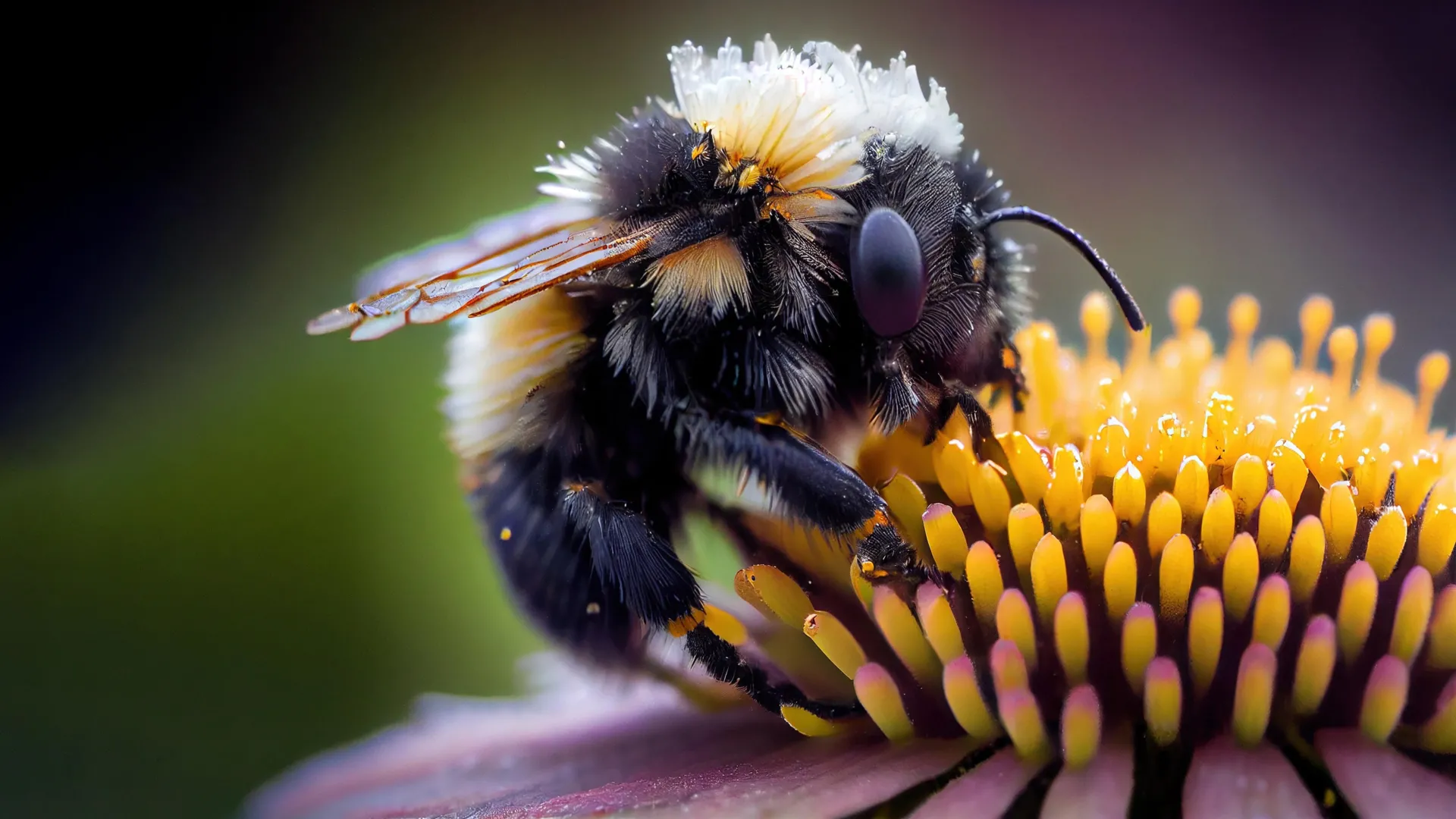
Bumblebees can carry much higher loads of toxic heavy metals than honeybees even when the two species feed in the same area, according to new University of Cambridge research. The finding matters because metal exposure that does not kill bees outright can still harm foraging, reproduction and colony health, the researchers said.
The study, published in Ecological Entomology, compared honeybee and bumblebee colonies placed side by side in Cambridgeshire, England, an area the university described as generally low in soil contamination. Researchers measured arsenic, cadmium, chromium, cobalt, lead and tin in pollen and in adult bees.
Cambridge said pollen gathered by bumblebees contained two to seven times as much heavy metal as pollen gathered by honeybees for most of the elements studied. Bumblebees also had about three times the concentrations of heavy metals in their bodies, according to the university.
Pollution risk beyond industrial sites
Heavy metal contamination is often associated with mines, factories, towns and cities. The University of Cambridge said metals can also reach rural areas through airborne pollution, sewage sludge, fertilizers and other farm products.
Bees can pick up metals while collecting nectar and pollen, and through contact with dust, soil and contaminated plant material, according to the researchers. Cambridge said earlier studies have associated metal exposure with poorer learning and memory in bees, reduced reproductive success, fewer offspring and problems in brood development.
Sarah Scott, who carried out the work while at Cambridge and is now at Newcastle University, said the metal amounts detected were mostly below levels expected to kill bees. She said lower exposure can still damage colony success by affecting bees’ ability to find food and reproduce.
Species differences may shape exposure
The researchers said biology and feeding behavior may help explain why bumblebees collected more metals. Honeybees usually nest above ground in managed hives or hollow trees, while bumblebees commonly nest underground in soil or leaf litter, according to Cambridge.
Colony size also differs sharply. Cambridge said honeybee colonies commonly have 30,000 to 60,000 bees, while bumblebee colonies usually contain 50 to 500 individuals. Lynn Dicks, the study’s senior author in Cambridge’s Department of Zoology, said the loss of workers can therefore have a larger effect on bumblebee colony function.
The two bee groups also use flowers differently, according to the study. Cambridge said flower choice can depend on nutrition, body size, tongue length and feeding habits, and some plants take up more metals than others.
Honeybees collect pollen from many flower species, which may spread contamination across a broader diet, the researchers said. Bumblebees collect smaller amounts from fewer plant species, making their exposure more dependent on the metal levels in those plants.
Foraging range may add another difference. Cambridge said honeybees can travel up to 10 kilometers from a colony, while bumblebees usually forage within about 1.5 kilometers of their nests. The university said honeybees’ larger workforce may also help colonies use wider areas and avoid localized contamination.
The researchers said bumblebees’ hairier bodies may collect more dust and airborne particles containing heavy metals, which can then be carried back with pollen. They said the findings show that honeybees may not fully represent exposure risks for other bee species when used as environmental indicators.
Cambridge said the results should not discourage people from planting flowers for pollinators. Scott said bees still need food, including in places where plants may contain traces of heavy metals. The research was funded by the Royal Society.
This story draws on original reporting from ScienceDaily.